The Payette National Forest released a Final Environmental Impact Statement and Draft Record of Decision for a controversial gold mine located in the headwaters of Idaho’s Salmon River. The draft documents will undergo a 45-day public review for what the U.S. Forest Service is calling a “pre-decisional objection period.”
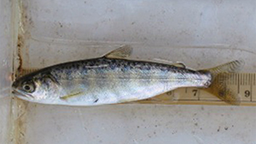
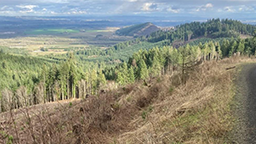
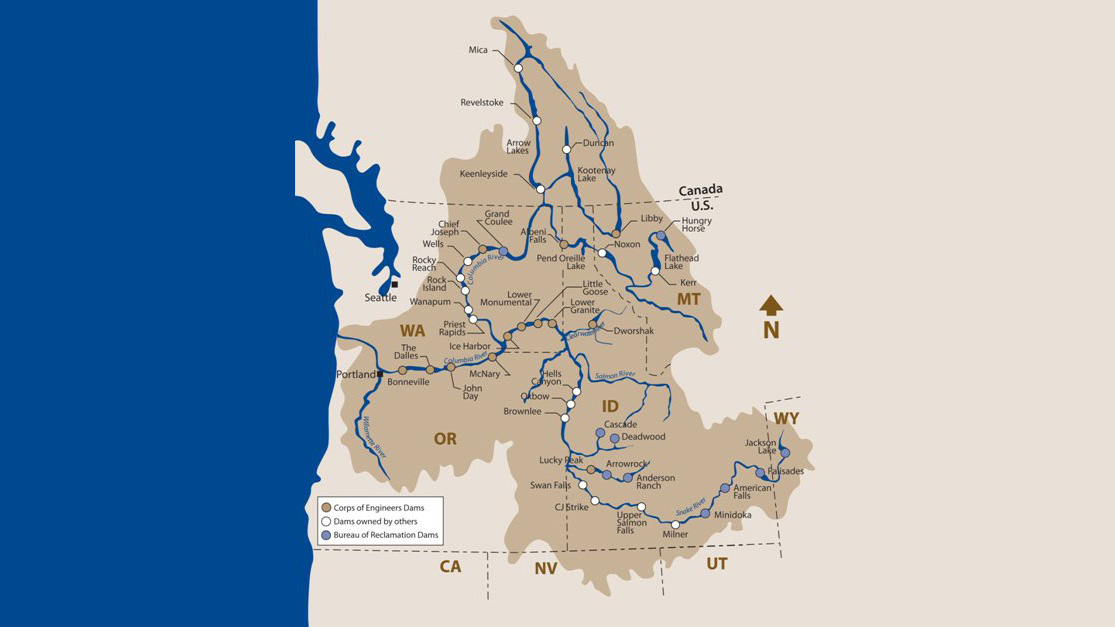
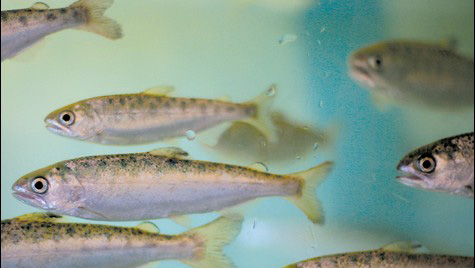
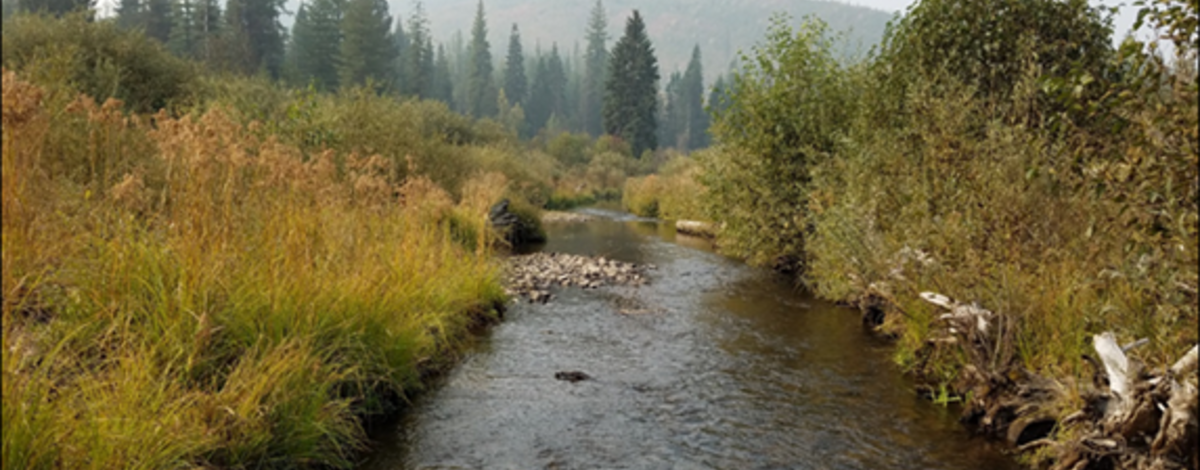
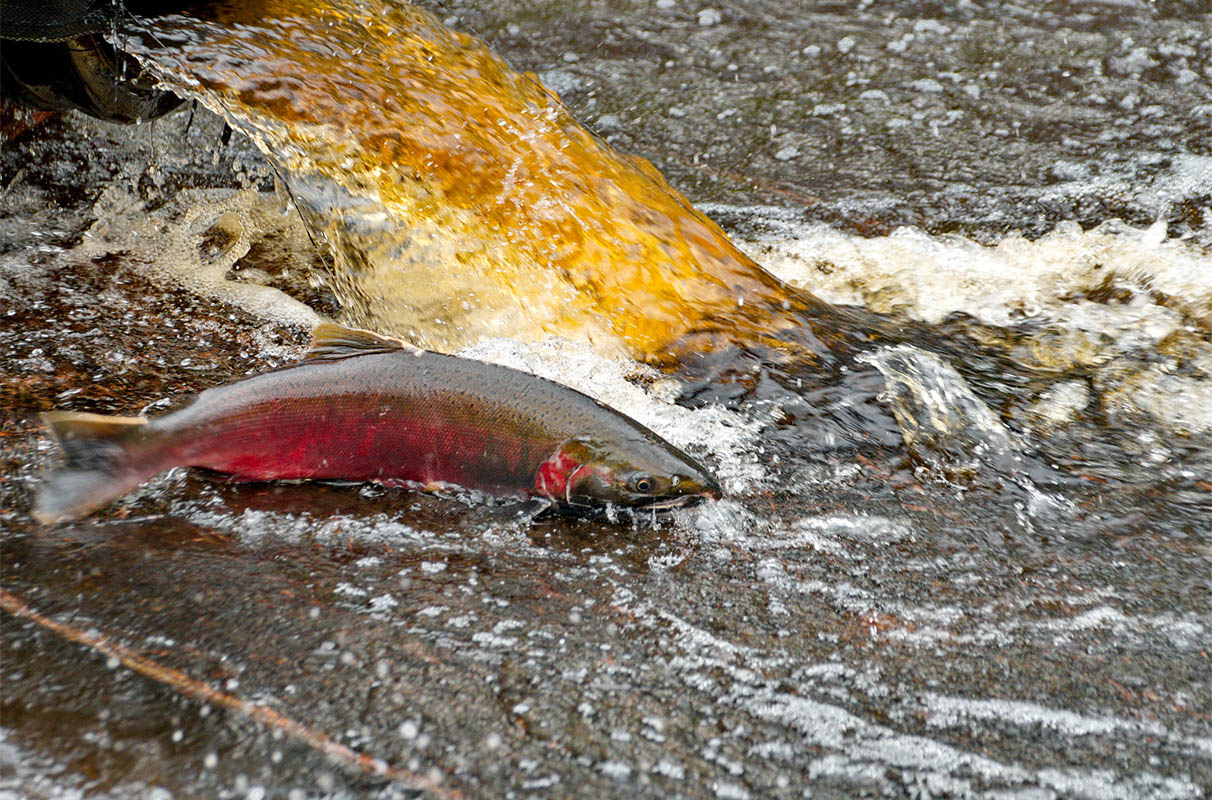
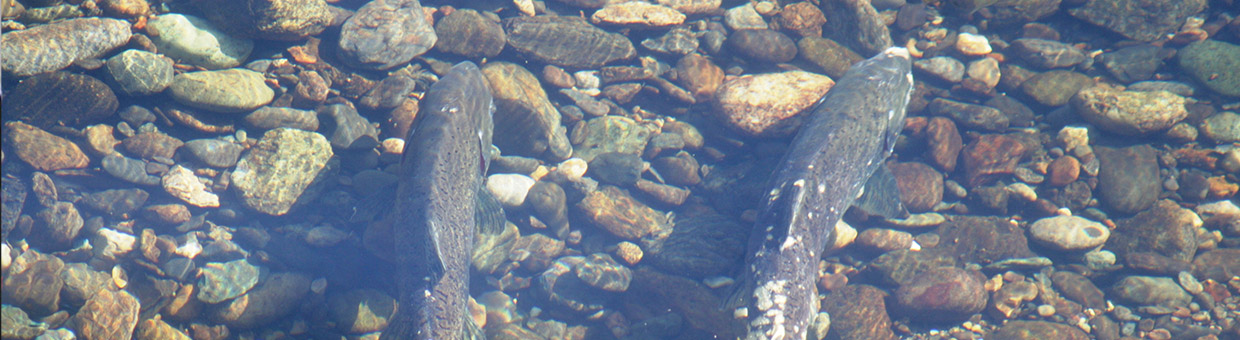
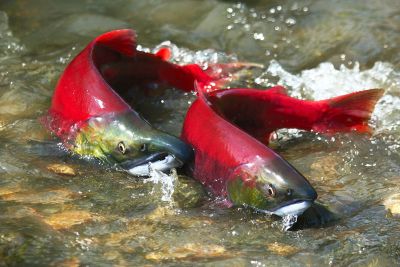
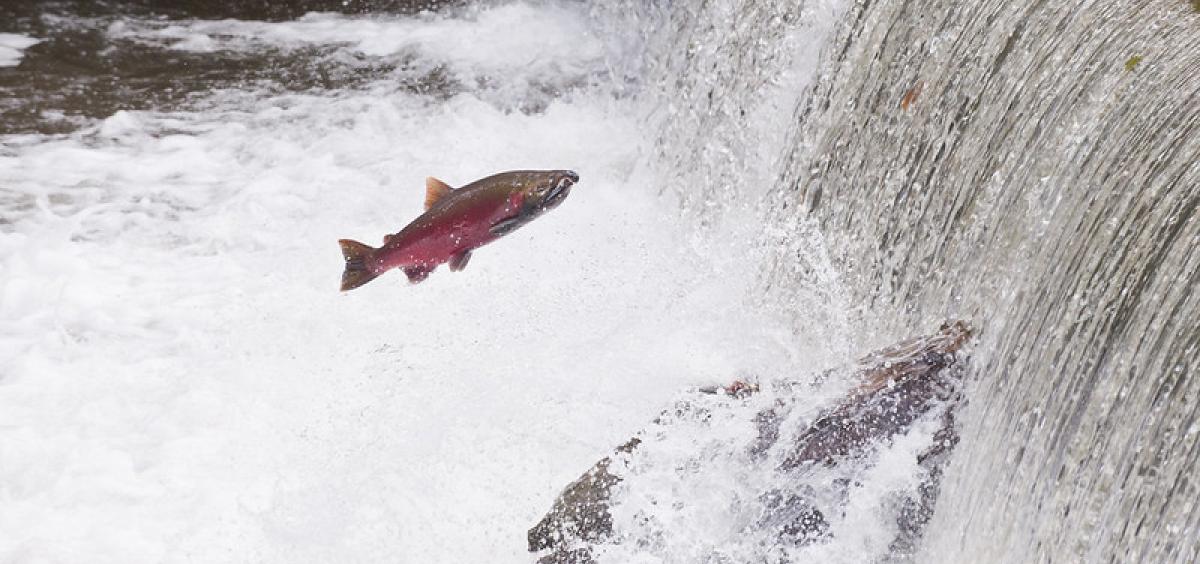
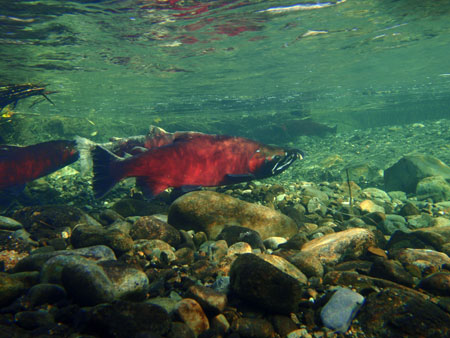
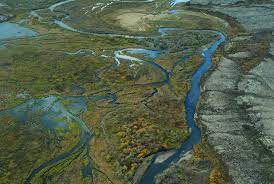
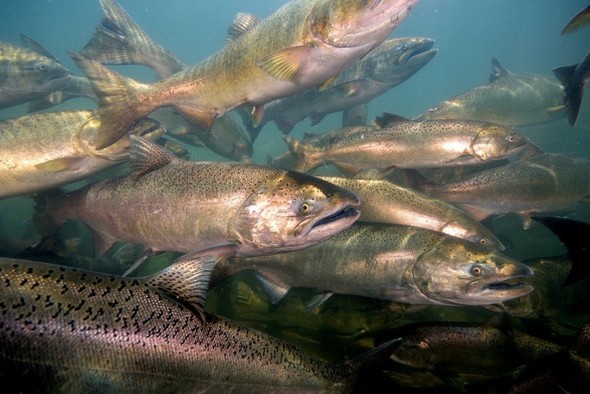
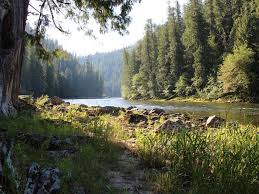
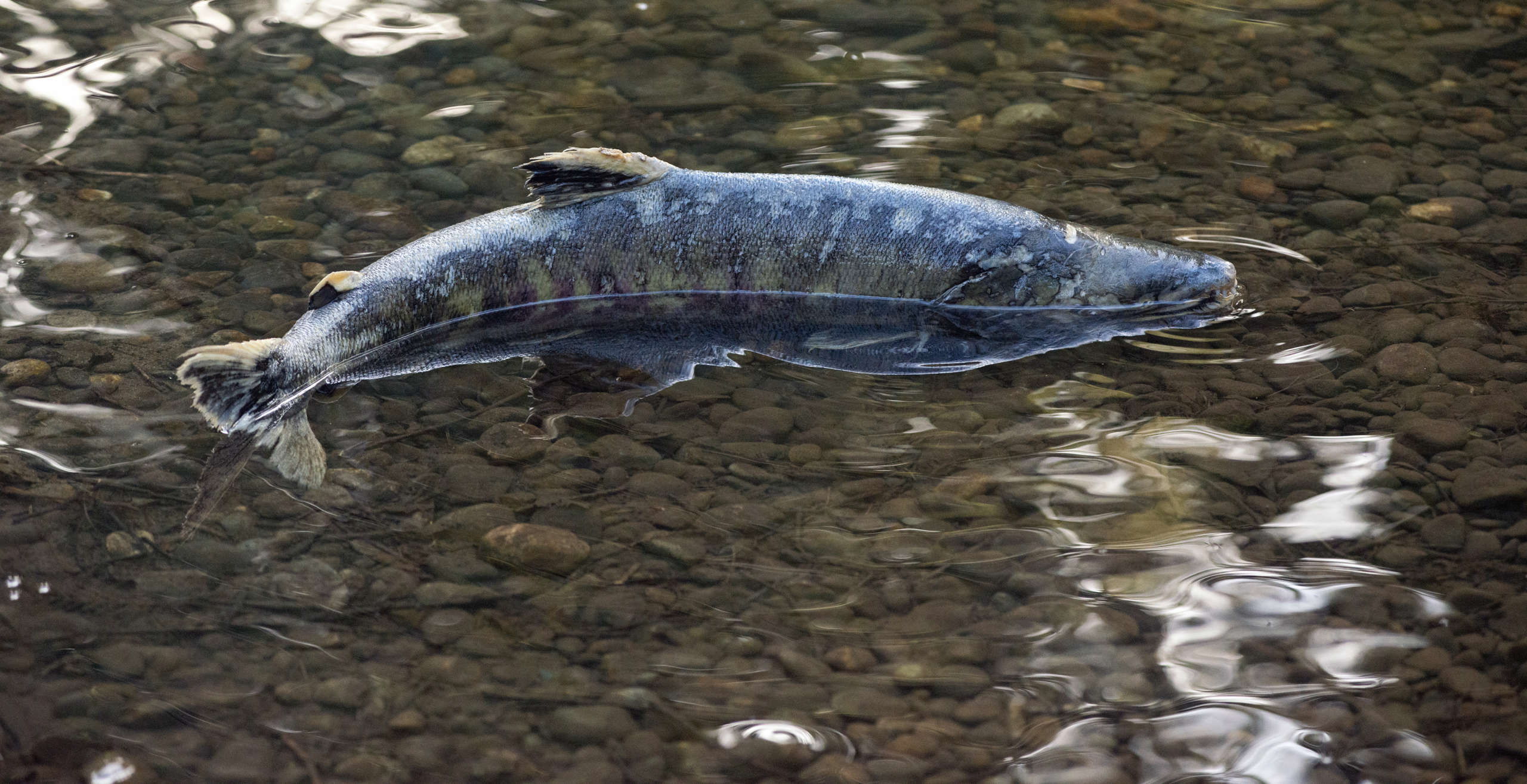
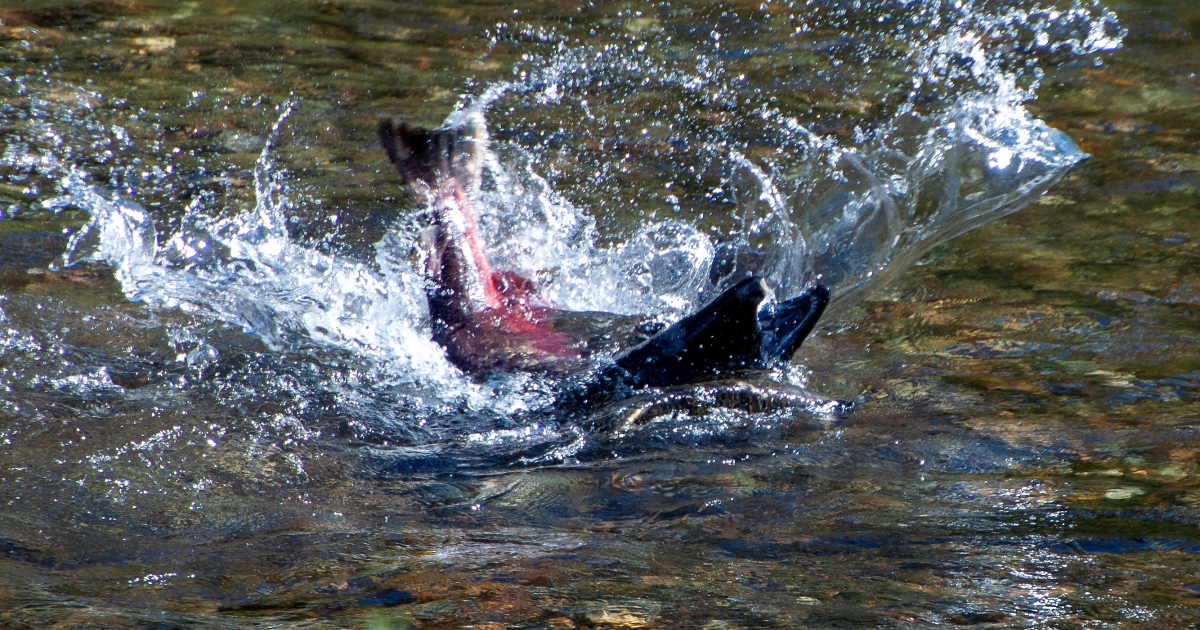
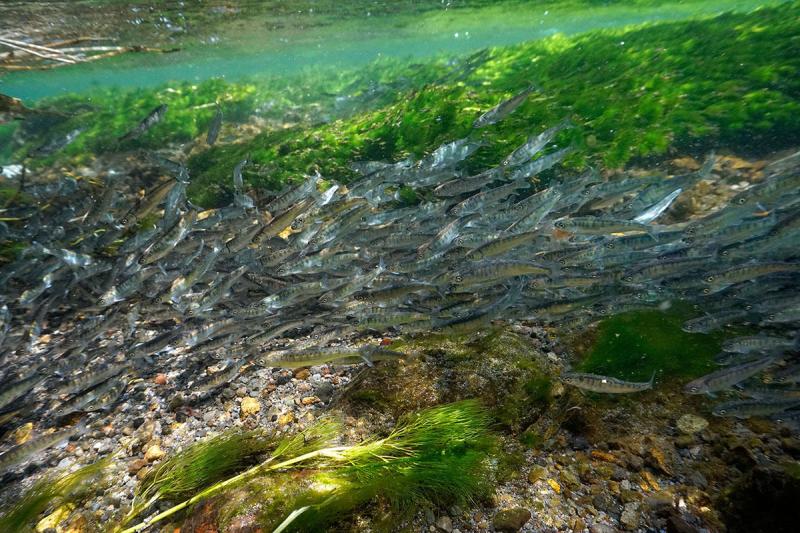
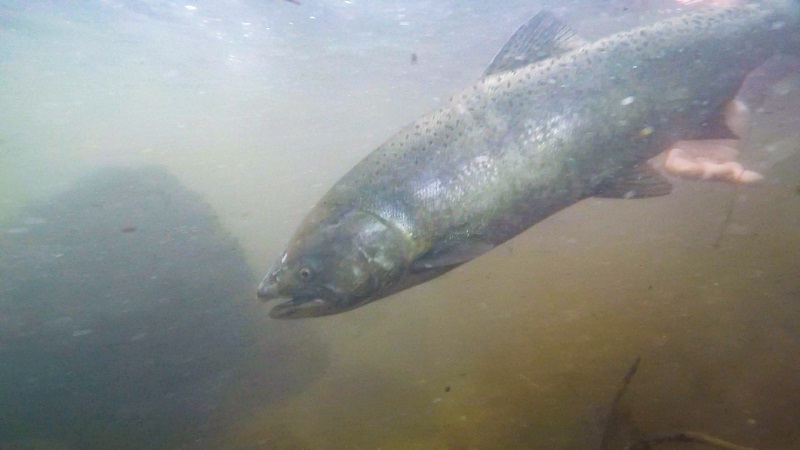
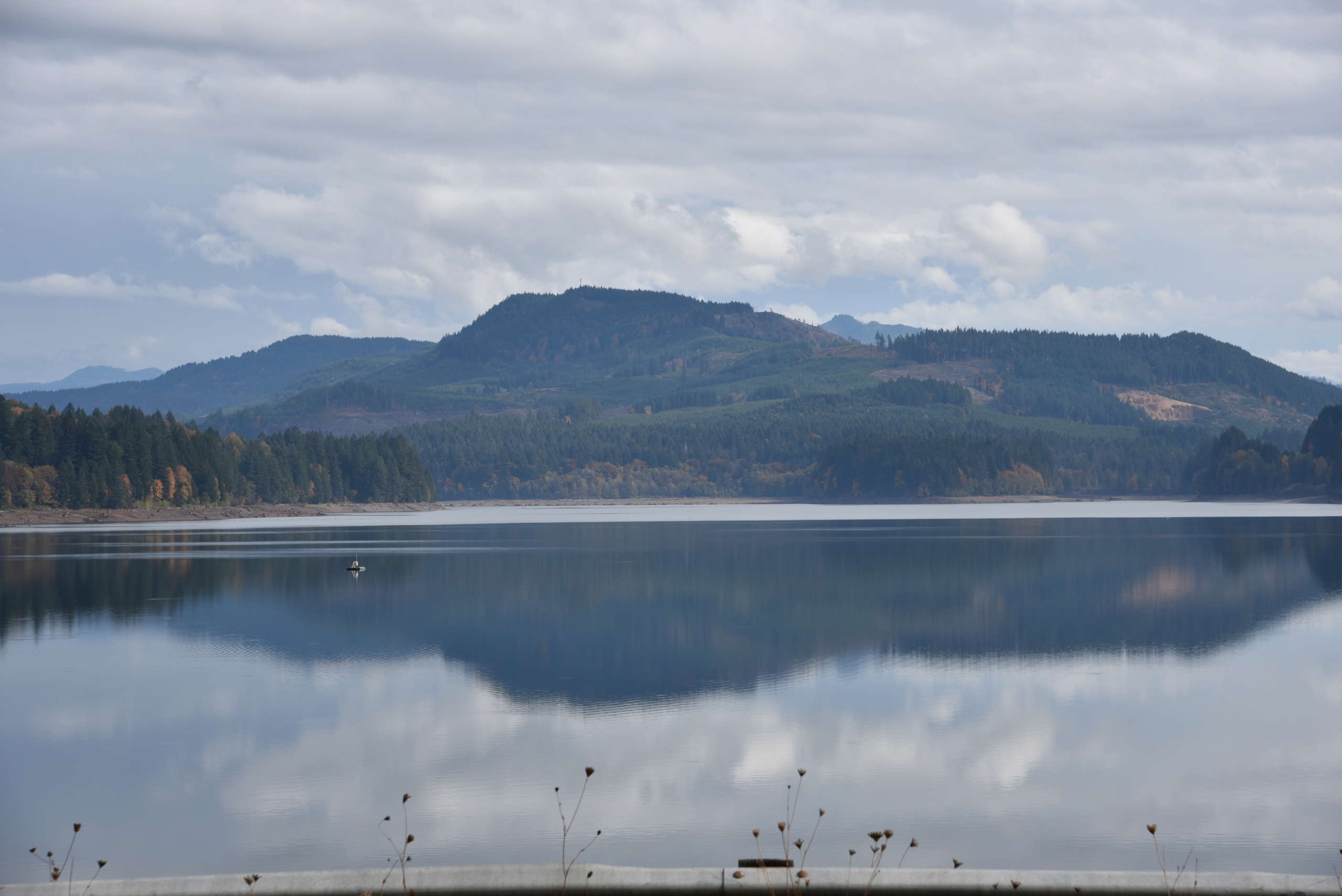
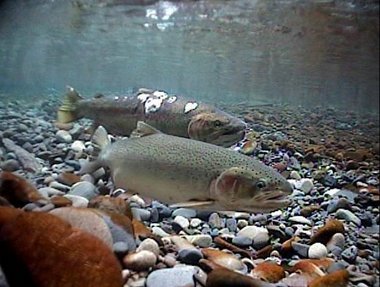
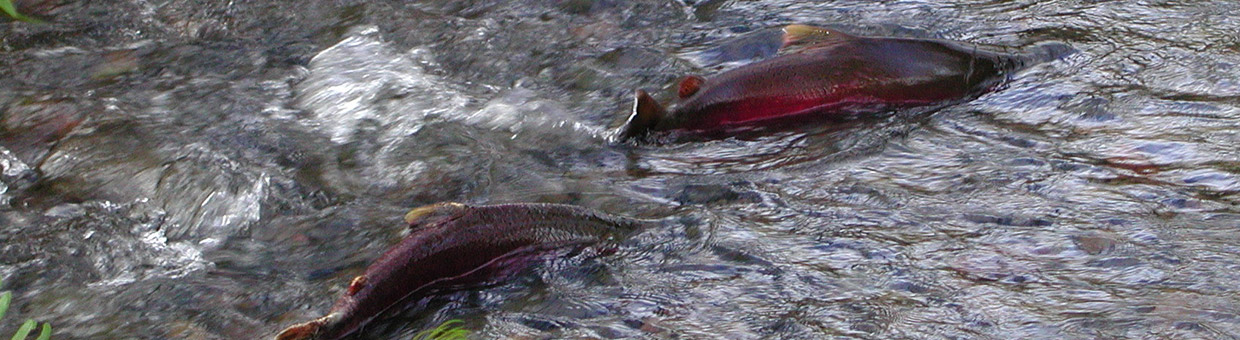
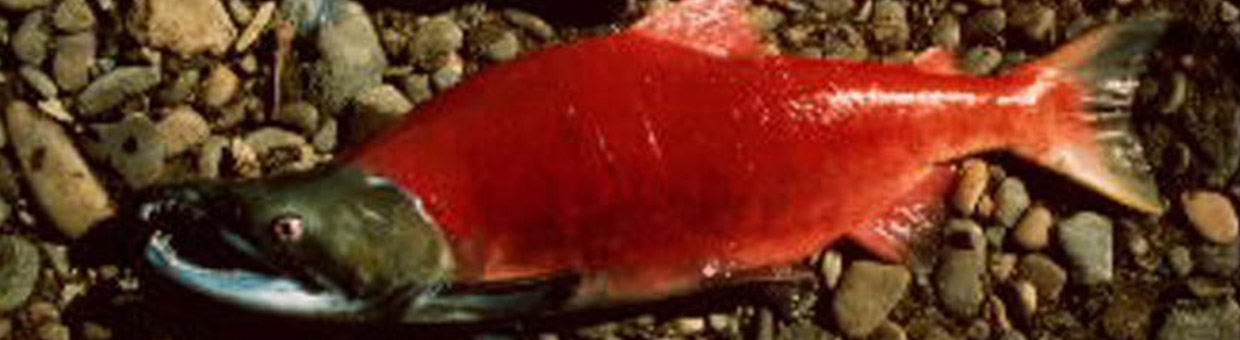
The Stibnite Gold Project is a massive gold mine proposed in the headwaters of the East Fork of the South Fork Salmon River adjacent to the Frank Church River of No Return Wilderness Area. The South Fork Salmon River contains some of the most important remaining habitat for summer chinook salmon in the Columbia River basin. The fish were once the largest, most valuable segment of the world’s largest runs of chinook salmon.
Opposing the FEIS and draft ROD, both released by the Forest Service, Sept. 6, is a coalition of local and national conservation groups. They said the planned open-pit cyanide vat leach gold mine would jeopardize public health and clean water, harm threatened species, violate Indigenous treaty rights, and permanently scar thousands of acres of public land in the headwaters of the South Fork Salmon River.
“The Stibnite Gold Project risks irreversible harm to one of the nation’s most cherished and ecologically important river ecosystems. Given the extraordinary scale and location of the proposed development, it’s unacceptable that the FEIS only considers the mine applicant’s proposed mine plan and a no-action alternative,” said Zack Waterman, Northern Rockies Conservation Director for American Rivers.
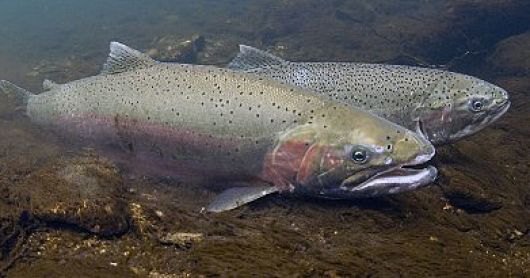
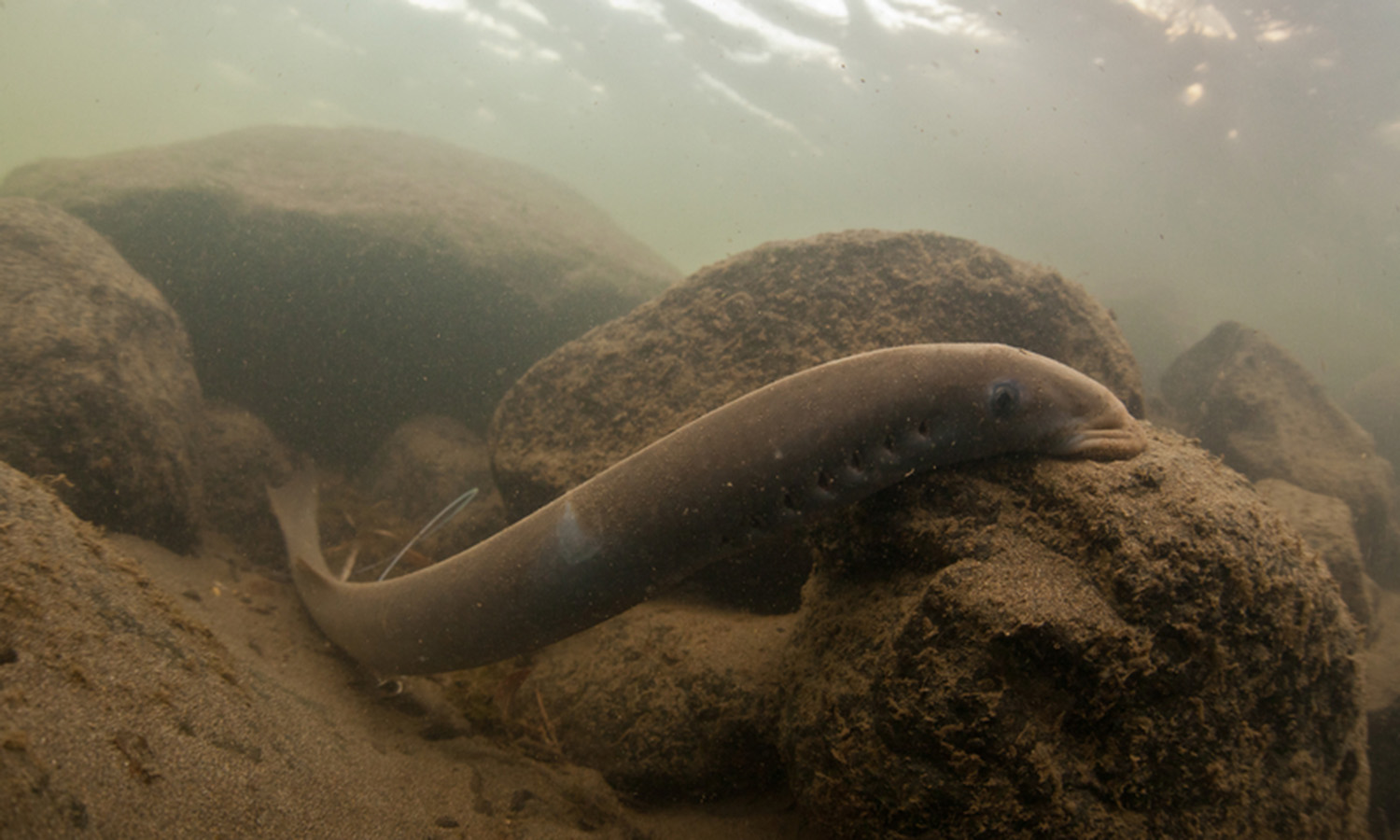
The National Marine Fisheries Service has designated the area where the mine would be located as critical habitat for chinook salmon. Within critical habitat, an agency must avoid actions that destroy or adversely modify that critical habitat. The East Fork Salmon River provides critical habitat for three species listed under the Endangered Species Act — chinook salmon, steelhead, and bull trout.
The FEIS analyzes the potential environmental effects of the mining operation as proposed by Perpetua Resources. The Draft ROD outlines the Forest Service’s decision to authorize the 2021 Modified Mine Plan and to approve a special use authorization for transmission line upgrades and installation of a new power transmission line with supporting infrastructure, the Forest Service says. The decision approves project-specific plan amendments to the 2003 Payette National Forest Land and Resource Management Plan and the 2010 Boise National Forest Land and Resource Management Plan as amended.
“As an agency with a multiple-use mission, we balance the demand for mineral extraction and the related social and economic benefits with our commitment to environmental stewardship and sustainability,” said Kevin Knesek, deputy forest supervisor for the Payette National Forest. “The Forest Service is required by regulation to consider mining plans of operations on our public lands open to locatable mineral extraction, ensure the plans comply with environmental regulations, and minimize adverse impacts to the extent feasible.
“This project is complex, and the impacts were rigorously analyzed over the past seven years,” Knesek continued. “Projects of this scale and type present unique challenges, and that is particularly true as it relates to tribal interests, whether those interests be treaty-related or connected to cultural use and identity. Only through meaningful consultation can the Forest Service seek to understand these concerns and be responsive to them, and I am grateful for the tribal input we’ve received. I would like to thank the many individuals and stakeholders who contributed to this analysis. Whether it be our cooperating agencies who met regularly with us throughout this process, or the thousands of individuals who took the time to comment on draft versions during the comment periods; in all cases that engagement contributed in a meaningful way, and our analysis is better for it. The Final Environmental Impact Statement and resulting Draft Record of Decision include numerous changes and mitigation measures that seek to minimize the environmental effects from the mining operations.”
The project will produce gold, as well as antinomy. The mine would be the only reserve of the element within the United States, according to Perpetua Resources, the mine’s owner. It would be a 20-year project with three open pits totaling 510 acres. The project footprint would disturb or impact 3,423 acres.
“We believe that the Stibnite Gold Project is a win-win-win,” said Jon Cherry, President and CEO of Perpetua Resources. “It’s a win for Idaho, it’s a win for the environment, and it’s a win for America’s national security. Our independence from Chinese control over antimony is right here in our backyard, and Perpetua Resources is honored to provide a critical part of the solution to the United States’ strategic need for antimony, while also delivering an economically robust gold mine that will create new jobs in Idaho. It’s time for the Stibnite Gold Project to help secure our future.”
Perpetua expects to mine an estimated 4.8 million ounces of gold reserves (over 450,000 ounces of gold annually over the first four years). As a by-product of gold production, the Project has a reserve of 148 million pounds of antimony, which the company says is “essential for national defense, clean energy and technology applications, yet no domestically mined supply currently exists.”
Antimony is a semi-metal used in the electronics industry to make some semiconductor devices, such as infrared detectors and diodes. It is alloyed with lead or other metals to improve their hardness and strength.
Perpetua says its gold mine has undergone a rigorous multi-year, science-based review process that balances environmental outcomes, community and national interest and project economics. The company says the process includes:
— 14 years of scientific study, community engagement, and engineering (2010-2024);
— 8 years in the National Environmental Policy Act (“NEPA”) permitting process (2016-2024); and
— 150 days of formal public comment in which 28,000 letters were received, with approximately 85% expressing support for the Project.
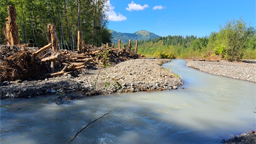
The conservation groups say the Modified Mine Plan doubles the size of the existing disturbance and would excavate three open-pit mines. The proposed Yellow Pine pit would extend more than 700 feet beneath the riverbed of the East Fork South Fork Salmon River, requiring the river to be rerouted through a concrete tunnel during mining activities until the pit is eventually backfilled with mine waste. The project also requires constructing an industrial ore-processing facility, burying pristine bull trout habitat beneath 100 million tons of toxic mine tailings, building miles of new access roads and electrical transmission lines through inventoried roadless areas, and providing on-site housing and services for hundreds of workers, the conservation groups say.
“This decision is a grave disservice to the hundreds of people who voiced concerns about the cyanide vat leach mine, and it appears that the Forest Service has not made any substantive changes to the project,” said John Robison of the Idaho Conservation League. “The plan still involves excavating three massive open pits, punching in a road through three roadless areas and along the boundary of the Frank Church River of Return Wilderness, and filling Meadow Creek with toxic mine waste.”
Nick Kunath, Conservation Director at Idaho Rivers United, said the groups are worried about the rising temperatures in the watersheds that are home to federal ESA-listed salmon, steelhead, and bull trout.
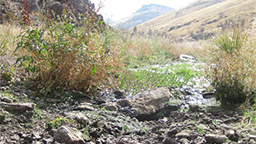
“We know that stream flows in the EFSF watershed will be reduced by up to 30 percent, and the removal of riparian shading will increase predicted stream temperatures by up to 6.6° C for up to 100 years. None of which accounts for the additional impacts of climate change,” Kunath said.
In 2022, the Nez Perce Tribe along with the Idaho Conservation League and Save the South Fork Salmon, filed a petition with the Idaho Department of Environmental Quality which had just issued a favorable air quality permit. The petition says IDEQ’s air permit violated the federal Clean Air Act and state laws aimed at safeguarding human health, safety and the environment. The air permit, they said, authorizes the company to emit large quantities of dust—including particulate matter and arsenic—generated by mining, hauling and processing ore, while failing to include basic monitoring and other safeguards to ensure air pollution levels remain safe.
The mine would be within the Tribe’s aboriginal homeland where the Tribe has treaty-reserved rights and natural resources, cultural resources and sacred sites. In 2018, the Tribe issued a resolution opposing the proposed mining project based on its affirmative threats to the Tribe’s rights and interests in the mine area and to the livelihood, health and socio-economic well-being of Tribal members, surrounding communities and future generations.
“Perpetua is presently involved in three legal challenges to its air quality permit, water rights application, and 401 water quality certification. All three of these challenges are contesting and highlighting the callousness and indifference with which Perpetua plans to treat the river, the fish, human health, and the land, all under the banner of profits. All of the concerns raised in these challenges are unresolved in the FEIS,” said Mary Faurot Petterson, Save The South Fork Salmon Board member.
By the State of Idaho’s calculations, operations at the proposed mine will also emit millions of pounds of arsenic-laden dust per year posing additional environmental and human health risks for anyone recreating near, or traveling through the mine site, the conservation groups said in a news release.
Perpetua says it will:
— Restore native fish passage, opening miles of pristine spawning habitat that has been inaccessible for 80 years;
— Improve water quality by reprocessing and safely storing legacy tailings, reducing arsenic in rivers on site up to 90%; and
— Restore 450 acres of wetlands for a 63% net increase in wetland acres over existing conditions.
The objection process provides an opportunity for those who have participated in a prior formal public comment period for this project to have their unresolved concerns reviewed before the Forest Supervisor issues a final decision, the Forest Service said. Individuals must have submitted substantive formal comments related to the project during previous comment periods to object unless the issue is based on new information that arose after the opportunities for comment (36 CFR 218.8(c)). Objections will be accepted for 45 days following publication of the legal notice in the Idaho Statesman. Those wishing to submit an objection should not rely upon dates or timeframes provided by any other source.
The FEIS and ROD and information on filing an objection is posted at the project website at https://www.fs.usda.gov/project/payette/?project=50516
Following the 45-day objection period, the Forest Service will evaluate submitted objections and begin a formal 45-day resolution process between objectors and the Reviewing Officer. Following this process, the Forest Service will release a Final ROD for the project, including any modifications made based on objection resolutions. The ROD is expected by the end of this year.
For background, see:
CBB, August 4, 2022, Proposed Open Pit Gold Mining Project In Salmon River Basin Gets First Significant Permit; Nez Perce Tribe, Groups File Challenge, https://columbiabasinbulletin.org/proposed-open-pit-gold-mining-project-in-salmon-river-basin-gets-first-significant-permit-nez-perce-tribe-groups-file-challenge/
CBB, June 13, 2019, Nez Perce Tribe Files Intent-To-Sue Notice Over Gold Mining Site In Area Of Salmon Restoration; Company Says Did Not Cause Current Pollution Issues, https://columbiabasinbulletin.org/nez-perce-tribe-files-intent-to-sue-notice-over-gold-mining-site-in-area-of-salmon-restoration-company-says-did-not-cause-current-pollution-issues/
CBB, Oct. 29, 2010, PROJECT AIMS AT RESTORING FISH HABITAT, ‘CONNECTIVITY’ IN SOUTH FORK SALMON RIVER WATERSHED https://www.columbiabasinbulletin.org/project-aims-at-restoring-fish-habitat-connectivity-in-south-fork-salmon-river-watershed/