
Recent Rains Boost 2026 Water Supply Forecast (April-Sept) For Columbia Basin But Overall Snowpack Far Below Normal
Warmer than normal temperatures since the beginning of the water year has left snowpack far below normal.

Warmer than normal temperatures since the beginning of the water year has left snowpack far below normal.

In its update to a 2007 climate report, a team of scientists noted that the rate and magnitude of changes in temperature and hydrology in the Columbia River basin has amplified over the past two decades and those changes will impact salmon and steelhead.

Rising toxins found in bowhead whales, harvested for subsistence purposes by Alaska Native communities, reveal ocean warming is causing higher concentrations of algal toxins in Arctic food webs, according to new research published in the journal Nature.

As climate change accelerates, mature forests may struggle to survive. A recent study reveals that older trees retain a ‘memory’ of past water conditions, making it harder for them to adapt to drier environments.

In a collaborative effort to increase the sustainability of California’s salmon populations, the California Department of Fish and Wildlife has partnered with the Department of Water Resources, as well as ocean and inland fishing groups to continue a pilot project aimed at diversifying salmon hatchery release strategies.

Higher power purchase expenses due to low stream flows and dry winter weather have resulted in the Bonneville Power Administration forecasting agency net revenues of negative $44 million, $114 million below the agency target of $70 million.

Oregon is becoming warmer and more prone to drought and will see less snow due to climate change, but people and businesses are also adapting to the challenges of a warming planet, the latest Oregon Climate Assessment indicates.

Climate change is expected to alter Columbia River basin streamflows in the coming years with higher water and more rain but less snowpack in winter, and more drought and lower water in the summer, which could result in less water for summer spill.

When research scientist Gary Longo first saw the results of his genomic analysis of sardines, he thought he must have mixed up his samples.

The world’s freshwater lakes are freezing over for shorter periods of time due to climate change. This shift has major implications for human safety, as well as water quality, biodiversity, and global nutrient cycles, according to a new analysis from an international team of researchers.

Oregon State University researchers have received a $1 million grant to study the impact of adding seaweed to the diets of beef cattle as a way to reduce greenhouse gas emissions.

There are more salmon in the North Pacific Ocean than at any time in the past 100 years, according to a study released this month. The increase is due to changes in the marine ecosystems caused by warming seas — changes that mostly benefit pink salmon, industrial-scale hatchery production, and commercial fishing.

An international coalition led by Oregon State University scientists concludes in its annual report published this month that the Earth’s worsening vital signs indicate a “critical and unpredictable new phase of the climate crisis” and that “decisive action is needed, and fast.”

In a recent review, a panel of scientists said the Northwest Power and Conservation Council’s Fish and Wildlife Program for the Columbia River basin is still changing and progressing after 40 years of implementation, but will need further updates and improvements, including a better strategy for incorporating climate change into the Program and a more comprehensive analysis of the outcome of removing the four lower Snake River dams.
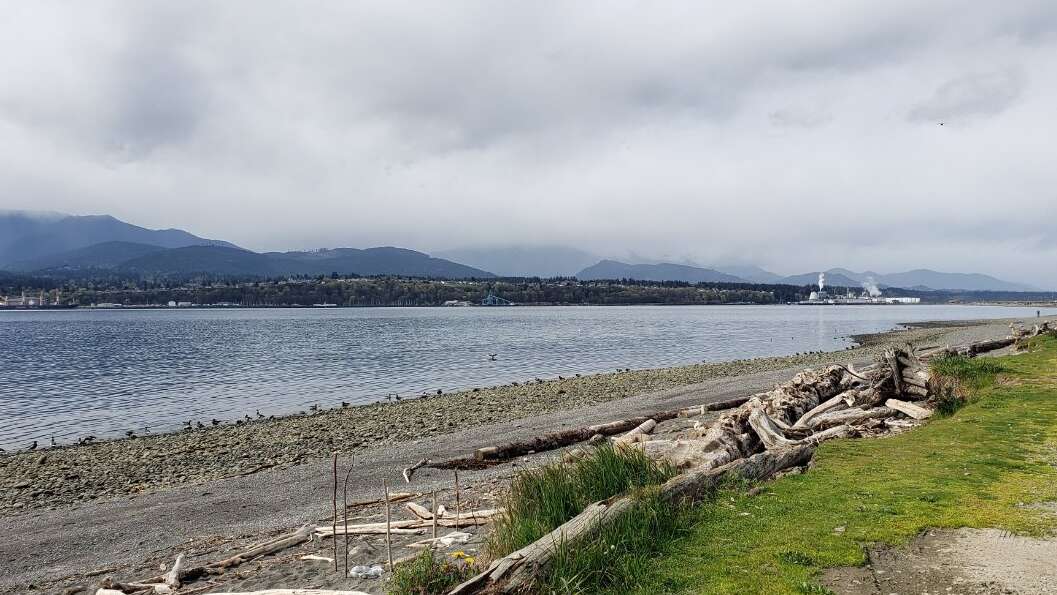
A pilot project proposed in Port Angeles, Washington is designed to test whether seawater can be used to soak up more carbon dioxide from the air. It is a first-of-its-kind pilot project that has the potential to remove carbon dioxide from marine waters.

Northern California steelhead require continued protection as a threatened species under the federal Endangered Species Act, according to a recent 5-year review by NOAA Fisheries.

During recent periods of unusually warm water in the Gulf of Alaska, young Pacific cod in near shore safe havens where they typically spend their adolescence did not experience the protective effects those areas typically provide, a new Oregon State University study found.

The reservoir behind central Idaho’s Dworshak Dam is full (1,600-foot elevation), air temperatures in the lower Snake River basin are warming into the 100’s over the July 4 weekend and beyond, and tailwater temperature at Lower Granite Dam is warming towards 68 degrees Fahrenheit, the maximum allowed by NOAA Fisheries’ biological opinion on impacts of the federal hydroelectric system on salmon and steelhead.
Gray whales that spend their summers feeding in the shallow waters off the Pacific Northwest coast have undergone a significant decline in body length since around the year 2000, a new Oregon State University study found.

A new research project led by the University of Montana’s Flathead Lake Biological Station expands the impact of the station’s renowned expertise from mountain watersheds to ocean depths.

New research has connected warming ocean temperatures to higher Pacific salmon abundance in the Canadian Arctic, an indicator that climate change is creating new corridors for the fish to expand their range.

A 15-year period ending in 2020 that included a marine heat wave and a sea star wasting disease epidemic saw major changes in the groups of organisms that live along the rocky shores of the Pacific Northwest.

The U.S. Army Corps of Engineers says that a report by a new group that recently asserted the four lower Snake River dams are a major source of greenhouse gases, particularly methane gas, largely used emission figures from dams and reservoirs outside of the Columbia and Snake river basins.

Snowpack this winter continues to be at an all-time low across several river basins in western Montana, indicating that this year could see water shortages, according to recent projections from the Montana Climate Office.

urvival of Columbia River basin salmon and steelhead is poor – in most cases less than 2 percent smolt to adult returns – compared to a Northwest Power and Conservation SARs goal of 6 percent, according to a presentation at the Council’s March meeting.

The California Current ecosystem is a vital ocean system stretching from Washington to Baja California. It is facing a strong 2024 El Niño event, a cyclical warming of the Pacific Ocean. However, the latest information from NOAA’s Integrated Ecosystem Assessment program suggests the ecosystem is better positioned to weather these changing conditions than previous El Niño events.

Marine heat waves in the northeast Pacific Ocean create ongoing and complex disruptions of the ocean food web that may benefit some species but threaten the future of many others, a new study has shown.

Low oxygen conditions that pose a significant threat to marine life are widespread and increasing in coastal Pacific Northwest ocean waters as the climate warms, a new study shows.

The cold water rivers of Western Washington hold some of the last, best freshwater habitat for salmon and steelhead in the lower 48 states, and despite a warming climate, their high-elevation headwaters are predicted to remain cool enough for salmon and steelhead for at least the next 50 years.

Oregon State University researchers are leading an effort to refine the design and expand use of oxygen monitoring sensors that can be deployed in fishing pots to relay critical information on changing ocean conditions to the fishing industry.

Walleye are one of the most sought-after species in freshwater sportfishing, a delicacy on Midwestern menus and a critically important part of the culture of many Indigenous communities. They are also struggling to survive in the warming waters of the midwestern United States and Canada.
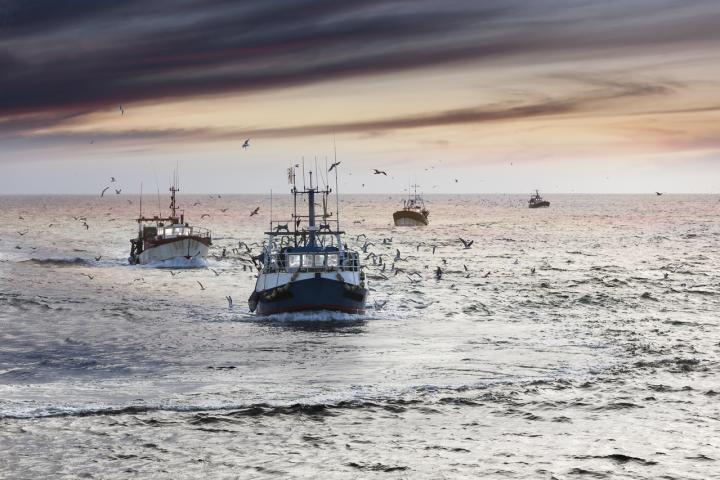
A new NOAA Fisheries study examined how climate change might affect commercial fishing fleets on the U.S. West Coast, assessing the risk to different bottom trawl groundfish fishing fleets in California, Oregon, and Washington.

Though agencies and partners have pulled together to support the recovery of endangered Sacramento winter-run Chinook salmon in the last few years, NOAA Fisheries says the species is still in trouble, facing threats from climate change and other factors.

Montana Fish, Wildlife & Parks has notified the U.S. Fish and Wildlife Service of its intent to pursue legal action over the recent listing of wolverines as a threatened species.

Marine heat waves appear to trigger earlier reproduction, high mortality in early life stages and fewer surviving juvenile Pacific cod in the Gulf of Alaska, a new study from Oregon State University shows.

In a study that could help reshape understanding and management of water resources in the Western United States, David Ketchum, a 2023 graduate of the University of Montana systems ecology Ph.D. program, has unveiled a 35-year analysis quantifying the interconnected impacts of climate change and irrigation on surface water flows.

Forests on the west slope of Oregon’s Cascade Range experienced fire much more often between 1500 and 1895 than had been previously thought, according to new research by scientists at Oregon State University.

NOAA’s 2023 Arctic Report Card documents new records showing that human-caused warming of the air, ocean and land is affecting people, ecosystems and communities across the Arctic region, which is heating up faster than any other part of the world.

Two new research studies describe the increasing accuracy of specialized scientific models in forecasting changes in the ocean up to a year in advance.

North America’s 2021 heat wave was Washington’s deadliest weather-related disaster, claiming over 100 lives in the evergreen state and many others in neighboring regions. Scientists not only suggest that such heat waves will grow more intense and strike more often—in new work, they reveal the underlying mechanism behind these strengthened heat waves.

Even in the precipitation-heavy Pacific Northwest, more frequent heatwaves are threatening a key source of water supply.

The Fifth National Climate Assessment (NCA5) released this week finds that the impacts of weather extremes — exacerbated by climate change — are far-reaching across every region of the United States. And it indicates a warming future threatens Northwest salmon recovery.

An international coalition of climate scientists says in a paper published this week that the Earth’s vital signs have worsened beyond anything humans have yet seen, to the point that life on the planet is imperiled.

A new report from Pacific Northwest National Laboratory shows that along a 200-mile stretch of ocean off the coast of southern Oregon and northern California, floating wind farms could potentially triple the Pacific Northwest’s wind power capacity while offsetting potentially billions of dollars in costs for utilities, ratepayers, insurance companies, and others across the West who bear the cost of climate change’s effects.

The Western United States is losing its glaciers. A new inventory from Portland State University researchers shows that some glaciers have disappeared entirely, some no longer show movement, some are too small to meet the 0.01 square kilometer minimum and some are actually rock glaciers — rocky debris with ice in the pore spaces.
With climate change, some spawning habitat in British Columbia could actually expand, peaking in area around 2060, according to a recent study that looked at current stream habitat and projected future favorable spawning habitat as the climate warms.

Researchers who study water resources want to know how much snow an area will get in a season. The total snowpack gives scientists a better idea of how much water will be available for hydropower, irrigation and drinking later in the year.

New research has found that marine heat waves – prolonged periods of unusually warm ocean temperatures – haven’t had a lasting effect on the fish communities that feed most of the world.

New research from the University of Washington and Polar Bears International in Bozeman, Montana, quantifies the relationship between greenhouse gas emissions and the survival of polar bear populations.

Shifting ocean conditions associated with climate change will likely send high-value sablefish into deeper waters off the West Coast, new research shows. That could make the fish tougher to catch and force fishing crews to follow them or shift to other, more accessible species.

The next step in Oregon State University’s construction of a wave energy testing facility off the Oregon Coast is visible to residents and visitors to the area this month.

Four conservation groups notified the U.S. Army Corps of Engineers that they intend to sue the agency over the heat pollution created by the four lower Snake River dams. The groups allege the dams overheat the river’s water and those conditions are killing or injuring Snake River sockeye salmon listed as endangered under the federal Endangered Species Act.

Climate change has led to earlier spring blooms for wildflowers and ocean plankton but the impacts on salmon migration are more complicated, according to new research.
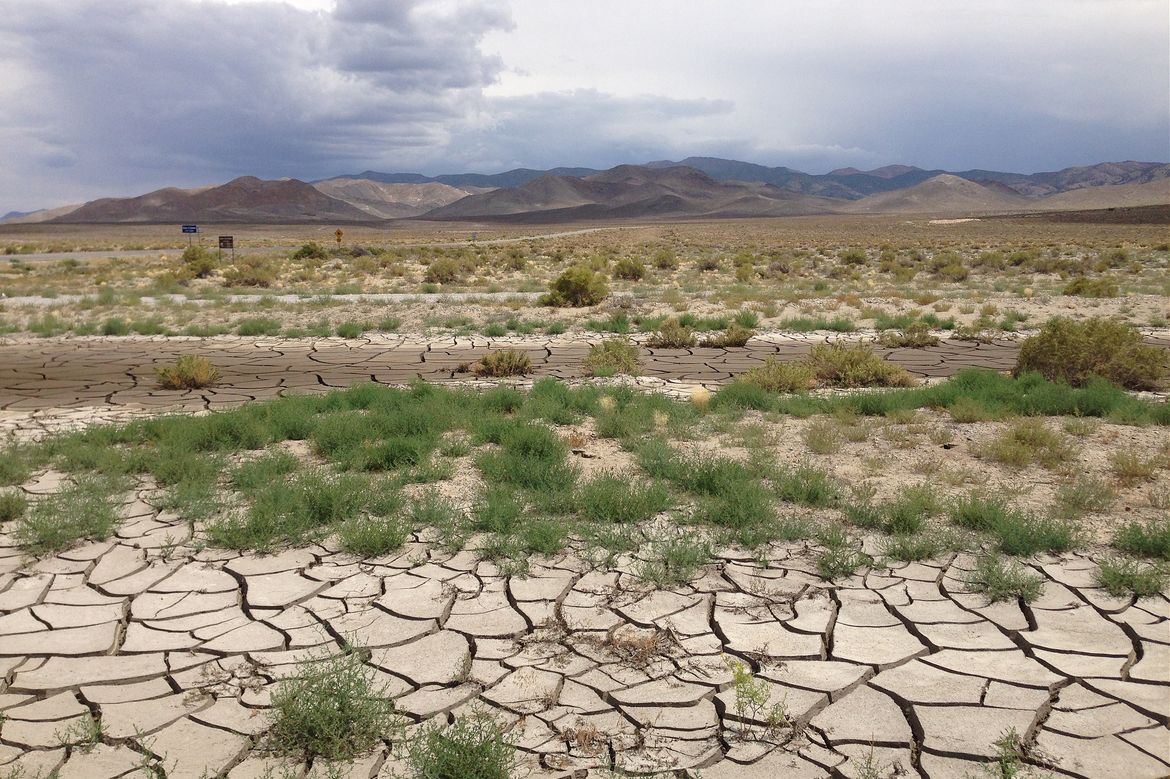
When drought-stricken rivers and reservoirs run low across the American West, hydropower dries up and utilities fire up hundreds of power plants that burn coal, oil, or natural gas to keep up with demand for electricity. The timing couldn’t be worse, as accompanying heat waves drive up energy use, often to power air conditioners.

Since 1980, fires have gotten significantly larger and more severe across California and the western United States, vastly increasing the amount of destruction they cause.

Alaska is warming faster than any other state. Pumped storage hydropower has the potential to integrate more wind and solar into the energy grid to reduce the carbon dioxide emissions driving climate change in the state.

A recent study has revealed that climate change has had a profound impact on the Colorado River Basin between the years 2000 and 2021. The study shows that over this period, more than 40 trillion liters (10 trillion gallons) of water were lost due to climate change effects, which is roughly equivalent to the entire storage capacity of Lake Mead.

Rates of Chinook salmon bycatch in the Pacific hake fishery rise during years when ocean temperatures are warmer, a signal that climate change and increased frequency of marine heatwaves could lead to higher bycatch rates, new research indicates.

As scientists around the world sound the alarm about record sea surface temperatures, a new experimental NOAA forecast system predicts that half of the global ocean may experience marine heatwave conditions by the end of summer.

New research led by the University of Washington uses data collected by coastal residents along beaches from central California to Alaska to understand how seabirds have fared in recent decades. The paper shows that persistent marine heat waves lead to massive seabird die-offs months later.

A new study of North American songbirds finds that birds can’t keep up with the earlier arrival of spring caused by climate change. As a result, they’re raising fewer young.

As the world warms, extreme weather events grow – and they also change. Researchers at the Department of Energy’s Lawrence Berkeley National Laboratory found that climate change is shifting snowfall to rainfall on mountains across the Northern Hemisphere. Those surges of liquid water bring a distinct set of dangers, including floods, landslides, and soil erosion.
n the quarter century between 1996 and 2020, wildfires in California consumed five times more area than they did from 1971 to 1995. Researchers at the University of California and other international institutions have concluded that nearly all of the increase in scorched terrain can be blamed on human-caused climate change.

Wildfires have become increasingly frequent due to climate change, with record occurrences in areas not historically prone to them. In California, wildfires and regional power shutoffs have cost billions and taken lives. For some 46 million Americans living next to forests – at what scientists call the “wildland-urban interface” (WUI) – the risks of wildfire can be especially acute.

In early 2014, a great anomaly descended upon the seas: A patch of warm water that manifested in the Gulf of Alaska. Scientists called it “The Blob.”

As the ocean warms, marine fish are on the move—beyond their traditional habitats and across international boundaries. Understanding these patterns of movement is essential to predicting change and managing climate-resilient fisheries.

The Center for Biological Diversity and Pacific Rivers have filed a petition to list Washington coast spring Chinook salmon under the federal Endangered Species Act.

A team of Oregon State University researchers is leading a three-year effort to learn more about climate fluctuations in Olympic Coast National Marine Sanctuary using more than 20 years of oceanographic data.

The amount of sediment carried by Columbia River waters to the Pacific Ocean has declined by about half since Bonneville Dam was built in 1935. Much of the sediment no longer moved by the river has found a home at the mouths of tributaries, creating shallow sediment fans or deltas where warm water and predators impact juvenile salmon and steelhead, some listed under the federal Endangered Species Act.
Deteriorating habitat conditions caused by climate change are wreaking havoc with the timing of bird migration.

A massive 2,000 page draft environmental impact statement on how Willamette River Valley dams impact threatened salmon, steelhead and bull trout is flawed and does not address one of its own primary goals, which is meeting obligations under the Endangered Species Act to avoid jeopardizing the existence of listed species, according to several groups and agencies that submitted comments to the U.S. Army Corps of Engineers in late February.
Good years in the Pacific Ocean for salmon and steelhead, as the last couple of years have been, are an anomaly. Instead, ocean conditions are generally trending downward, according to a NOAA Fisheries scientist briefing the Northwest Power and Conservation Council.

Ecological relationships across the Pacific Coast that once guided annual expectations such as salmon returns are evolving as climate change disrupts long-standing connections. NOAA Fisheries researchers report these findings in their latest Ecosystem Status Report for the California Current Ecosystem.

By returning to spawn in the Sacramento River at different ages, Chinook salmon lessen the potential impact of a bad year and increase the stability of their population in the face of climate variability, according to a new study by scientists at UC Santa Cruz and NOAA Fisheries.

An international collaboration led by Oregon State University scientists has identified 27 global warming accelerators known as amplifying feedback loops, including some that the researchers say may not be fully accounted for in climate models.

NOAA Fisheries says it will consider listing Olympic Peninsula summer and winter steelhead threatened or endangered under the federal Endangered Species Act. All populations of steelhead on the peninsula have continued to decline since 2017.

A new report recently released by the Washington Department of Fish and Wildlife calls for new strategies and policy tools to address consequences of increasing human demand for water and the effects of climate change on Washington’s rivers, streams and salmon.
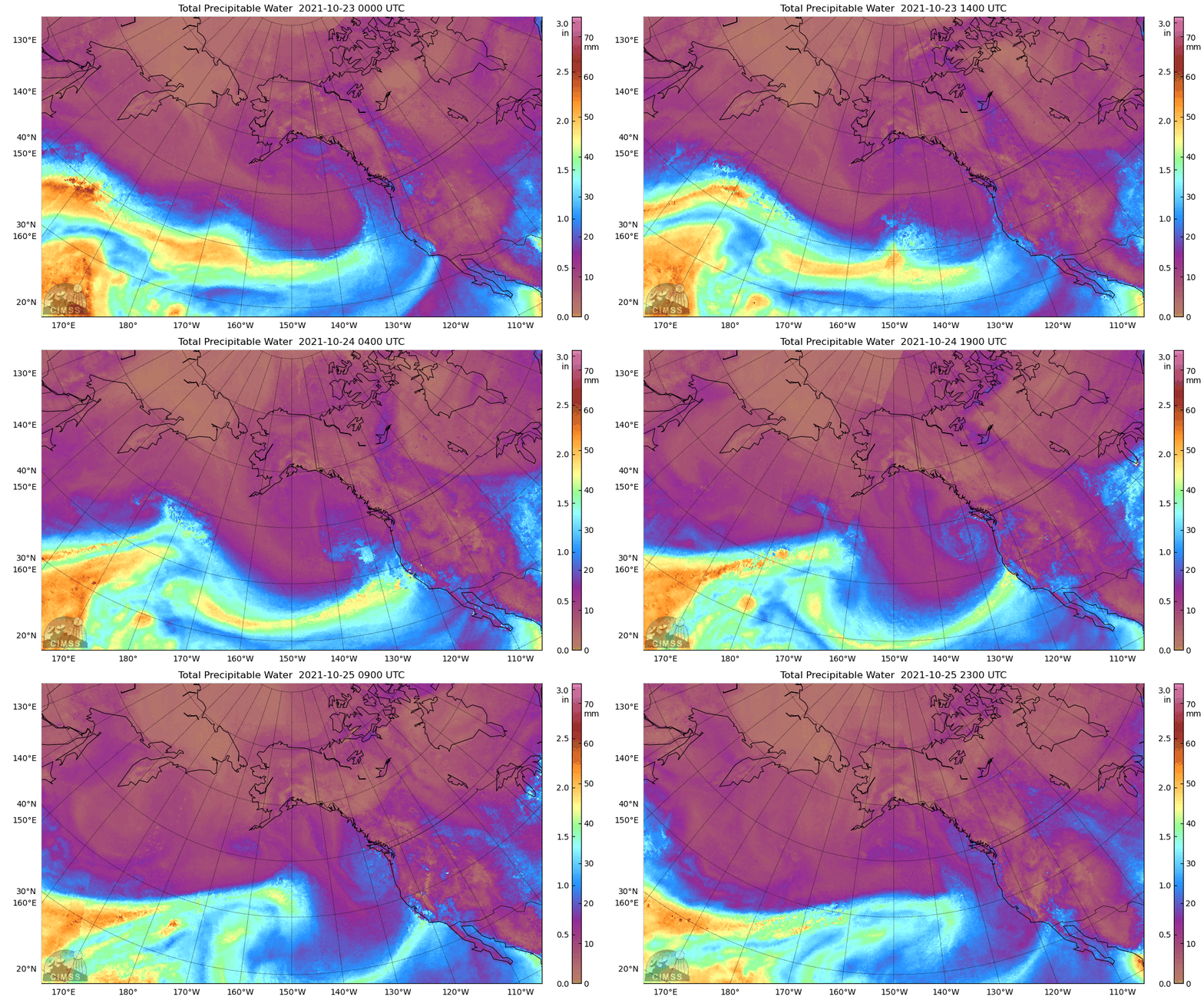
From late Dec. 2022 into Jan. 2023, a series of nine “atmospheric rivers” dumped a record amount of rain and mountain snow across the western U.S. and Canada, hitting California particularly hard. More than 32 trillion gallons of water rained down across the state alone, and the moisture also pushed into much of the Intermountain West.

The western bumble bee was once common in western North America, but increasing temperatures, drought, and pesticide use have contributed to a 57% decline in the occurrence of this species in its historical range, according to a new U.S. Geological Survey-led study.
Snow-capped mountains aren’t just scenic – they also provide natural water storage by creating reservoirs of frozen water that slowly melt into watersheds throughout the spring and summer months. Much of the Western U.S. relies on this process to renew and sustain freshwater supplies, and new research underscores the impacts of extreme weather conditions on this annual cycle.

New research shows that the wettest and most extreme winter storms in the Western United States are only growing wetter and larger. These powerful storms are changing shape in a warmer world, sprawling to drench more land while simultaneously growing more intense at their cores.
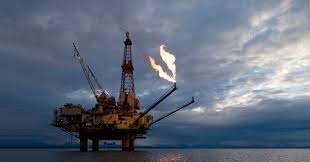
Climate projections reported by ExxonMobil scientists between 1977 and 2003 were accurate and skillful in predicting subsequent global warming and contradicted the company’s public claims, a new Harvard study shows.

The U.S. Fish and Wildlife Service this week announced the completion and publication of the final recovery plan for the Meltwater Lednian stonefly and Western Glacier stonefly.

Douglas-fir trees will likely experience more stress from drier air as the climate changes than they will from less rain, computer modeling by Oregon State University scientists shows.

Researchers project that most glaciers in western Canada will be gone in 80 years.

More than a century of preserved fish specimens offer a rare glimpse into long-term trends in parasite populations. New research from the University of Washington shows that fish parasites plummeted from 1880 to 2019, a 140-year stretch when Puget Sound — their habitat and the second-largest estuary in the mainland U.S. — warmed significantly.

Oregon continues to face new and enduring hazards related to climate change, but opportunities for adaptation and mitigation are also expanding, the latest assessment released by the Oregon Climate Change Research Institute indicates.

National parks are the backbone of conservation. Yet mounting evidence shows that many parks are too small to sustain long-term viable populations and maintain essential, large-scale ecological processes, such as large mammal migrations and natural disturbance regimes.

In mid-September 2022, Central Oregon’s Crooked River became the first river in the state to close to recreational angling specifically due to drought-related low flows. It reopened October 31 after six weeks of extremely low water levels that left as much as 50 to 90 percent of the river’s channels dry.

One way to cool overheated summer and fall Columbia River waters might be to lower reservoir levels at the river’s dams. Drawdowns could reduce the size of the reservoirs so there is less water to heat under the summertime sun and it could reduce travel time for juvenile salmon and steelhead through the dams as the river would take on more of the characteristics of a free flowing stream.

Americans are leaving many of the U.S. counties hit hardest by hurricanes and heatwaves—and moving towards dangerous wildfires and warmer temperatures, finds one of the largest studies of U.S. migration and natural disasters.

The Washington Department of Ecology has published a new report looking at projected streamflow changes in the state due to climate change and the projected impacts on salmonids.

Snowcapped mountains not only look majestic, they are vital to a delicate ecosystem that has existed for tens of thousands of years. Mountain water runoff and snowmelt flows down to streams, rivers, lakes, and oceans and today around a quarter of the world depends on these natural “water towers” to replenish downstream reservoirs and groundwater aquifers for urban water supplies, agricultural irrigation, and ecosystem support.

The world’s current climate pledges are insufficient to keep the goal of the 2015 Paris Agreement firmly within grasp. Global warming will likely surpass the 1.5-degree Celsius limit.

As climate change worsens water quality and threatens ecosystems, the famous dams of beavers may help lessen the damage.

The National Oceanic and Atmospheric Administration has awarded Oregon State University and its research partners $4.2 million to investigate how multiple climate change-related stressors are impacting marine ecosystems off the coast of Oregon, Washington and Northern California.
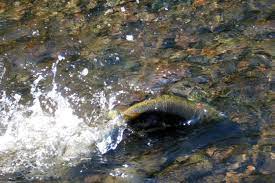
California state scientists have released a new report that shows how the impacts of climate change are rapidly accelerating in California. Key findings illustrate an exponential increase in wildfires and point to a hotter, drier environment driven by megadrought. Climate-influenced changes in freshwater and ocean conditions, says the report, are threatening the survival of Chinook salmon in Northern California rivers.

A UCLA-led study published this week reveals that migratory birds across North America are getting smaller, a change the researchers attribute to the rapidly warming climate.

Conservationists filed a formal notice this week of their intent to sue the U.S. Fish and Wildlife Service for once again denying Montana’s Arctic grayling population Endangered Species Act protections. Arctic grayling is a freshwater fish in the same family (Salmonidae) as salmon, trout, and whitefish.

The U.S. Fish and Wildlife Service has finalized protections for the emperor penguin, a flightless seabird endemic to Antarctica, under the Endangered Species Act. The emperor penguin is listed as a threatened species and includes a section 4(d) rule that tailors protections for the species. The impact of climate change on sea-ice habitat, where the species spends the majority of its life, is the primary threat to the penguin.

Narwhals are changing their migration patterns in response to pressure from changing Arctic climates, a new University of British Columbia report has found.

An international coalition of researchers says in a report published this week that the Earth’s vital signs have worsened to the point that “humanity is unequivocally facing a climate emergency.”

Four populations of lower Columbia River salmon and steelhead listed under the Endangered Species Act are in as much trouble today as they were in 2016. In its five-year status review for these fish released this morning, NOAA Fisheries says “the collective risk” has not changed significantly and the “overall level of concern remains the same.”
A newly released State of the Birds report for the United States reveals a tale of two trends – one hopeful, one dire. Long-term trends of waterfowl show strong increases where investments in wetland conservation have improved conditions for birds and people. But data show birds in the U.S. are declining overall in every other habitat – forests, grasslands, deserts, and oceans.

A new analysis led by researchers with the University of California has found the 2020 wildfires in the state, the most disastrous wildfire year on record, put twice as much greenhouse gas emissions into the Earth’s atmosphere as the total reduction in such pollutants in California between 2003-2019.

NOAA Fisheries has finalized a report that identifies actions that the agency says have the greatest likelihood of making progress toward rebuilding populations of salmon and steelhead in the Columbia River basin to “healthy and harvestable levels.” The agency had released a draft in July for limited comments.

Central Oregon’s Crooked River became the first Oregon river the state has closed to angling specifically due to drought-related low flows that could result in major impacts on fish as well as on efforts to reintroduce salmon and steelhead to the river.

Forecasters are predicting a “three-peat La Niña” this year. This will be the third winter in a row that the Pacific Ocean has been in a La Niña cycle, something that’s happened only twice before in records going back to 1950.

State and federal biologists and engineers, in partnership with the Winnemem Wintu Tribe, have begun testing an experimental system in northern California’s Shasta Reservoir that could help collect young salmon from the McCloud River in future years.

The number of trout in a southern Oregon stream system showed no decline one year after a fire burned almost the entire watershed, including riparian zone trees that had helped maintain optimal stream temperatures for the cold-water fish.

When the 2021 Pacific Northwest heat wave peaked at 121 degrees Fahrenheit, it buckled roads, melted power lines, killed hundreds and led to a devastating wildfire. Climate scientists were shocked to see heat so severe.
The U.S. Department of Energy’s Oak Ridge National Laboratory has provided hydropower operators with new data to better prepare for extreme weather events in the Pacific Northwest and shifts in seasonal energy demands caused by climate change.

Nearly three-dozen Pacific Northwest organizations have sent a letter to the State Department and other federal agencies urging the Biden Administration to better inform the region on efforts to overhaul the 1964 U.S.-Canada Columbia River Treaty, add “ecosystem function” as a treaty purpose, and include Columbia River basin Tribes in treaty governance. The letter also expresses concerns about potential “called-upon” river operations if the treaty is not modernized by 2024.

The megadrought in the Southwestern United States is the driest—and longest—in the last 1,200 years, depleting water reservoir levels to critically low levels over the past 22 years. This persistent drought has policymakers and system planners concerned about the reliability of the electric grid under worsening drought conditions and climbing temperatures.

A new study led by Oregon State University suggests leaves in forest canopies are not able to cool themselves below the surrounding air temperature, likely meaning trees’ ability to avoid damaging temperature increases, and to pull carbon from the atmosphere, will be compromised in a warmer, drier climate.

Despite decades of resiliency, climate change may put Montana’s popular trout fisheries at risk, according to a new study.

Global fish stocks will not be able to recover to sustainable levels without strong actions to mitigate climate change, a new study has projected.

California lives with a sleeping giant — an occasional flood so large that it inundates major valleys with water flows hundreds of miles long and tens of miles across.
Idaho’s ten-year plan for conserving and managing the state’s most at-risk fish and wildlife and the habitat they depend on says that climate change is one of the stressors impacting all of the state’s animals and lands.

The Bureau of Reclamation and U.S. Fish and Wildlife Service are partnering to protect winter-run Chinook salmon in a crucial year of their life cycle at the Livingston Stone National Fish Hatchery at Shasta Lake during the third consecutive drought year in California.

As glaciers worldwide retreat due to climate change, managers of national parks need to know what’s on the horizon to prepare for the future. A new study from the University of Washington and the National Park Service measures 38 years of change for glaciers in Kenai Fjords National Park, a stunning jewel about two hours south of Anchorage.
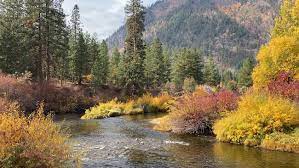
Anticipated future shifts in water supply and water demands will combine to create potential vulnerabilities related to water availability across many areas of eastern Washington, including trouble for fish, according to a new report from the Washington Department of Ecology, Washington State University, and the State of Washington Water Research Center.

Regional shifts in streamflows have prompted the Bonneville Power Administration to revise its generation forecast methodology to more accurately reflect a Northwest water supply impacted by climate change.

Water resources will fluctuate increasingly and become more and more difficult to predict in snow-dominated regions across the Northern Hemisphere by later this century, according to a comprehensive new climate change study led by the National Center for Atmospheric Research.

The Winnemem Wintu Tribe, the California Department of Fish and Wildlife, the National Oceanic and Atmospheric Administration Fisheries and the U.S. Fish and Wildlife Service last week celebrated the return of endangered winter-run Chinook salmon eggs to the McCloud River upstream of Shasta Reservoir for the first time since the construction of the Shasta Dam in the 1940s.

California is banking on its forests to help reduce planet-warming carbon dioxide in the atmosphere. But that element of the state’s climate-change solution arsenal may be in jeopardy, as new research from the University of California, Irvine reports that trees in California’s mountain ranges and open spaces are dying from wildfires and other pressures – and fewer new trees are filling the void.

Saying that “business as usual” is not restoring threatened and endangered salmon and steelhead in the Columbia/Snake river basins, the White House released two reports this week, adding more information to the debate on the costs and efficacy of breaching the four lower Snake River dams as a path towards recovery.

In the Pacific Northwest, thirteen watersheds are “intensively monitored” to provide key data on regional salmon and steelhead recovery efforts. A new report has mixed messages about the success of habitat restoration in boosting returns of adult fish listed under the Endangered Species Act.

A new study led by a University of Idaho researcher offers high-resolution details on how Chinook salmon habitats, due to climate change, are being lost on Bear Valley Creek, a headwater stream of the Salmon River in central Idaho.
Science reporting on climate change does lead Americans to adopt more accurate beliefs and support government action on the issue – but these gains are fragile, a new study suggests.

The California Department of Fish and Wildlife is nearing the completion of its efforts to transport 19.7 million hatchery-raised fall-run and 960,000 spring-run juvenile Chinook salmon to the San Pablo Bay, San Francisco Bay and seaside net pens this spring and summer.

A year ago, June, 2021, temperatures in Oregon, Washington and British Columbia soared to well above 100 degrees Fahrenheit, with Seattle setting an all-time heat record of 108 degrees on June 28.

Climate change is likely to exacerbate flooding throughout the Columbia River basin, according to a recent study by researchers at Oregon State University and the University of Washington affiliated with the Climate Impacts Research Consortium.

A report on the state of Canada’s Pacific Ocean ecosystems says warm ocean temperature have changed the zooplankton community with consequences for fish, seabirds and the entire Pacific marine food web. Climate change has altered the ecosystems that Canada’s Pacific salmon depend on at every stage of their life cycle.

Using future projections of the latest generation of Earth system models, a new study found that most of the world’s ocean is steadily losing its year-to-year memory under global warming.

In the first Endangered Species Act interpretive rule produced under the Biden Administration, the U.S. Fish and Wildlife Service is proposing to revise regulations under the ESA to better facilitate recovery by allowing for the introduction of listed species to suitable habitats outside of their historical ranges.

On the central California coast, the southern end of Pacific salmon’s range, streams are drying up and the imperiled fish need to be rescued if they are to survive. Biologists are planning a relocation to save these coho and steelhead.

The North American Electric Reliability Corporation’s 2022 Summer Reliability Assessment warns that several parts of North America are at elevated or high risk of energy shortfalls this summer due to predicted above normal temperatures and drought conditions over the western half of the United States and Canada.

New research led by an Oregon State University scientist provides the first long-term study of methods to control the spread of wildfire in the sagebrush steppe ecosystem that dominates parts of the western United States.
Knowing what factors influence when and how much snowmelt ultimately makes it to streams, rivers and reservoirs is crucial for water managers trying to make the most of limited water resources.

State and federal biologists have begun moving threatened spring-run Chinook salmon to Clear Creek in northern California, where colder water temperatures will better support spawning and help their eggs survive the continuing drought.
Native species in West Coast estuaries are expected to experience greater declines as invasive species interact with climate change, according to a study from the University of California, Davis.
Staggering declines in bird populations are taking place around the world. Loss and degradation of natural habitats and direct overexploitation of many species are cited as the key threats to avian biodiversity. Climate change is identified as an emerging driver of bird population declines.

As greenhouse gas emissions continue to warm the world’s oceans, marine biodiversity could be on track to plummet within the next few centuries to levels not seen since the extinction of the dinosaurs, according to a recent study in the journal Science by Princeton University researchers.

Since about 1900 Washington state’s Olympic Peninsula has lost half of its glacier area and since 1980, 35 glaciers and 16 perennial snowfields have disappeared.

Pacific Northwest seafood lovers may see more Humboldt squid but less sockeye salmon on restaurant menus in the near future due to climate change.

In a split 4-3 vote at its meeting in Astoria Friday, the Oregon Department of Fish and Wildlife Commission decided to not release hatchery summer steelhead smolts into the North Umpqua River this year and eliminate the Rock Creek summer steelhead hatchery program.

The Department of the Interior said this week it is seeking information on the potential of offshore wind energy farms off the coast of Oregon.

In early September 2020, severe winds, high heat, and prolonged drought conditions led to the explosive growth of wildfires along the western slopes of the Cascades Mountains in the Pacific Northwest. The fires engulfed enormous tracts of forestland, destroyed communities, took dozen of lives, and cost hundreds of millions to fight.

Wild Columbia River summer steelhead have been declining since 2009, and Bonneville Dam counts in 2021 showed the lowest returns since 1997.

Changing climate and oceans are affecting the nation’s living marine resources and the people, businesses and communities that depend on them. From warming oceans and rising seas, to droughts and ocean acidification, these impacts are expected to increase with continued changes in the planet’s climate system.
Increasingly large and intense wildfires in the Pacific Northwest are altering the seasonal pattern of air pollution and causing a spike in unhealthy pollutants in August, new research finds. The smoke is undermining clean air gains, posing potential risks to the health of millions of people.
A new study shows over 1,300 gigawatts of solar, storage, and wind in interconnection queues – an indicator of a major energy transition underway, even if most proposed projects will not be built.

The Columbia River Inter-Tribal Fish Commission this week presented its “2022 Energy Vision For The Columbia River Basin” to the Northwest Power and Conservation Council, with recommendations to get “energy production off the backs of salmon.”

In the early morning hours of January 9, 2018, intense rainfall loosened debris and mud in the Santa Ynez mountains, in Santa Barbara County, that had been torched by the Thomas Fire just months before.

Along the Lemhi River in central Idaho, water is essential to farming and ranching that dominates the mountain valley. It is also vital to the recovery of threatened Snake River chinook salmon and steelhead that once returned to the Lemhi by the thousands.
The third and final installment of the Intergovernmental Panel on Climate Change’s Sixth Assessment Report calls for aggressive and comprehensive actions if we are to achieve net zero emissions by mid-century. It finds we still need to reduce greenhouse gas emissions drastically, beyond what governments have pledged, and that this emissions gap is exacerbated by implementation gaps despite the mitigation efforts underway.

The people, economy, and ecosystems of the Pacific coast states of California, Oregon and Washington are highly dependent on cool-season atmospheric rivers for their annual water supply.
In arid Western states, the climate is growing warmer and drier, leading to increased demand for water resources from humans and ecosystems. Now, the atmosphere across much of the U.S. is also demanding a greater share of water than it used to, according to a new study.

Even the High North can’t escape the global threat of plastic pollution.

A new report shows cooler waters on the West Coast were sandwiched between a marine heatwave and historically hot, dry conditions on land in 2021. NOAA Fisheries researchers from the Northwest and Southwest Fisheries Science Centers presented these findings to the Pacific Fishery Management Coun

The Oregon Legislature has passed the Private Forest Accord, which is aimed at bringing durable protections for salmon and cold, clean water across 10 million acres of private Oregon forestland. The legislature also established the Elliott State Research Forest, intended to transform this coastal rainforest into a sanctuary for science. And the legislature allocated a first-ever river resilience funding package to protect streamflows in the face of drought.

Research on the ground following two large wildfires in California’s Sierra Nevada mountain range showed the vast majority of carbon stored in trees before the blazes was still there after the fires.
Decades of logging and fire suppression have left California’s forests prone to drought, infestation and catastrophic wildfire. Climate change is only exacerbating these impacts. But for thousands of years before, during and after European colonization, Indigenous tribes have lived within and among these forests, intentionally lighting fires to manage landscapes and ecosystem mosaics, enhance habitat, produce food and basketry materials, clear trails, reduce pests and support ceremonial practices.

As the name implies, California market squid are often sold in stores and typically found between Baja California and Monterey Bay. So, the squid’s periodic appearance in the Gulf of Alaska – about 745 miles north of its expected range – has given researchers pause.
In North America, rising air, water, ocean, and ground temperatures have restructured ecosystems and contributed to documented redistribution and mortality of plant, fish, bird, mammal and other faunal species, says the latest Intergovernmental Panel on Climate Change report, released this week.
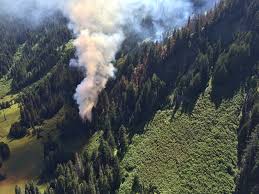
Change can be hard, especially when it involves soaring summer temperatures, mega-droughts, invasive species and other items from the list of unpleasant outcomes of climate change. In the Western U.S. where skiing, hiking, biking, hunting and other forms of outdoor recreation are core to many people’s lives, and where local economies rely on income generated by these activities, the impacts are already difficult to ignore.
Forest fires can have a significant effect on the amount of water flowing in nearby rivers and streams, and the impact can continue even years after the smoke clears.
Climate change and land-use change are projected to make wildfires more frequent and intense, with a global increase of extreme fires of up to 14 per cent by 2030, 30 per cent by the end of 2050 and 50 per cent by the end of the century, according to a new report by the United Nations.

The United States is expected to experience as much sea level rise by the year 2050 as it witnessed in the previous hundred years, says a new NOAA report released this week. The West Coast will see a rise of 4-8 inches.
The drought that has enveloped southwestern North America for the past 22 years is the region’s driest “megadrought” — defined as a drought lasting two decades or longer — since at least the year 800, according to a new UCLA-led study in the journal Nature Climate Change.

Research led by Oregon State University shows that fires are more likely to burn their way into national forests than out of them.

The first atlas to measure the movement and thickness of the world’s glaciers gives a clearer, but mixed picture of the globe’s ice-bound freshwater resources, according to researchers from the Institute of Environmental Geosciences and Dartmouth College.

California’s native salmon have been harmed by more than a century of mining, dam building, floodplain reclamation, fishing pressure, hatchery practices, and introduced predators. These stressors have undermined the resilience of California’s native salmon to the accelerating effects of climate change, new research shows.
Market squid have multiplied off the West Coast over the last two decades. They have increased especially from San Francisco north into Oregon and Washington in conjunction with warmer ocean waters in recent years, new research shows.
By 2080, around 70% of the world’s oceans could be suffocating from a lack of oxygen as a result of climate change, potentially impacting marine ecosystems worldwide, according to a new study. The new models find mid-ocean depths that support many fisheries worldwide are already losing oxygen at unnatural rates and passed a critical threshold of oxygen loss in 2021.
Climate change will force 45 per cent of the fish stocks that cross through two or more exclusive economic zones to shift significantly from their historical habitats and migration paths by 2100, a challenge that may lead to international conflict, according to a new University of British Columbia study.

Rivers need water—a fact that may seem ridiculously obvious, but in times of increasing water development, drought, and climate change, the quantity of natural streamflow that remains in river channels is coming into question.

In a new study, University of Montana researchers found that climate change drives native trout declines by reducing stream habitat and facilitating the expansion of invasive trout species.

Like humans, wild animals often return to the same places to eat, walk on the same paths to travel and use the same places to raise their young.

NOAA Fisheries is reporting promising news for juvenile salmon – good ocean conditions existed off the West Coast of Oregon and Washington during 2021.
The Department of the Interior announced that it would begin nation-to-nation consultations with Tribes as it implements the Bipartisan Infrastructure Law. The law invests more than $13 billion directly in Tribal communities across the country to bolster community resilience, replace aging infrastructure, expand access to clean drinking water and help ensure that everyone has access to high-speed internet.

A recent study describes a link between dwindling sea ice and worsening wildfires in the western United States. As sea ice melts from July to October, sunlight warms the increasingly iceless, surrounding area. This ultimately brings heat and fire-favorable conditions to distant states like California, Washington, and Oregon later in autumn and early winter.

The supply of farmed seafood such as salmon and mussels are projected to drop 16 per cent globally by 2090 if no action is taken to mitigate climate change, according to a new University of British Columbia study.

Retreating glaciers in the Pacific mountains of western North America could produce around 6,150 kilometers of new Pacific salmon habitat by the year 2100, according to a new study.

New Oregon State University research shows that warm-water habitats can be critically important for the survival of cold-water fish such as trout and salmon.

How much and how long a severely burned Pacific Northwest mountain landscape stays blanketed in winter snow is a key factor in the return of vegetation, research by Oregon State University and the University of Nevada, Reno shows.

In California’s Sierra Nevada, western pine beetle infestations amped up by global warming were found to kill 30% more ponderosa pine trees than the beetles do under drought alone. A new supercomputer modeling study hints at the grim prospect of future catastrophic tree die-offs and offers insights for mitigating the combined risk of wildfires and insect outbreaks.

The California Department of Fish and Wildlife last month began releasing juvenile fall-run Chinook salmon into the Klamath River now that river conditions have improved with cooler temperatures and increased flows that give the young salmon their best chance at survival and reaching the Pacific Ocean.

The Infrastructure and Investment and Jobs Act signed by President Biden this week includes millions of dollars related to Northwest salmon recovery, including culvert removal, fish barrier removal, upgrading water, irrigation and grid infrastructure, and projects potentially impacting Columbia River Treaty negotiations with Canada.

NOAA Administrator Rick Spinrad this week announced the breakdown of the nearly $3 billion his agency will receive under the Infrastructure Investment and Jobs Act signed Monday by President Biden.
The western United States has experienced a rapid increase of fire weather as the vapor pressure deficit (VPD) increases in the area during the warm season.

A University of Arizona-led effort to reconstruct Earth’s climate since the last ice age, about 24,000 years ago, highlights the main drivers of climate change and how far out of bounds human activity has pushed the climate system.
Mountain snowpacks around the world are on the decline, and if the planet continues to warm, climate models forecast that snowpacks could shrink dramatically and possibly even disappear altogether on certain mountains, including in the western United States, at some point in the next century.
Government paperwork does not help salmon and steelhead migrate through the overheated waters of the Columbia River, asserted an environmental group in a lawsuit filed this week against the federal agency in charge of protecting threatened and endangered salmon. The suit alleges the federal government is failing to ensure cold-water refuges “where fish can seek relief from dangerously high river temperatures in the Columbia.”

When a massive wildfire tears through a landscape, what happens to the animals?

American shad, a non-native fish species introduced to the Columbia River basin in the late 1800s, has replaced salmon and steelhead as the most abundant anadromous fish in the basin – by a long shot – and, although there are a number of uncertainties, their abundance could be impacting salmon and steelhead recovery in the Columbia and Snake rivers, a recent report says.
Researchers have found the two-year heatwave known as ‘the Blob’ may have temporarily dampened the Pacific’s ‘biological pump,’ which shuttles carbon from the surface ocean to the deep sea where it can be stored for millennia.
Climate change is posing new threats to West Coast communities dependent on fisheries. A new National Science Foundation Convergence Accelerator-funded research project led by Texas A&M University scientists is tackling those challenges using cutting-edge modeling and decision-making technologies.
A plan released in January for Columbia River cold water refuges that are intended to provide relief for migrating salmon and steelhead during warm periods in the Columbia River offers more than just a list of potential refuges from the river’s mouth to McNary Dam.

Early fall wildfires in the western states and the smoke they generate pose a risk to birds migrating in the Pacific Flyway, according to a new study by the U.S. Geological Survey. GPS data from the 2020 wildfire season indicate that at least some migratory birds may take longer and use more energy to avoid wildfire smoke.

Oregon State University’s Marine Mammal Institute has been awarded a $2 million grant to collect data about distribution and density of marine mammals and seabirds that will be used to inform decisions about offshore wind energy development.
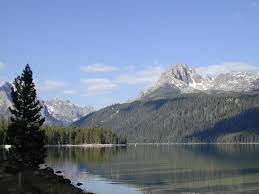
So far just 42 sockeye salmon completed the 900-mile swim through eight dams from the Pacific Ocean to Idaho’s Sawtooth Basin, an even lower return of the endangered fish to the basin than in 2015 when warm water in the Columbia and Snake rivers killed 90 percent of the run before they arrived at Ice Harbor Dam.

A new report on the value and vulnerability of juvenile salmon habitat in northern British Columbia’s Skeena River reveals how climate change and development are critically impacting the region—and provides a historical assessment to help inform the region’s future planning. Collaborators from the Lax Kw’alaams Fisheries Program, the Skeena Fisheries Commission and Simon Fraser University say proactive stewardship will be key.
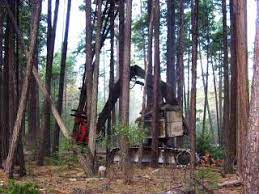
Mechanical thinning alone can calm the intensity of future wildfires for many years, and prescribed burns lengthen thinning’s effectiveness, according to Oregon State University research involving a seasonally dry ponderosa pine forest in northeastern Oregon.

Responding to a petition to list the American bumble bee as an endangered species, the US Fish and Wildlife Service issued this week a 90-day finding indicating that the bumble bee may warrant federal protection under the Endangered Species Act.

Columbia and Snake river waters have warmed 1.5 degrees Centigrade since 1960 and the rivers could warm an additional 1.7 to 2 degrees C by 2100, all due to climate change, with implications for long-term salmon and steelhead survival.

Rather than ocean oxygen levels improving as they usually do this time of year, hypoxia off the Pacific Northwest coast is as bad as it’s been at any point in 2021, according to collaborative research by Oregon State University, the Oregon Department of Fish and Wildlife and Oregon’s crabbing industry.
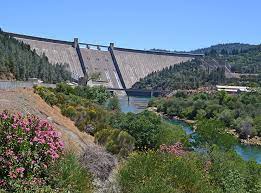
Dams poorly mimic the temperature patterns California streams require to support the state’s native salmon and trout — more than three-quarters of which risk extinction. Bold actions are needed to reverse extinction trends and protect cold-water streams that are resilient to climate warming, according to a study published in the journal PLOS ONE by the University of California, Davis.

Intensive pumping of aquifers during drought can speed up deterioration of groundwater quality, according to a new study by the U.S. Geological Survey. The results highlight clean drinking water supply vulnerabilities in California and other western states currently experiencing record drought conditions.

Unchecked climate change may leave some Arctic predators surviving off of marine “junk food,” according to a new University of British Columbia study.

The Bureau of Reclamation has released the Missouri River Headwaters Basin Study that provides options to meet the increased water demand and a change in the timing of the snowmelt runoff in the Missouri River Basin above Fort Peck Reservoir. The basin covers about 50,000 square miles and is the primary water source for 320,000 people and about 1.1 million acres of irrigated lands.
Federal storage dams in the Willamette River basin are at an average of just 37 percent of capacity, hit hard this year by drought. Overall, they should be at nearly twice that – 68 percent capacity. And there is little in the weather forecast that will change that over the next few weeks.
The potent combination of dams and climate change are the major contributing factors of warm water temperatures impacting salmon and steelhead in the Columbia and Snake rivers, according to a document released by the Environmental Protection Agency this week.

The National Marine Fisheries Service denied two petitions this week that, if they had been approved, would have separated spring chinook from the fall chinook evolutionary significant unit along two areas of the Oregon and California coast. The petitions also asked for spring chinook, once separated from its fall chinook ESU, to be listed separately as a threatened or endangered species under the federal Endangered Species Act.

Nearing the end of the 2021 sockeye salmon migration in the Snake River basin, river managers and the state of Idaho have adopted a hybrid approach to ensure as many of the endangered adult migrants complete their long journey up the Salmon River and into the Stanley Basin.

Yakama Nation Fisheries and the U.S. Fish and Wildlife Service have been working together to help some of the thousands of sockeye salmon in peril due to the abnormally warm water temperatures across the Columbia River Basin.

An informal coalition of fisheries-focused conservation groups is urging the fish and wildlife commissions in Oregon and Washington to step up to save summer steelhead in a year when their returns are at the lowest numbers since Bonneville Dam was built and in a year when water temperatures threaten their migration.
The $1.2 trillion infrastructure package approved by the U.S. Senate this week includes a $2.855 billion investment in salmon recovery and ecosystem restoration programs, as well as tens of billions of dollars allocated for water infrastructure.

Marine heatwaves in the Pacific Ocean will increase in both intensity and duration as will ocean acidification along the Pacific Northwest coast, says the latest report from the Intergovernmental Panel on Climate Change released this week.
Many commonly-eaten fish could face extinction as warming oceans due to climate change increases pressure on their survival while also hampering their ability to adapt.
Politicians are more likely to tweet about climate change if they are Democrats, represent wealthier districts and if their constituents are concerned about the climate, according to a new Cornell University study. Meanwhile, communities most at risk from climate change are less likely to see their political leaders tweet about it, the multidisciplinary team of researchers said.
Firefighters have reported that Western wildfires are starting earlier in the morning and dying down later at night, hampering their ability to recover and regroup before the next day’s flareup.

The U.S. Environmental Protection Agency and Environment and Climate Change Canada have released their joint “The Health of the Salish Sea Report” analyzing 10 indicators of the health of the Salish Sea, the shared estuary that includes the Strait of Juan De Fuca, Puget Sound, and Georgia Basin.
In the United States, climate change is controversial, which makes communicating about the subject a tricky proposition.
At the end of February, much of the Columbia River basin showed near to above normal water supply forecasts. But with dry weather taking hold in March, and staying there, the picture now is quite dire, with some areas facing the driest April-September water volume on record.

Roadless national forests in the American West burn more often and at a slightly higher severity than national forests with roads, but the end result for the roadless forests is greater fire resilience, Oregon State University researchers say.
Major ecosystem changes like sea-level rise, desertification and lake warming are fueling uncertainty about the future. Many initiatives – such as those fighting to fully eradicate non-native species, or to combat wildfires – focus on actively resisting change to preserve a slice of the past.
A team of scientists has devised a more accurate way to predict the effects of climate change on plants and animals — and whether some will survive at all.

Idaho will begin a trap and haul operation at Lower Granite Dam July 6 to rescue endangered Snake River sockeye salmon, an operation they first did during the heat-caused sockeye die off in 2015.
Human-caused wildfire ignitions in Central Oregon are expected to remain steady over the next four decades and lightning-caused ignitions are expected to decline, but the average size of a blaze from either cause is expected to rise, Oregon State University modeling suggests.
Smolt-To-Adult returns. SARs. The BENCHMARK of Columbia/Snake River basin salmon and steelhead recovery. And in recent years the SARs benchmark – tagged, tracked fish– is screaming bad news for Snake River salmon and steelhead. Bringing these fish back from the brink as the regional climate warms requires urgency.

The global abundance of salmon in the Pacific Ocean in 2020 based on commercial catch was the lowest since 1982 and in North America the catch was the lowest since 1977, despite a record number of hatchery releases the year before, according to a report released in May 2021 by the North Pacific Anadromous Fish Commission of Vancouver B.C.

The Canadian government last week announced a $647 million strategy to save Pacific salmon, aiming to stop the declines now while helping rebuild populations over the longer term.

Earth’s climate is determined by a delicate balance between how much of the Sun’s radiative energy is absorbed in the atmosphere and at the surface and how much thermal infrared radiation Earth emits to space. A positive energy imbalance means the Earth system is gaining energy, causing the planet to heat up. Now, NOAA and NASA researchers have found that Earth’s energy imbalance approximately doubled during the 14-year period from 2005 to 2019.
Scientists and local restoration communities are now seeking new ways to implement habitat restoration so that Northern California rivers and streams can support healthy salmon and steelhead populations again. Hence, SHaRP, Salmonid Habitat Restoration Priorities.
Is the availability of water to meet all instream (flows for fish) and out-of-stream demands vulnerable to expected changes in climate and population growth in eastern Washington?
After being put on hold during the four years of the Trump Administration, the Environmental Protection Agency is relaunching its Climate Change Indicators in the United States website for the public.
From the Pacific Northwest to the Rocky Mountains, summers in the West are marked by wildfires and smoke. New research from the University of Utah ties the worsening trend of extreme poor air quality events in Western regions to wildfire activity, with growing trends of smoke impacting air quality clear into September.
NOAA will soon release a much-anticipated update of U.S. climate data for placing recent weather conditions—such as heat waves and flooding rain—into historical context.

As the climate warms and more and more cascading streams dry up, changing those streams to disconnected puddles that trap migrating juvenile salmon and steelhead, humans may have to step in to rescue the fish. Without this intervention, some stocks may go extinct, according to a recent study.

Warm river habitats appear to play a larger than expected role supporting the survival of cold-water fish, such as salmon and trout, a new Oregon State University-led study found.
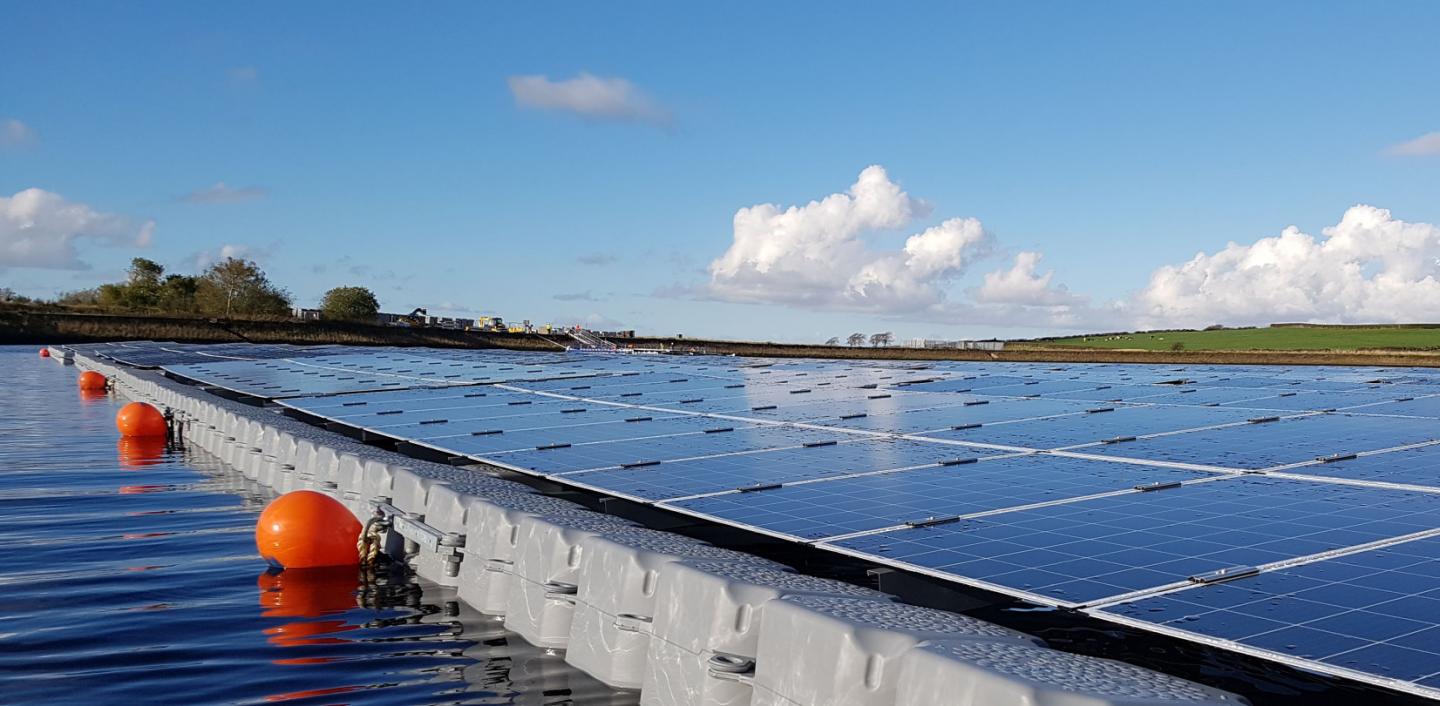
Floating solar farms could help to protect lakes and reservoirs from some of the harms of climate change, a new study suggests.
Last month 68 leading salmon and fisheries scientists sent a letter to Northwest governors, the Northwest congressional delegation, and policymakers that summarizes actions they say are necessary to protect and restore abundant salmon and steelhead runs to the Columbia/Snake river basin. Subject: “Scientists’ letter on the need for lower Snake River dam removal to protect salmon and steelhead from extinction and restore abundant, fishable populations.”

Looking at weather and climate indicators, a leading ocean scientist says conditions along the West Coast are good for fish, at least momentarily. However, climate change will cause conditions for salmon to continue to deteriorate and that will negatively impact runs of Columbia River basin salmon and steelhead runs in the future.

Oregon wildfires threatened multiple cities in summer 2020, destroyed more than 4,000 homes, filled the air with smoke for days and burned more than 1 million acres, the second highest one-year total in state history.

As the planet warms, scientists expect that mountain snowpack should melt progressively earlier in the year. However, observations in the U.S. show that as temperatures have risen, snowpack melt is relatively unaffected in some regions while others can experience snowpack melt a month earlier in the year.

NOAA Fisheries is using life-cycle modeling that projects threatened Snake River spring/summer chinook salmon will experience starkly lower survival rates during their years in the ocean in the future compared to now. Unusually warm temperatures—including a 2014-2015 marine heatwave— have depressed salmon returns to many West Coast rivers, including the Snake and Columbia.
For decades, climate change researchers and activists have used dramatic forecasts to attempt to influence public perception of the problem and as a call to action on climate change. These forecasts have frequently been for events that might be called “apocalyptic,” because they predict cataclysmic events resulting from climate change.
The Columbia River basin will see an increase in flooding over the next 50 years as a result of climate change, new modeling from Oregon State University indicates.

An Earthwise Knowledge Initiative Publication
