
NOAA Says Washington Coast Chinook Salmon Population Shows ‘High Overall Abundance,’ Denies Request For ESA Listing
A petition to list Washington coast Chinook salmon under the federal Endangered Species Act has been denied by NOAA Fisheries.

A petition to list Washington coast Chinook salmon under the federal Endangered Species Act has been denied by NOAA Fisheries.

Fish-eating killer whales in southern Alaska have a diverse, seasonally changing diet featuring salmon and groundfish, according to a recently published study in the journal Ecosphere.

State fisheries managers have set the initial opening for recreational spring Chinook salmon angling on the mainstem Columbia River from Buoy 10 near Astoria, OR to the Oregon and Washington state line near Pasco, WA.

A federal project that will expand and improve navigation in areas of the Columbia River near Longview and Kalama took a step toward completion when the U.S. Army Corps of Engineers concluded in its environmental review of the project that it would cause no significant impacts to fish and wildlife.

The U.S. Army Corps of Engineers, Portland District, is vowing to become more efficient when approving and building infrastructure projects.

The Bonneville Power Administration’s first quarter financial forecast shows mixed results for the agency’s expected end-of-year performance.

The Center for Biological Diversity has filed a lawsuit challenging the U.S. Fish and Wildlife Service’s refusal to develop a national gray wolf recovery plan under the Endangered Species Act.

A federal judge signaled that he could accept at least some operational changes at lower Columbia and Snake river dams proposed by the state of Oregon and conservation groups in October.

A debilitating hoof disease affecting elk herds across the Pacific Northwest appears to be driven not by a single pathogen but by multiple bacterial species working together, according to a study led by researchers in Washington State University’s College of Veterinary Medicine.

Columbia River salmon recovery programs fared better in the 2026 federal budget than tribes, advocates, bureaucrats and biologists feared.

Forecasts for the 2026 runs of spring and summer Chinook salmon and winter steelhead into the Columbia River are coming in lower than last year’s actual returns for each of the stocks, according to a joint state and tribe stock status report.

John Hairston, who has served as administrator and chief executive officer of the Bonneville Power Administration since January 2021, is announcing his retirement from federal service. He’s headed to the Eugene Electric and Water Board as its new general manager.

A new analysis shows that the Pacific Northwest’s mature and old-growth forests are most at risk of severe wildfire in areas that historically burned frequently at lower severity.

The California Department of Fish and Wildlife has reached a significant goal in conservation science by gaining the ability to study more closely the behavioral patterns of the Sierra Nevada red fox in the southern Sierra Nevada.

Canada is failing in a decades-old pledge to monitor the health of Pacific salmon, according to new research from Simon Fraser University.

A proposed clean energy pump storage generating project near the John Day Dam on the Columbia River cleared another hurdle last week when the Federal Energy Regulatory Commission issued the project a 40-year operating license, despite opposition by the Yakama Nation and environmental groups.

On Jan. 13, while many of Idaho’s anglers were breaking out the tape measure to check ice thicknesses and temperature gauges, one angler at Dworshak Reservoir had his tape measure out for a different reason.

A new study shows that interactions between wolves and cougars in Yellowstone National Park are driven by wolves stealing prey killed by cougars and that shifts in cougar diets to smaller prey help them avoid wolf encounters.

A warm and mostly dry January has depleted most of the lower level snowpack around the Columbia River basin, with record low or near record low snowpack in the Oregon and southern Washington Cascade Mountains, a condition that could contribute to lower stream flows that will be needed for salmon and steelhead migrations this spring and summer.

The Center for Biological Diversity released an analysis that it says shows that a two-decade, state-led voluntary conservation agreement has not produced a measurable increase in the abundance of critically imperiled Arctic grayling in Montana’s Big Hole River.

The Washington Department of Fish and Wildlife’s multi-year moose monitoring project is now entering its third winter. Warmer winters, changing habitat, increased parasites, and predation impacts raise questions about the status and trajectory of Washington’s moose population.

Most anglers that wind up atop the Idaho state record fish leaderboards do so out of pure luck. But Robert Gregory’s story goes a little different.

For the fourth year in a row, recreational retention of white sturgeon in the Columbia River downstream of Bonneville Dam and in the Willamette River will remain closed, although catch and release angling is likely this year.

The United States includes more than 4 million miles of rivers, with laws and regulations to protect access to drinking water and essential habitat for fish and wildlife.

During 2025, Montana Fish,Wildlife and Parks staff inspected more than 120,000 watercraft.

In a strongly-worded rebuttal to a December motion to dismiss by federal defendants in U.S. District Court, plaintiffs challenging the operation and maintenance of the Columbia/Snake river hydroelectric system of dams questioned why, after 24 years and eight complaints since 2001, that the federal government is now moving to dismiss the case for lack of subject matter jurisdiction.

Washington Ecology Department Announces $40 Million Available In Grants For Streamflow Restoration

Oregon State University research into marine protected areas plays a crucial role in the historic “High Seas Treaty” that went into effect Jan. 17.

NOAA Fisheries concluded this month that Olympic Peninsula wild steelhead is not in danger of extinction, nor will the distinct population segment of the steelhead likely become so in the foreseeable future.

The Portland District, U.S. Army Corps of Engineers is taking action to clean up contaminated areas at Bradford Island, part of Bonneville Dam, including a former pistol range and landfill.

The Bonneville Power Administration has executed new long-term wholesale electric power contracts with more than 130 Northwest public utility customers this fall.

The decline, the report says, is due to marine conditions that have been mixed and trending downwards since 2023, including adverse upwelling patterns and copepod community structure.

U.S. District Court Judge Michael H. Simon on Dec. 19, 2025, released his order that sets the date for oral arguments in the case for the afternoon of Feb. 6 in Portland.

An annual report by fisheries managers confirmed for the sixth year running that under climate change and poor river flows, smolt-to-adult return rates of Columbia River basin salmon and steelhead will not meet regional goals.

As salmon return to the headwaters of the Klamath River for the first time in over a century, the newly formed Klamath Indigenous Land Trust (KILT) and PacifiCorp announced the landmark purchase of 10,000 acres in and around the former reservoir reach of the river.

This summer, several juvenile coho salmon were spotted in the Russian River’s upper basin — a first in more than 30 years.

As happens every summer, cold water from Dworshak Dam on the North Fork Clearwater River in Idaho began being released in late June to help keep the tailwater cooler for migrating salmon and steelhead at Lower Granite Dam downstream on the lower Snake River.

A vitamin deficiency likely killed as many as half of newly hatched fry of endangered winter-run Chinook salmon in the Sacramento River in 2020 and 2021. These new findings were published in the Proceedings of the National Academy of Sciences.

More summer Chinook salmon will enter the Columbia River than was previously forecasted, allowing Oregon and Washington to open the river to recreational angling from its mouth to the two-state border near Pasco, WA for eight days.

Montana’s wolf population has remained relatively stable in the past few years with only slight declines in the statewide population estimates, according to the 2024 Montana Fish, Wildlife & Parks annual wolf report.

A century after wolves were wiped out in California, the animals have mounted a promising comeback in the state, with a small population that has grown to at least 50 wolves.

The study, published June 20 in Nature Sustainability, details a new system for leasing rights to water from the basin while reallocating some water to imperiled habitats.

NOAA has developed a new high-resolution ocean model to understand and predict West Coast ocean changes.

This spring, Oregon Department of Fish and Wildlife staff deployed large nets in northeast Oregon’s Wallowa Lake to monitor fish population trends and assess the impact of lake trout on other species.

The Washington Department of Fish and Wildlife will hold a virtual public meeting on April 1, from 6–8 p.m., to discuss potential harvest management strategies for Lower Columbia River tributary fisheries.

Oregon and Washington fishery managers on March 13 closed the only area where recreational anglers can currently catch and keep white sturgeon on the mainstem Columbia River – the John Day Dam pool up to The Dalles Dam.

2025 is forming to be the third consecutive year of low Columbia River basin water supplies, with the latest forecast April-September at The Dalles Dam of just 85 percent of the 30-year average, according to a NOAA water supply briefing this week.

An economic study of its fish hatcheries that was funded over the past year by the Oregon Department of Fish and Wildlife found that trout are by far the least expensive fish to produce at less than $10 per fish harvested, while summer steelhead costs the state nearly $500 per fish harvested, according to a presentation by ODFW before the Oregon Fish and Wildlife Commission in February.

The U.S. Army Corps of Engineers is in the process of revamping the dam’s northern-most fish ladder near the Washington shore at a cost of some $8 million. According to the Corps, the project is changing out a portion of the fish ladder, which spans 800 feet from top to bottom, that was originally a serpentine passage of concrete walls, called baffles, with a newer baffle design more friendly to lamprey.

New research shows that wild birds can account for much of the avian influenza virus evidence found in wastewater in Oregon, suggesting wastewater detections of the virus do not automatically signal human, poultry or dairy cattle cases of bird flu.

Salmon are swimming again in California’s North Yuba River for the first time in close to a century. The fish are part of an innovative pilot project to study the feasibility of returning spring-run Chinook salmon to their historical spawning and rearing habitat in the mountains of Sierra County.

The California Department of Fish and Wildlife reports that the state currently has seven known wolf families amid changing pack dynamics and areas of new wolf activity. California now has around 50 known wolves, according to the state wolf coordinator — up from around 49 at the end of 2023. That modest increase comes despite…

As climate change accelerates, mature forests may struggle to survive. A recent study reveals that older trees retain a ‘memory’ of past water conditions, making it harder for them to adapt to drier environments.

University of Idaho researchers have developed a mathematical model that simplifies the way scientists understand changes in glacier movement. This new approach demonstrates that diverse patterns of ice flow — ranging from short-term fluctuations to multiyear trends — can be explained using a single set of fundamental equations.

The Washington Department of Ecology is hosting a public meeting March 17 to discuss how it will implement a long-awaited Total Maximum Daily Load plan for temperature in the Columbia and lower Snake rivers. The two rivers are included in Washington’s 303(d) list of impaired bodies of water due to their persistent high water temperatures…

From the Columbia River Estuary to the farthest reaches of the stormy Gulf of Alaska in the middle of winter, Dr. Laurie Weitkamp has gone far and wide to study and better understand the salmon and steelhead that are the lifeblood of Northwest rivers and cultures. Last month the Oregon Chapter of the American Fisheries Society presented Weitkamp with its Lifetime Achievement Award.

The Pacific Salmon Commission’s Northern and Southern Funds have selected 83 projects to receive a total of $9.5M USD in funding for 2025.

Since the 1990s, the decline in numbers of southern resident killer whales in Puget Sound has followed a biennial pattern; births decline and deaths rise in even-numbered years. That biennial pattern matches the decline of Chinook salmon spawner abundance while abundance of pink salmon in the North Pacific and in Puget Sound rivers has risen, according to a study published this month.

There is a new mouth to feed in the coastal waters of the Northwest where juvenile salmon first enter the ocean, and it’s a hungry one.

A federal agency and a state agency have jointly completed a study on the impacts that breaching the four lower Snake River dams would have on water supplies and irrigation.

Oregon is becoming warmer and more prone to drought and will see less snow due to climate change, but people and businesses are also adapting to the challenges of a warming planet, the latest Oregon Climate Assessment indicates.

Floodplain restoration projects designed to improve instream habitat conditions for anadromous fish resulted in an increase in the numbers of juvenile salmon and steelhead, according to a recent study that examined segments of 17 habitat restoration projects in the Columbia River basin.

How did climate change impact ocean waters off the U.S. West Coast this past year? What does that tell us about the growth and survival of juvenile salmon for the years to come?

Increased spill levels at Snake and Columbia river dams, along with lower water flow in the rivers, hampered the ability of scientists to tag and detect juvenile salmon and steelhead as they migrated downstream in 2024.

The U.S. Environmental Protection Agency is acting on its commitment to three Northwest tribes by issuing an advance notice of proposed rulemaking (ANPR) to collect information on the risks of 6PPD quinone in tires, known to be toxic in stormwater runoff to coho salmon and steelhead in Puget Sound.

Sustainable rates of groundwater withdrawal in southeast Oregon’s Harney Basin were surpassed 20 years prior to the time declining groundwater levels were generally recognized, a new analysis found.

The world’s freshwater lakes are freezing over for shorter periods of time due to climate change. This shift has major implications for human safety, as well as water quality, biodiversity, and global nutrient cycles, according to a new analysis from an international team of researchers.

Oregon State University researchers have received a $1 million grant to study the impact of adding seaweed to the diets of beef cattle as a way to reduce greenhouse gas emissions.

An international coalition led by Oregon State University scientists concludes in its annual report published this month that the Earth’s worsening vital signs indicate a “critical and unpredictable new phase of the climate crisis” and that “decisive action is needed, and fast.”

In a recent review, a panel of scientists said the Northwest Power and Conservation Council’s Fish and Wildlife Program for the Columbia River basin is still changing and progressing after 40 years of implementation, but will need further updates and improvements, including a better strategy for incorporating climate change into the Program and a more comprehensive analysis of the outcome of removing the four lower Snake River dams.

Oregon and Washington opened the entire mainstem Columbia River to fall Chinook and coho salmon fishing from Buoy 10 to the Oregon and Washington state border last week. The change by the two-state Columbia River Compact came at its Sept. 18 hearing and was based on an increase in expected fall Chinook returns, as well as higher than average returns of coho.

Artificial intelligence analysis of data gathered by acoustic recording devices is a promising new tool for monitoring the marbled murrelet and other secretive, hard-to-study species, research by Oregon State University and the U.S. Forest Service has shown.

In the 1940s and 1950s, the ocean off the coast of Los Angeles was a dumping ground for the nation’s largest manufacturer of the pesticide DDT – a chemical now known to harm humans and wildlife. Due to the stubborn chemistry of DDT and its toxic breakdown products, this pollution continues to plague L.A.’s coastal waters more than half a century later.

The status of southwest Washington salmon and steelhead listed under the federal Endangered Species Act is generally stable, although none of these fish populations are close to meeting recovery goals, says a recent report by the Lower Columbia Fish Recovery Board and the Washington Department of Fish and Wildlife.

Asotin Creek adult summer steelhead survival is at its lowest in the Bonneville Dam pool as the fish migrate upstream to the Snake River tributary, according to a presentation last week that focused on survival of steelhead listed as threatened under the federal Endangered Species Act. Temperature and harvest (catch and release mortalities) are cited as the main reasons for steelhead struggles in the Bonneville Pool.

Researchers who created “family trees” for nearly 10,000 fish found that first-generation, wild-born descendants of hatchery-origin Chinook salmon in an Oregon river show improved fitness.

Oregon Department of Fish and Wildlife biologists in southern Oregon want to know where steelhead go in the ocean after they spawned in the rivers.

An estimated 1.4 million spring/summer Chinook salmon were lost after multiple dams were constructed on the upper Snake River, according to a loss assessment recently completed by the Upper Snake River Tribes Foundation.

urvival of Columbia River basin salmon and steelhead is poor – in most cases less than 2 percent smolt to adult returns – compared to a Northwest Power and Conservation SARs goal of 6 percent, according to a presentation at the Council’s March meeting.

The California Current ecosystem is a vital ocean system stretching from Washington to Baja California. It is facing a strong 2024 El Niño event, a cyclical warming of the Pacific Ocean. However, the latest information from NOAA’s Integrated Ecosystem Assessment program suggests the ecosystem is better positioned to weather these changing conditions than previous El Niño events.

Marine heat waves in the northeast Pacific Ocean create ongoing and complex disruptions of the ocean food web that may benefit some species but threaten the future of many others, a new study has shown.

Oregon State University researchers are leading an effort to refine the design and expand use of oxygen monitoring sensors that can be deployed in fishing pots to relay critical information on changing ocean conditions to the fishing industry.

Walleye are one of the most sought-after species in freshwater sportfishing, a delicacy on Midwestern menus and a critically important part of the culture of many Indigenous communities. They are also struggling to survive in the warming waters of the midwestern United States and Canada.

Fish exposed to some pesticides at extremely low concentrations for a brief period of time can demonstrate lasting behavioral changes, with the impact extending to offspring that were never exposed firsthand, a recent study found.

Millions of tons of plastic waste enter the oceans each year. The sun’s ultraviolet light and ocean turbulence break down these plastics into invisible nanoparticles that threaten marine ecosystems.

Hatchery-reared salmon show genetic differences from wild populations in only a few generations, but those differences vary among hatcheries.

The pore-like structure of permeable pavements may help protect coho salmon by preventing tire wear particles and related contaminants from entering stormwater runoff, according to a Washington State University study.

In a study that could help reshape understanding and management of water resources in the Western United States, David Ketchum, a 2023 graduate of the University of Montana systems ecology Ph.D. program, has unveiled a 35-year analysis quantifying the interconnected impacts of climate change and irrigation on surface water flows.

Toxic chemicals produced from oil emissions and wildfire smoke have been found in muscle and liver samples from Southern Resident killer whales and Bigg’s killer whales.

Mercury concentrations are twice as high in smallmouth bass found in reservoirs than those in the free-flowing sections of the Snake River in Idaho and Oregon, according to a joint U.S. Geological Survey and Idaho Power Company study that looked at 1,815 specimens of this popular recreational fishing species from a variety of habitats in 31 sites along 530 miles of the Snake River.

More than 93% of young Chinook safely passed Rocky Reach Hydroelectric Project last spring, says Chelan PUD. The results represent the most successful survival study of yearling Chinook in the 21-year history of the Rocky Reach Habitat Conservation Plan.

Forest modeling by Oregon State University scientists shows that a site’s productivity – an indicator of how fast trees grow and how much biomass they accumulate – is the main factor that determines which time period between timber harvests allows for maximum above-ground carbon sequestration.

Firsthand observations of a wolf hunting and killing a harbor seal and a group of wolves hunting and consuming a sea otter on Alaska’s Katmai coast have led scientists to reconsider assumptions about wolf hunting behavior.

An international coalition of climate scientists says in a paper published this week that the Earth’s vital signs have worsened beyond anything humans have yet seen, to the point that life on the planet is imperiled.

High spill volumes to maximum total dissolved oxygen levels in order to reduce passage of juvenile salmon smolts through turbines at federal Columbia and Snake river dams is likely to be most effective at night, during high river flows and when temperatures are colder, according to a recent study. These are times when juveniles are less active and their swimming ability is low.

Chinook, coho and sockeye salmon are in steep decline in the North Pacific and one of the causes is the proliferation of pink salmon, many of which originate from Russian, Japanese and Alaskan fish hatcheries, according to a recent study by scientists in Alaska, Canada and Washington.

The Western United States is losing its glaciers. A new inventory from Portland State University researchers shows that some glaciers have disappeared entirely, some no longer show movement, some are too small to meet the 0.01 square kilometer minimum and some are actually rock glaciers — rocky debris with ice in the pore spaces.

With climate change, some spawning habitat in British Columbia could actually expand, peaking in area around 2060, according to a recent study that looked at current stream habitat and projected future favorable spawning habitat as the climate warms.

Researchers who study water resources want to know how much snow an area will get in a season. The total snowpack gives scientists a better idea of how much water will be available for hydropower, irrigation and drinking later in the year.
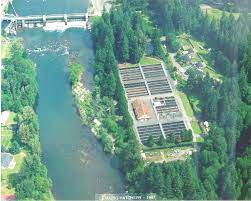
For over a century, fish hatcheries across the world have produced salmonids to supply fisheries, mitigate habitat loss and boost depleted stocks. A newly published review of scientific literature examining the impacts of these programs on wild (i.e., naturally produced) salmonids shows that over 80 percent of global, peer-reviewed research on the topic has found that hatchery fish have adverse effects on wild salmonid populations in freshwater and marine environments.

A relatively simple, inexpensive method of filtering urban stormwater runoff dramatically boosted survival of newly hatched coho salmon in an experimental study. That’s the good news for the threatened species from the Washington State University-led research. The bad news: unfiltered stormwater killed almost all of them.

New research has found that marine heat waves – prolonged periods of unusually warm ocean temperatures – haven’t had a lasting effect on the fish communities that feed most of the world.

New research from the University of Washington and Polar Bears International in Bozeman, Montana, quantifies the relationship between greenhouse gas emissions and the survival of polar bear populations.

Shifting ocean conditions associated with climate change will likely send high-value sablefish into deeper waters off the West Coast, new research shows. That could make the fish tougher to catch and force fishing crews to follow them or shift to other, more accessible species.

A growing American white pelican population on an island in the mid-Columbia River basin could be a new threat to salmon and steelhead. The large white birds not only scoop out batches of juvenile fish, they also have been known to eat adult salmon, including sockeye salmon and other fish as large as 29 inches.
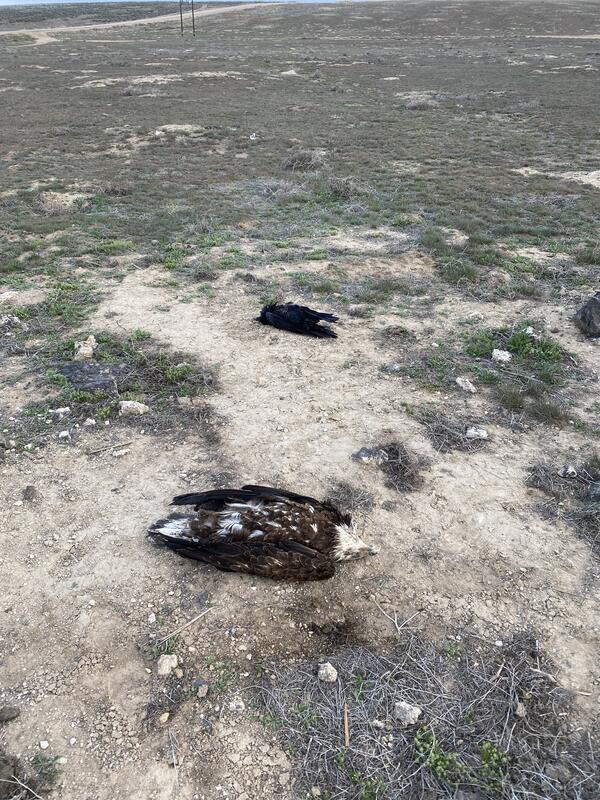
A study examining protected birds found dead along power lines on public lands in the western U.S. shows that gunshot deaths were three times more common than deaths from other causes.

The next step in Oregon State University’s construction of a wave energy testing facility off the Oregon Coast is visible to residents and visitors to the area this month.

Climate change has led to earlier spring blooms for wildflowers and ocean plankton but the impacts on salmon migration are more complicated, according to new research.

Scientists analyzed more than 650 dam removal projects over 55 years in the United States totaling $1.52 billion inflation-adjusted dollars to develop a tool to better estimate the cost of future dam removals.

Researchers in the Oregon State University College of Engineering are developing technology to convert wastewater into a product that would simultaneously irrigate and fertilize crops.

Since 1980, fires have gotten significantly larger and more severe across California and the western United States, vastly increasing the amount of destruction they cause.

A recent study has revealed that climate change has had a profound impact on the Colorado River Basin between the years 2000 and 2021. The study shows that over this period, more than 40 trillion liters (10 trillion gallons) of water were lost due to climate change effects, which is roughly equivalent to the entire storage capacity of Lake Mead.

Do the effects of juvenile salmon and steelhead passage through the four lower Snake River dams carry over into later life stages, contributing to high mortality in the ocean and far too low smolt-to-adult returns to the Snake River basin? In other words, does the stress of dam passage lead to delayed mortality?

The invasive Asian clam is more common in the lower Columbia River than its native habitat of southeast Asia, according to a study of the clam’s abundance in the river.

Rates of Chinook salmon bycatch in the Pacific hake fishery rise during years when ocean temperatures are warmer, a signal that climate change and increased frequency of marine heatwaves could lead to higher bycatch rates, new research indicates.

New research led by the University of Washington uses data collected by coastal residents along beaches from central California to Alaska to understand how seabirds have fared in recent decades. The paper shows that persistent marine heat waves lead to massive seabird die-offs months later.

A new study of North American songbirds finds that birds can’t keep up with the earlier arrival of spring caused by climate change. As a result, they’re raising fewer young.
In a recently published study, scientists investigating the endangered southern resident killer whales have made a noteworthy observation: the prevalence of skin disease within this population has shown a significant increase.

Specially designed gardens could reduce the amount of a salmon-killing toxic chemical associated with tires entering our waterways by more than 90 per cent, new research shows.

The Center for Biological Diversity filed a formal notice of its intent to sue the Oregon and California state transportation agencies for failing to consider fatal impacts to salmon from toxic tire pollution.

Wildfires have become increasingly frequent due to climate change, with record occurrences in areas not historically prone to them. In California, wildfires and regional power shutoffs have cost billions and taken lives. For some 46 million Americans living next to forests – at what scientists call the “wildland-urban interface” (WUI) – the risks of wildfire can be especially acute.

The breeding season for avian predators, March–August, overlaps with the peak out-migration of juvenile salmon and steelhead, April — August, according to a recent survey of literature that looked specifically at peer-reviewed studies of Caspian terns, double-crested cormorants and gulls that prey on salmonids in the Columbia River basin.

U.S. Sen. Maria Cantwell (D-WA) this week joined U.S. Secretary of Commerce Gina Raimondo and NOAA Administrator Rick Spinrad to announce an $83 million commitment to rebuild the Northwest Fisheries Science Center in Seattle, $240 million for Northwest salmon and steelhead hatchery infrastructure, and $60 million for Mitchell Act hatcheries.

In early 2014, a great anomaly descended upon the seas: A patch of warm water that manifested in the Gulf of Alaska. Scientists called it “The Blob.”

As the ocean warms, marine fish are on the move—beyond their traditional habitats and across international boundaries. Understanding these patterns of movement is essential to predicting change and managing climate-resilient fisheries.

Grizzly bears in the Greater Yellowstone Ecosystem have been able to gain the body fat they need for hibernation even as population densities have increased and as climate change and human impacts have changed the availability of some foods, according to a new study by the U.S. Geological Survey and its partners.

A team of Oregon State University researchers is leading a three-year effort to learn more about climate fluctuations in Olympic Coast National Marine Sanctuary using more than 20 years of oceanographic data.

For the first time, a newly published artificial intelligence (AI) algorithm is allowing researchers to quickly and accurately estimate coastal fish stocks without ever entering the water. This breakthrough could save millions of dollars in annual research and monitoring costs while bringing data access to least-developed countries about the sustainability of their fish stocks.

A new study assesses the marine distribution of dozens of infectious agents in wild Pacific salmon in the marine environment. The novel study reveals where salmon populations have experienced infection “hotspots,” some featuring potentially detrimental pathogens.

Researchers from NOAA Fisheries and University of California Santa Cruz are tagging several groups of juvenile salmon in the Sacramento River system to help measure the benefits from the river’s first “pulse flow.” A pulse flow is a rapid increase and decrease in dam released water designed to resemble natural spring runoff.

A new study offers a comprehensive look at the state of North American wild Chinook salmon. Researchers say findings hold new insights for fisheries managers looking to address wide-ranging declines among Chinook stocks.

The amount of sediment carried by Columbia River waters to the Pacific Ocean has declined by about half since Bonneville Dam was built in 1935. Much of the sediment no longer moved by the river has found a home at the mouths of tributaries, creating shallow sediment fans or deltas where warm water and predators impact juvenile salmon and steelhead, some listed under the federal Endangered Species Act.
Deteriorating habitat conditions caused by climate change are wreaking havoc with the timing of bird migration.

The Columbia River carries a lot of sediment from the interior. As North America’s largest river by volume flowing into the Pacific Ocean, every year the Columbia transports an estimated 5 million tons of sediment downstream.
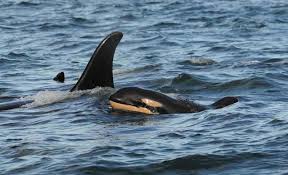
The small size and isolation of the endangered population of Southern Resident killer whales in the Pacific Northwest have led to high levels of inbreeding. This inbreeding has contributed to their decline, which has continued as surrounding killer whale populations expand, according to research published in Nature Ecology and Evolution.

Bald Eagles and dairy farmers exist in a mutually beneficial relationship in parts of northwestern Washington State. According to a new study, this “win-win” relationship has been a more recent development, driven by the impact of climate change on eagles’ traditional winter diet of salmon carcasses, as well as by increased eagle abundance following decades of conservation efforts.
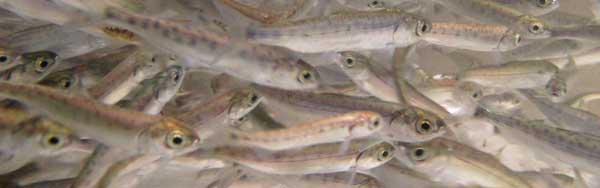
Good years in the Pacific Ocean for salmon and steelhead, as the last couple of years have been, are an anomaly. Instead, ocean conditions are generally trending downward, according to a NOAA Fisheries scientist briefing the Northwest Power and Conservation Council.

In the Pacific Northwest and British Columbia, scientists have been sounding the alarm about the plight of southern resident orcas. Annual counts show that population numbers, already precarious, have fallen back to mid-1970s levels.

Ecological relationships across the Pacific Coast that once guided annual expectations such as salmon returns are evolving as climate change disrupts long-standing connections. NOAA Fisheries researchers report these findings in their latest Ecosystem Status Report for the California Current Ecosystem.

By returning to spawn in the Sacramento River at different ages, Chinook salmon lessen the potential impact of a bad year and increase the stability of their population in the face of climate variability, according to a new study by scientists at UC Santa Cruz and NOAA Fisheries.

An international collaboration led by Oregon State University scientists has identified 27 global warming accelerators known as amplifying feedback loops, including some that the researchers say may not be fully accounted for in climate models.

Glacier National Park is home to around 50 Canada lynx, more than expected, surprising scientists who recently conducted the first parkwide occupancy survey for the North American cat.
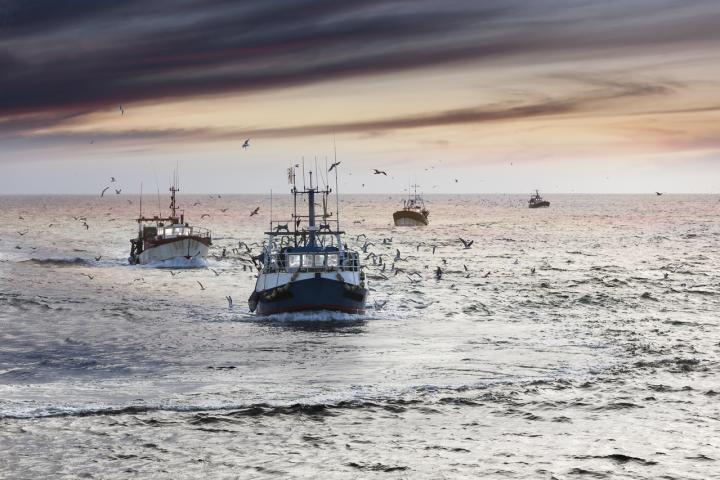
New research examines how Chinook salmon from West Coast rivers travel through the ocean. It shows that endangered Southern Resident killer whales do not have access to as many salmon prey as previously thought.

For an animal whose population barely tops 2,000, Montana’s grizzly bears hold an outsized presence in the psyche and politics of the Treasure State.
Raising sons is an exhausting experience that leaves killer whale mothers far less likely to produce more offspring, new research shows.

Wolves on an Alaskan island caused a deer population to plummet and switched to primarily eating sea otters in just a few years, a finding scientists at Oregon State University and the Alaska Department of Fish and Game believe is the first case of sea otters becoming the primary food source for a land-based predator.

The western bumble bee was once common in western North America, but increasing temperatures, drought, and pesticide use have contributed to a 57% decline in the occurrence of this species in its historical range, according to a new U.S. Geological Survey-led study.

Snow-capped mountains aren’t just scenic – they also provide natural water storage by creating reservoirs of frozen water that slowly melt into watersheds throughout the spring and summer months. Much of the Western U.S. relies on this process to renew and sustain freshwater supplies, and new research underscores the impacts of extreme weather conditions on this annual cycle.
Microplastics—tiny particles generated as plastics weather and fragment—pose a growing threat to ecosystem and human health. A new laboratory study shows these threats extend beyond direct physical or chemical impacts, revealing that the presence of microplastics increases the severity of an important viral fish disease.

There is a “preponderance” of evidence that sea lions and seals (pinnipeds) in Washington’s Salish Sea and outer coast have contributed to the decline of salmon and steelhead in state waters, concludes a recent report by the Washington State Academy of Sciences.

New research shows that the wettest and most extreme winter storms in the Western United States are only growing wetter and larger. These powerful storms are changing shape in a warmer world, sprawling to drench more land while simultaneously growing more intense at their cores.
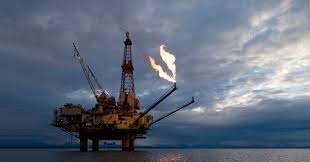
Climate projections reported by ExxonMobil scientists between 1977 and 2003 were accurate and skillful in predicting subsequent global warming and contradicted the company’s public claims, a new Harvard study shows.

A long-term Pacific Northwest study of landslides, clear-cutting timber and building roads shows that a forest’s management history has a greater impact on how often landslides occur and how severe they are compared to how much water is coursing through a watershed.

Douglas-fir trees will likely experience more stress from drier air as the climate changes than they will from less rain, computer modeling by Oregon State University scientists shows.

A chemical used in the production of toilet paper and ‘forever chemicals’ have been found in the bodies of orcas in British Columbia, including the endangered southern resident killer whales.

Researchers project that most glaciers in western Canada will be gone in 80 years.

More than a century of preserved fish specimens offer a rare glimpse into long-term trends in parasite populations. New research from the University of Washington shows that fish parasites plummeted from 1880 to 2019, a 140-year stretch when Puget Sound — their habitat and the second-largest estuary in the mainland U.S. — warmed significantly.

National parks are the backbone of conservation. Yet mounting evidence shows that many parks are too small to sustain long-term viable populations and maintain essential, large-scale ecological processes, such as large mammal migrations and natural disturbance regimes.

A team of scientists generally gave good marks for a long-term, three-phase plan by the Upper Columbia United Tribes to reintroduce salmon and steelhead upstream of two major Columbia River dams that have blocked passage of the fish for 80 years.

Double-crested cormorants will eat many times more salmon and steelhead per bird as a proportion of their diet the farther they are pushed upstream in the Columbia River estuary, according to a presentation this week at the Northwest Power and Conservation Council’s Fish and Wildlife Committee meeting.

The growth rate of seafood farming worldwide peaked in 1996, according to new University of British Columbia research, highlighting the importance of rebuilding wild fish stocks to feed future demand.

As climate change worsens water quality and threatens ecosystems, the famous dams of beavers may help lessen the damage.

The National Oceanic and Atmospheric Administration has awarded Oregon State University and its research partners $4.2 million to investigate how multiple climate change-related stressors are impacting marine ecosystems off the coast of Oregon, Washington and Northern California.
Just as you might look down at the sidewalk as you walk, fish look downward when they swim, a new study by a Northwestern University-led international collaboration has confirmed.

A UCLA-led study published this week reveals that migratory birds across North America are getting smaller, a change the researchers attribute to the rapidly warming climate.
As marine species continue to decline worldwide, the southern resident killer whale population — which now stands at 75 individuals — along the west coast of North America, has baffled scientists who are trying to understand why this population is struggling.

New research from the University of Oxford, Yellowstone National Park, and Penn State, published this week in the journal Science, may have finally solved why wolves change color across the North American continent.

Struggling salmon populations could get some help from the sky. A Washington State University study showed that drone photography of the Wenatchee River during spawning season can be effective in estimating the number of rocky hollows salmon create to lay their eggs, also called “redds.”

Gray whales that migrate along the West Coast of North America continued to decline in number over the last two years, according to a new NOAA Fisheries assessment. The population is now down 38 percent from its peak in 2015 and 2016, as researchers probe the underlying reasons.

Between February and April 2022, five international research vessels participated in the largest ever pan-Pacific research expedition to study the winter ecology of salmon in the North Pacific Ocean.

Since its passage in 1973, the U.S. Endangered Species Act has been the strongest law to prevent species extinctions in the United States, and has served as a model of conservation policy to other nations.

Forecasters are predicting a “three-peat La Niña” this year. This will be the third winter in a row that the Pacific Ocean has been in a La Niña cycle, something that’s happened only twice before in records going back to 1950.

The number of trout in a southern Oregon stream system showed no decline one year after a fire burned almost the entire watershed, including riparian zone trees that had helped maintain optimal stream temperatures for the cold-water fish.

Plastics, now ubiquitous in the modern world, have become a rising threat to human and environmental health. Around the planet, evidence of plastic pollution stretches from grocery bags in the deep sea to microplastics in our food supplies and even in our blood.

A new study led by Oregon State University suggests leaves in forest canopies are not able to cool themselves below the surrounding air temperature, likely meaning trees’ ability to avoid damaging temperature increases, and to pull carbon from the atmosphere, will be compromised in a warmer, drier climate.

Despite decades of resiliency, climate change may put Montana’s popular trout fisheries at risk, according to a new study.
Global fish stocks will not be able to recover to sustainable levels without strong actions to mitigate climate change, a new study has projected.

A new acoustic receiver developed by researchers at Pacific Northwest National Laboratory sends near-real-time fish tracking data to the digital cloud, providing timely information to dam operators and decision-makers about when, where, and how many fish are expected to pass through dams.

Stormwater runoff containing a toxic compound from automobile tires that washes into streams is lethal to protected coho salmon, Pacific steelhead, and Chinook salmon, according to new research published today. In contrast, sockeye salmon seem largely unaffected by the same compounds.

As glaciers worldwide retreat due to climate change, managers of national parks need to know what’s on the horizon to prepare for the future. A new study from the University of Washington and the National Park Service measures 38 years of change for glaciers in Kenai Fjords National Park, a stunning jewel about two hours south of Anchorage.

Though federal and state biologists have agreed to stop releasing hatchery winter and summer steelhead into the Hood River basin, a new study says that hatchery fish spawning in the river have little influence on wild winter steelhead productivity. Other variables, such as stream flow, abundance of sea lions in the Columbia River and ocean conditions have more influence than hatchery fish on the river’s spawning grounds.

In the Pacific Northwest, thirteen watersheds are “intensively monitored” to provide key data on regional salmon and steelhead recovery efforts. A new report has mixed messages about the success of habitat restoration in boosting returns of adult fish listed under the Endangered Species Act.

Recently, a group of 23 science and policy experts from the U.S. and Canada published a review of mining risks to watersheds ranging from Montana to British Columbia and Alaska.
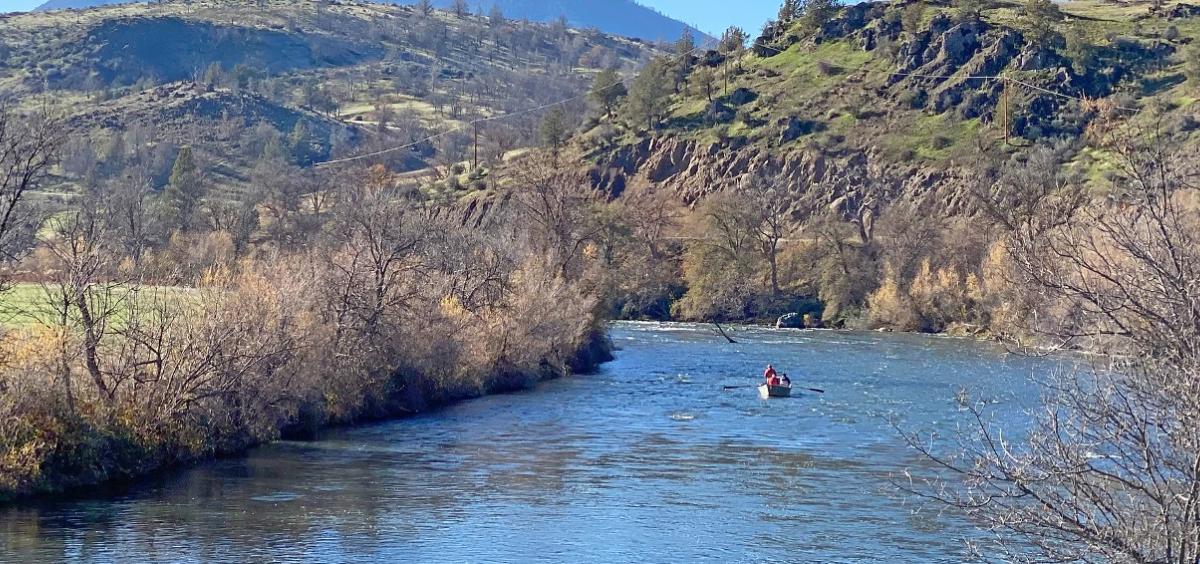
Oregon State University researchers will embark this month on a 3½-year partnership with the Yurok Tribe to study what the connections between river quality, water use and the aquatic food web will look like after four Klamath River dams are dismantled.

A new study led by a University of Idaho researcher offers high-resolution details on how Chinook salmon habitats, due to climate change, are being lost on Bear Valley Creek, a headwater stream of the Salmon River in central Idaho.

Animals that live in groups tend to be more protected from predators. That idea might be common sense, but it’s difficult to test for some species, especially for wild populations of fish that live in the ocean.

While researchers have known for years that microplastics exist in Flathead Lake, the concentrations and origins of the microplastic pollution have remained a mystery.

Using future projections of the latest generation of Earth system models, a new study found that most of the world’s ocean is steadily losing its year-to-year memory under global warming.

In the future, cameras could spot blackbirds feeding on grapes in a vineyard and launch drones to drive off the avian irritants, then return to watch for the next invading flock. All without a human nearby.

Two recreational boaters illegally approached endangered Southern Resident killer whales in rented boats last fall. They have agreed to pay fines for violating regulations that protect the whales from vessel traffic and noise.

New research led by an Oregon State University scientist provides the first long-term study of methods to control the spread of wildfire in the sagebrush steppe ecosystem that dominates parts of the western United States.

A new study provides the first direct evidence that translocations of Pacific Lamprey from lower Columbia River dams to the Snake River basin boosted larval abundance, increased juvenile production in the interior Columbia River and demonstrated successful migration to the Pacific Ocean.

Since about 1900 Washington state’s Olympic Peninsula has lost half of its glacier area and since 1980, 35 glaciers and 16 perennial snowfields have disappeared.

Pacific Northwest seafood lovers may see more Humboldt squid but less sockeye salmon on restaurant menus in the near future due to climate change.

In early September 2020, severe winds, high heat, and prolonged drought conditions led to the explosive growth of wildfires along the western slopes of the Cascades Mountains in the Pacific Northwest. The fires engulfed enormous tracts of forestland, destroyed communities, took dozen of lives, and cost hundreds of millions to fight.

Entering another spring season of Columbia River basin salmon and steelhead juveniles being moved downriver with much higher spill levels at federal hydropower dams than in the past, the monitoring of results of such operations has become difficult. Higher spill is pushing tagged smolts away from detection facilities, which creates data gaps when measuring the effectiveness of more spill for fish.

In the early morning hours of January 9, 2018, intense rainfall loosened debris and mud in the Santa Ynez mountains, in Santa Barbara County, that had been torched by the Thomas Fire just months before.

The national economy is reenergizing, quite literally. In 2021, Americans used 5% more energy than in 2020, according to the most recent energy flow charts released by Lawrence Livermore National Laboratory.

Current and former researchers with the University of Montana’s Flathead Lake Biological Station were part of a scientific team that used modern environmental sensor technology to track freshwaters vital signs in near real time.

Whales are threatened by a variety of human activities off the West Coast of the United States, including fishing, ship traffic, and pollution. Overlap between these stressors can compound effects on whale populations, but are rarely addressed by current whale-protection policies in California, according to a study from the University of California, Davis.

The people, economy, and ecosystems of the Pacific coast states of California, Oregon and Washington are highly dependent on cool-season atmospheric rivers for their annual water supply.

Even the High North can’t escape the global threat of plastic pollution.

A new report shows cooler waters on the West Coast were sandwiched between a marine heatwave and historically hot, dry conditions on land in 2021. NOAA Fisheries researchers from the Northwest and Southwest Fisheries Science Centers presented these findings to the Pacific Fishery Management Coun

A new Cornell University study finds North American white-tailed deer – shown in 2021 surveys of five states to have coronavirus infection rates of up to 40% – shed and transmit the virus for up to five days once infected.

Research on the ground following two large wildfires in California’s Sierra Nevada mountain range showed the vast majority of carbon stored in trees before the blazes was still there after the fires.

Decades of logging and fire suppression have left California’s forests prone to drought, infestation and catastrophic wildfire. Climate change is only exacerbating these impacts. But for thousands of years before, during and after European colonization, Indigenous tribes have lived within and among these forests, intentionally lighting fires to manage landscapes and ecosystem mosaics, enhance habitat, produce food and basketry materials, clear trails, reduce pests and support ceremonial practices.

Oregon State University researchers have created a tool to assess the risk of hybridization among native and non-native fish, a development that could aid natural resource managers trying to protect threatened or endangered freshwater fish species.

As the name implies, California market squid are often sold in stores and typically found between Baja California and Monterey Bay. So, the squid’s periodic appearance in the Gulf of Alaska – about 745 miles north of its expected range – has given researchers pause.

The number of hares in a forest is a good indicator of how healthy that ecosystem is — and now there’s a better way to find out.

Mountain regions have a large potential for hydropower that cannot be harnessed effectively by conventional technologies, says the International Institute for Applied Systems Analysis. IIASA researcher Julian Hunt and an international team of researchers developed an innovative hydropower technology based on electric trucks that could provide a flexible and clean solution for electricity generation in mountainous regions.

Small particles from tires inhibited the growth and caused adverse behavioral changes in organisms found in freshwater and coastal estuary ecosystems, two new Oregon State University studies found.
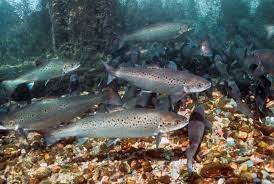
Farming Atlantic salmon requires a high volume of wild-caught fish as feed but produces only a small percentage of the world’s farmed fish supply.
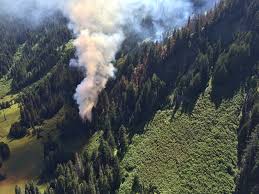
Change can be hard, especially when it involves soaring summer temperatures, mega-droughts, invasive species and other items from the list of unpleasant outcomes of climate change. In the Western U.S. where skiing, hiking, biking, hunting and other forms of outdoor recreation are core to many people’s lives, and where local economies rely on income generated by these activities, the impacts are already difficult to ignore.

A first-of-its-kind, eight-year study has found widespread and frequent lead poisoning in North American bald and golden eagles impacting both species’ populations.

Research led by Oregon State University shows that fires are more likely to burn their way into national forests than out of them.

If you are a wolf living in Yellowstone National Park, bears mess with you. They show up uninvited and steal kills from your pack. And when scavenging bears drive you away from tasty carcasses, you and your fellow wolves will – strangely enough – kill less often.

The first atlas to measure the movement and thickness of the world’s glaciers gives a clearer, but mixed picture of the globe’s ice-bound freshwater resources, according to researchers from the Institute of Environmental Geosciences and Dartmouth College.
An annual salmon survival study by the Fish Passage Center says increasing smolt-to-adult returns to recovery levels for Snake River salmon and steelhead will require breaching the Lower Snake River dams and increasing spill at lower Columbia River dams.

For the second consecutive year, Oregon and Washington are expecting a big run of eulachon into the Columbia River, and so approved a limited conservation-level commercial test fishery through February.

Hatchery-raised steelhead trout have offspring that are good at gaining size under hatchery conditions but don’t survive as well in streams as steelhead whose parents are wild fish, new research by Oregon State University shows.

A two-year study showed Idaho’s wild steelhead are caught by anglers less often than hatchery fish, and they survive at a very high rate after being caught and released.

Wild steelhead populations in the Olympic Peninsula have declined by more than half since the 1950s.

The International Year of the Salmon (IYS) and the North Pacific Anadromous Fish Commission have announced the launch of the 2022 IYS Pan-Pacific Winter High Seas Expedition supported by NPAFC member countries (Canada, Japan, the Republic of Korea, the Russian Federation, and the United States of America) and partners.

Ecologists need to understand wild animal behaviors in order to conserve species, but following animals around can be expensive, dangerous, or sometimes impossible in the case of animals that move underwater or into areas that can’t be reached easily.

It’s widely understood that animals such as salmon, butterflies and birds have an innate magnetic sense, allowing them to use the Earth’s magnetic field for navigation to places such as feeding and breeding grounds.

In a new study, University of Montana researchers found that climate change drives native trout declines by reducing stream habitat and facilitating the expansion of invasive trout species.

Like humans, wild animals often return to the same places to eat, walk on the same paths to travel and use the same places to raise their young.

NOAA Fisheries is reporting promising news for juvenile salmon – good ocean conditions existed off the West Coast of Oregon and Washington during 2021.

NOAA Fisheries five-year review of the status of Southern Resident killer whales says the species continues to face a high risk of extinction and should remain listed as endangered.

Scientists have detected infection by at least three variants of the virus that causes COVID-19 in free-ranging white-tailed deer in six northeast Ohio locations, a research team has reported.

A year ago the region’s Independent Scientific Advisory Board was tasked with reviewing four scientific issues with important implications for Columbia River basin salmon management. This week the Northwest Power and Conservation Council heard a 75-minute presentation on three of these reviews.

Retreating glaciers in the Pacific mountains of western North America could produce around 6,150 kilometers of new Pacific salmon habitat by the year 2100, according to a new study.

A great many packages of sliced and vacuum-sealed smoked salmon find their way into Danish shopping carts every year. The vast majority of this smoked salmon is sourced from Norwegian aquaculture farms.

How much and how long a severely burned Pacific Northwest mountain landscape stays blanketed in winter snow is a key factor in the return of vegetation, research by Oregon State University and the University of Nevada, Reno shows.

In California’s Sierra Nevada, western pine beetle infestations amped up by global warming were found to kill 30% more ponderosa pine trees than the beetles do under drought alone. A new supercomputer modeling study hints at the grim prospect of future catastrophic tree die-offs and offers insights for mitigating the combined risk of wildfires and insect outbreaks.

Upper Columbia River tribes laid out plans this week that will cost the region about $176 million to reintroduce salmon and steelhead upstream of federal dams. The dams have been blocking access to the fish since Grand Coulee Dam was built in 1942.
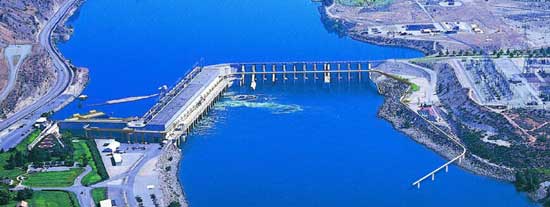
More than 94 percent of migrating juvenile yearling chinook salmon pass upper-Columbia River publicly-owned dams safely, according to two studies by two of the dams’ owners.

The most abundant anadromous fish in the Columbia River basin is not salmon, nor is it steelhead. It is non-native shad, which outnumbers the basin’s iconic species in the river by millions of fish.
Each year the Fish Passage Center produces its Comparative Survival Study, a compendium of salmon and steelhead survival and smolt-to-adult return statistics at Columbia and Snake river dams, but in general the FPC fails to say why the statistics are important and how they can be used by others in the region, according to a panel of scientists.

NOAA Administrator Rick Spinrad this week announced the breakdown of the nearly $3 billion his agency will receive under the Infrastructure Investment and Jobs Act signed Monday by President Biden.

Invasive species cause biodiversity loss and about $120 billion in annual damages in the U.S. alone. Despite plentiful evidence that invasive species can change food webs, how invaders disrupt food webs and native species over time has remained unclear.

Mountain snowpacks around the world are on the decline, and if the planet continues to warm, climate models forecast that snowpacks could shrink dramatically and possibly even disappear altogether on certain mountains, including in the western United States, at some point in the next century.
When a massive wildfire tears through a landscape, what happens to the animals?

Early fall wildfires in the western states and the smoke they generate pose a risk to birds migrating in the Pacific Flyway, according to a new study by the U.S. Geological Survey. GPS data from the 2020 wildfire season indicate that at least some migratory birds may take longer and use more energy to avoid wildfire smoke.
While most of the largest U.S. wildfires occur in the Western U.S., almost three-quarters of the smoke-related deaths and visits to the emergency room for asthma occur east of the Rocky Mountains.

Oregon State University’s Marine Mammal Institute has been awarded a $2 million grant to collect data about distribution and density of marine mammals and seabirds that will be used to inform decisions about offshore wind energy development.

A new study of the genetic profiles of wild and hatchery coho salmon demonstrates important distinctions in how the two types of fish form mating pairs.

A popular assumption that there are fewer Chinook salmon during the summer in Canadian waters for southern resident killer whales, compared to an abundance of fish for northern resident killer whales, has been challenged by a study led by scientists at the University of British Columbia.

When warmwater fish species like bass, walleye and crappie that are not native to the Pacific Northwest, but prized by some anglers, overlap with baby spring chinook salmon in reservoirs in Oregon’s Willamette River they consume more baby salmon than native predatory fish per individual, new research found.

A recent study has made a direct connection between the severity of gas bubble trauma in juvenile salmonids caused by total dissolved gas at dams and the pressure experienced in deeper water where the severity of GBT is less.

An Earthwise Knowledge Initiative Publication
