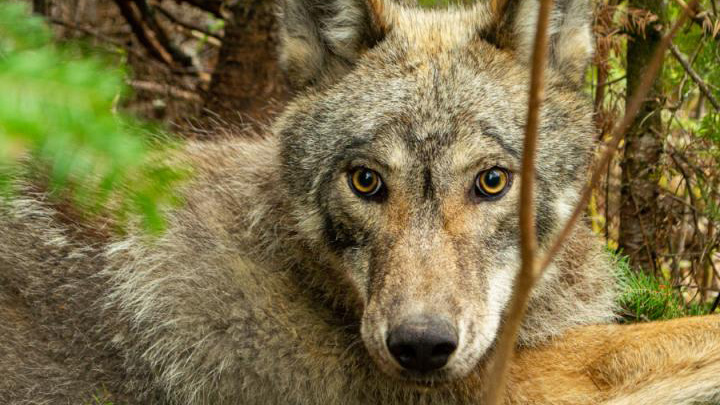
Idaho Develops New Genetics-Based Method To Count State’s Wolf Population, Replacing Camera-Based Estimates

Idaho Fish and Game researchers have developed a new genetics-based method of estimating the state’s wolf population. The method uses genetic and age information taken from every harvested wolf checked by Fish and Game.
Read the full article…

Become a Member and get unlimited access to all articles.

Register

Already a member? Log in here

Washington Predator-Prey Project’s Research Shows Wolves In NE Washington Not Having Much Impact on Deer

Humans drove wolves to extinction in Washington state around the 1930s. Thanks to conservation efforts, by about 80 years later, wolves had returned

Read the full article…

Become a Member and get unlimited access to all articles.

Register

Already a member? Log in here

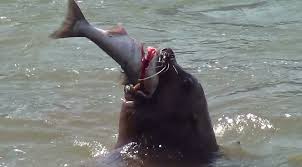
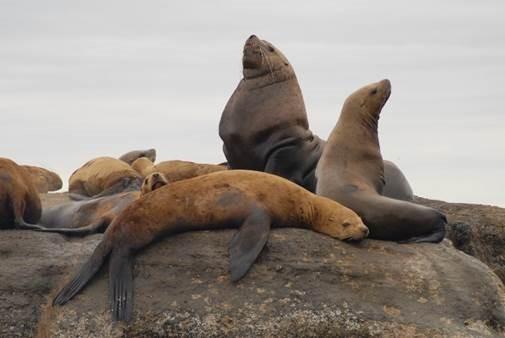
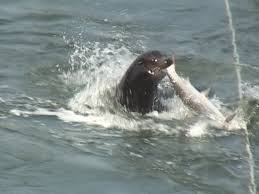
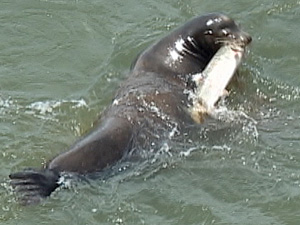
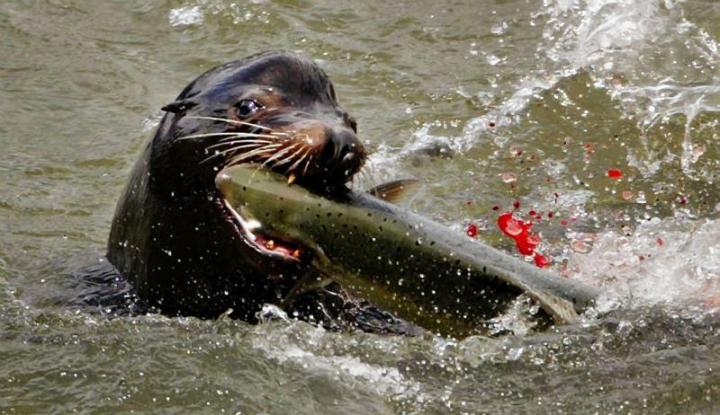
Sea Lion Trapping Begins; 2023 Pinniped Report Notes Predation Impacts To ESA Steelhead Twice As Severe Compared To Spring Chinook

As states and tribes begin trapping and euthanizing sea lions in the Columbia River near Bonneville Dam this week, the U.S. Army Corps of Engineers released its 2023 report on last year’s pinniped abundance and predation of salmon and steelhead. The report covers the period July 2022 through May 2023 and shows that the 104 sea lions observed during the 2023 reporting period is the highest since 2018, when the number was 134.

Read the full article…

Become a Member and get unlimited access to all articles.

Register

Already a member? Log in here

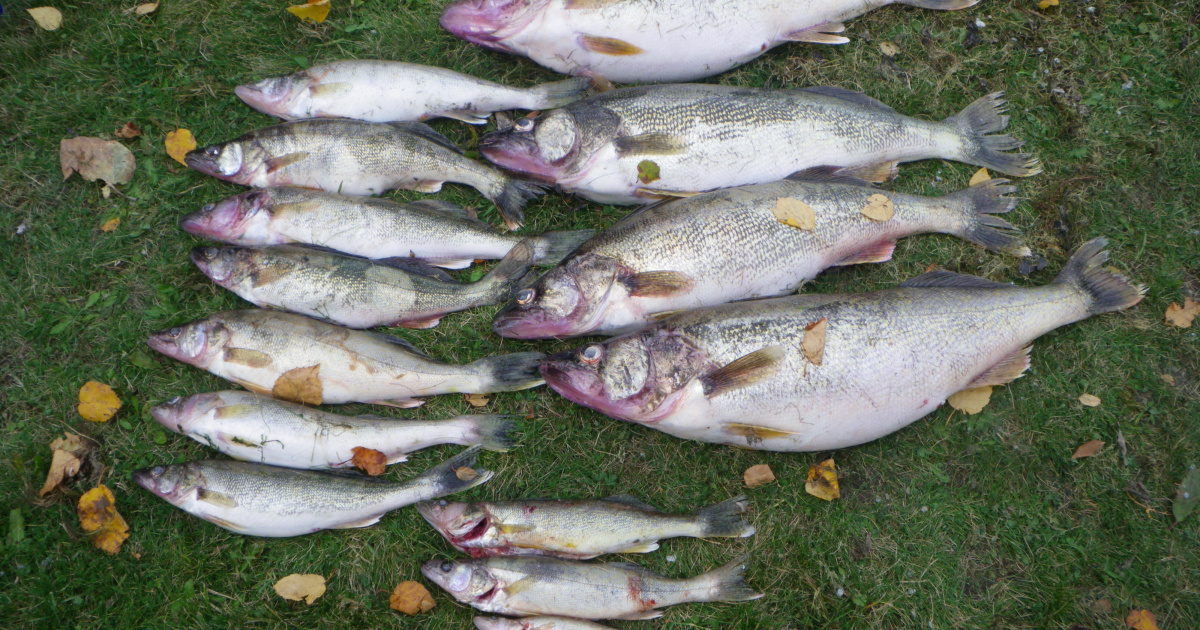
Invasive Walleye Moving Higher Into Snake River Basin, Threatening Wild, Hatchery Stocks Of Juvenile Salmon, Steelhead, Lamprey

Walleye, an invasive species with a reputation for a voracious appetite, has moved down the Columbia River from Lake Roosevelt and are now being counted in increasing numbers upstream of Lower Granite Dam on the Snake River, according to a report by the Idaho Department of Fish and Game.

Read the full article…

Become a Member and get unlimited access to all articles.

Register

Already a member? Log in here

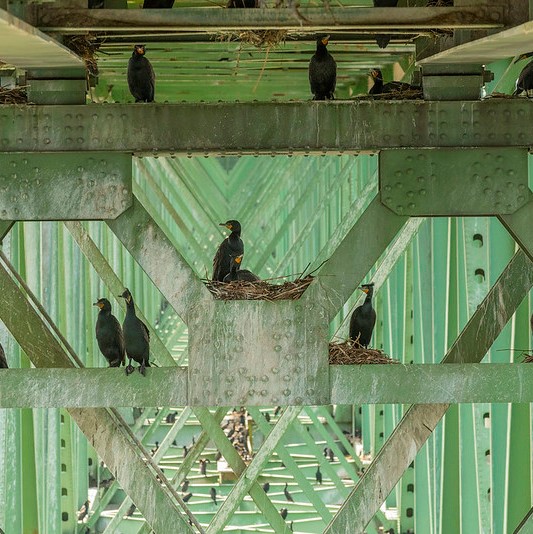
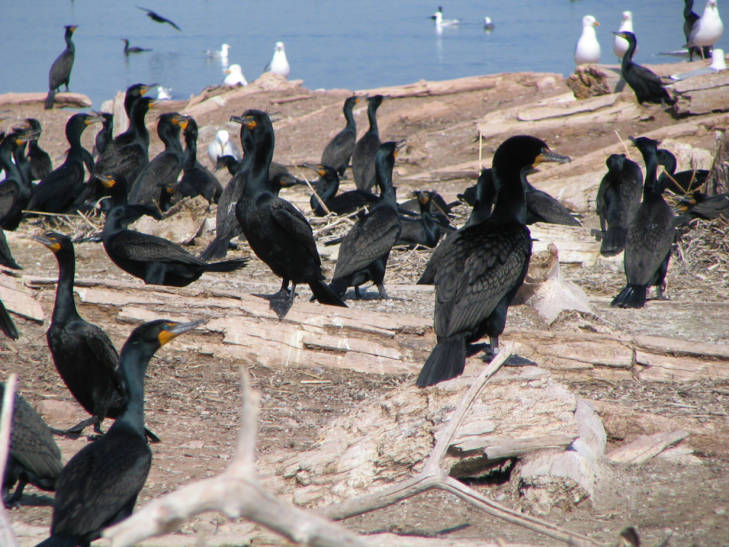
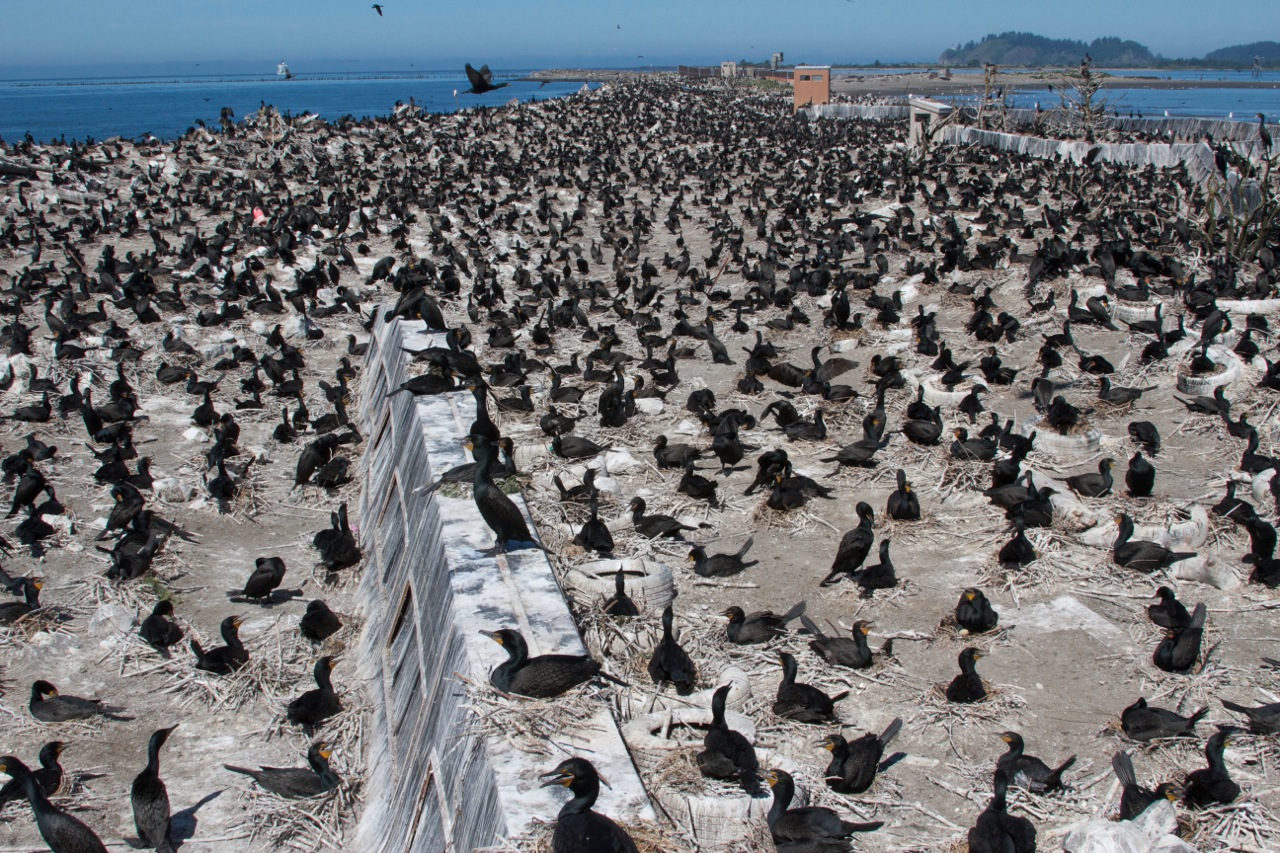
Déjà Vu: Oregon Study Says Once Again Salmon-Eating Cormorants Need To Somehow Be Relocated From Astoria Bridge Back To Estuary Island

The thousands of double-crested cormorants nesting on the 5-mile-long Astoria-Megler Bridge in the Columbia River estuary that are damaging the bridge, causing safety problems and eating more salmon and steelhead smolts must go, according to a value engineering study led by the Oregon Department of Transportation.

Read the full article…

Become a Member and get unlimited access to all articles.

Register

Already a member? Log in here

Bad News For Salmon: Walleye Spreading Into Idaho, Most Reports Ever Of Walleye Upstream Of Lower Granite Dam

Idaho Fish and Game has received more verified reports and pictures from people catching walleye in the Hells Canyon reach of the Snake River and Salmon River in 2023 than in all previous years.

Read the full article…

Become a Member and get unlimited access to all articles.

Register

Already a member? Log in here

Is A Growing American White Pelican Population In Mid-Columbia River Threat To Salmonids? Researchers Now Studying Predation Impacts

A growing American white pelican population on an island in the mid-Columbia River basin could be a new threat to salmon and steelhead. The large white birds not only scoop out batches of juvenile fish, they also have been known to eat adult salmon, including sockeye salmon and other fish as large as 29 inches.

Read the full article…

Become a Member and get unlimited access to all articles.

Register

Already a member? Log in here

More Letters, Meetings About What To Do With Salmon-Eating Cormorants On Astoria Bridge; Chase Them Back To East Sand Island? Culling?

In a January letter, the Northwest Power and Conservation Council invited Oregon and Washington transportation agencies to meet jointly to discuss their mutual problem of double-crested cormorants on the Astoria-Megler Bridge that spans the Columbia River estuary at Astoria, OR.

Read the full article…

Become a Member and get unlimited access to all articles.

Register

Already a member? Log in here

Researchers Survey Studies Of Avian Predation Of Columbia River Salmon, Steelhead; Identify Trends, Predator-Prey Dynamics, Fish Susceptibility Factors

The breeding season for avian predators, March–August, overlaps with the peak out-migration of juvenile salmon and steelhead, April — August, according to a recent survey of literature that looked specifically at peer-reviewed studies of Caspian terns, double-crested cormorants and gulls that prey on salmonids in the Columbia River basin.

Read the full article…

Become a Member and get unlimited access to all articles.

Register

Already a member? Log in here

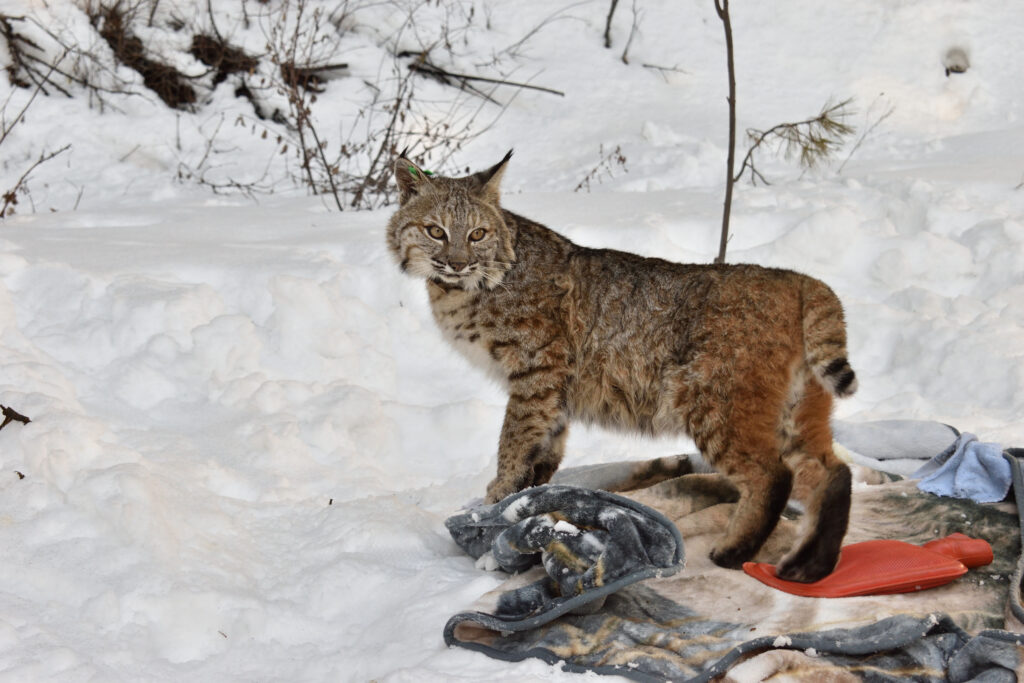
Washington Predator-Prey Project: New Research Shows Coyotes, Bobcats Move Into Human Inhabited Areas To Avoid Cougars, Wolves

Since their protection under the Endangered Species Act, wolf populations have been making a comeback in the continental United States. Conservationists have argued that the presence of wolves and other apex predators, so named because they have no known predators aside from people, can help keep smaller predator species in check.

Read the full article…

Become a Member and get unlimited access to all articles.

Register

Already a member? Log in here

Oregon Legislation Offers More Flexibility In Managing Non-Native Game Fish -Bass, Walleye- That Gobble Up Native Salmon, Steelhead Smolts

A legislative bill sitting on Oregon Gov. Tina Kotek’s desk waiting for signature would give Oregon more flexibility in managing predatory non-native game fish species –such as bass and walleye — that consume salmon and steelhead smolts in the Columbia River basin.

Read the full article…

Become a Member and get unlimited access to all articles.

Register

Already a member? Log in here

Sea Lions Chasing Good Smelt Run Flood Columbia River In High Numbers; Staying For Spring Chinook Feasting

About 200 sea lions were counted last week in the Columbia River between the I-205 Bridge and Bonneville Dam, a 36-mile stretch of river, spurring states and tribes to begin trapping and euthanizing the pinnipeds at Bonneville Dam.

Read the full article…

Become a Member and get unlimited access to all articles.

Register

Already a member? Log in here

Tribes, Corps Studying Impacts Of Sediment Buildup (Deltas) At Mouths Of Columbia River Tribs; Impacts Temps, Predation, Salmon Survival

The amount of sediment carried by Columbia River waters to the Pacific Ocean has declined by about half since Bonneville Dam was built in 1935. Much of the sediment no longer moved by the river has found a home at the mouths of tributaries, creating shallow sediment fans or deltas where warm water and predators impact juvenile salmon and steelhead, some listed under the federal Endangered Species Act.

Read the full article…

Become a Member and get unlimited access to all articles.

Register

Already a member? Log in here

Concerning Drop In White Sturgeon Abundance Prompts Fisheries Managers To Recommend No Retention Fishing Below Bonneville Dam

Oregon and Washington fishery agencies announced they will not propose commercial or recreational white sturgeon fishing this year downstream of Bonneville Dam due to a projected low abundance of legal-sized fish, according to a joint status report released this week by the states.

Read the full article…

Become a Member and get unlimited access to all articles.

Register

Already a member? Log in here

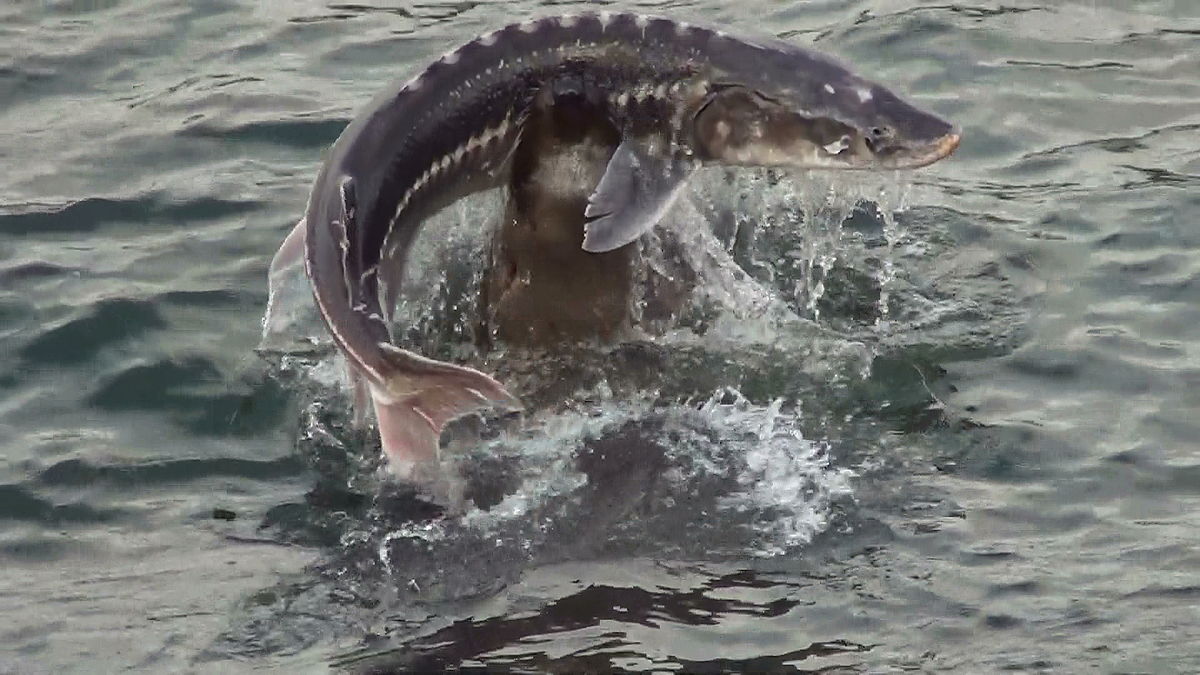
Draft Report Documents 2022 Sea Lion Fish Predation Numbers At Bonneville Dam; Notes Huge Take Of Struggling White Sturgeon

Sea lions continue taking a big bite out of spring fish runs at Bonneville Dam. More than 8 percent of winter steelhead and more than 3 percent of spring Chinook salmon were picked off by Steller and California sea lions that prey on the fish below the dam, according to a draft report by the U.S. Army Corps of Engineers.

Read the full article…

Become a Member and get unlimited access to all articles.

Register

Already a member? Log in here

Draft Report Out For Comment On Improving Flows, Water Temps In Yakima River Delta To Aid Salmon, Steelhead

In partnership with the Washington Department of Fish and Wildlife, the U.S. Army Corps of Engineers is looking for public feedback on a draft report studying proposed next steps to restore flows for fish in the Yakima River delta.

Read the full article…

Become a Member and get unlimited access to all articles.

Register

Already a member? Log in here

Council Reaches Out To State Agencies To Discuss ‘Alarming Conclusions’ Of Study Detailing Impacts To Salmon From Cormorants On Astoria Bridge

The Northwest Power and Conservation Council has asked the owner of the Astoria-Megler Bridge in Astoria to meet with them to talk about the double-crested cormorant problem in the Columbia River estuary.

Read the full article…

Become a Member and get unlimited access to all articles.

Register

Already a member? Log in here

How Much Are Sea Lions, Seals Contributing To Salmon Decline In Washington Waters? Will Require Targeted Lethal Removal To Find Out

There is a “preponderance” of evidence that sea lions and seals (pinnipeds) in Washington’s Salish Sea and outer coast have contributed to the decline of salmon and steelhead in state waters, concludes a recent report by the Washington State Academy of Sciences.

Read the full article…

Become a Member and get unlimited access to all articles.

Register

Already a member? Log in here

BPA Dishes Out $1.3 Million To Anglers For Reeling In 140,000 Northern Pikeminnow In Columbia/Snake Rivers; Top Angler, $69,000 For 7,000 fish

In 2022, anglers caught and removed more than 140,000 northern pikeminnow from the Columbia and Snake rivers, which the Bonneville Power Administration says is protecting hundreds of thousands of young salmon and steelhead from predation.

Read the full article…

Become a Member and get unlimited access to all articles.

Register

Already a member? Log in here

Pinniped Removal At Willamette Falls Drops Extinction Risk For Wild Winter Steelhead; 376 Sea Lions Euthanized On Columbia, Willamette Since 2008

A program that has lethally removed sea lions from sections of the Columbia River and at Willamette Falls since 2008 is saving thousands of salmon and steelhead, many listed under the federal Endangered Species Act. The program is significantly dropping the risk of extinction for wild winter steelhead in the Willamette River, according to biologists.

Read the full article…

Become a Member and get unlimited access to all articles.

Register

Already a member? Log in here

Where To Put The Birds? Research Says Cormorants Chased Off Columbia River Estuary Island Eat Far More Salmon, Steelhead Upstream

Double-crested cormorants will eat many times more salmon and steelhead per bird as a proportion of their diet the farther they are pushed upstream in the Columbia River estuary, according to a presentation this week at the Northwest Power and Conservation Council’s Fish and Wildlife Committee meeting.

Read the full article…

Become a Member and get unlimited access to all articles.

Register

Already a member? Log in here

Efforts Under NOAA Permit To Remove, Euthanize Salmon-Eating Sea Lions In Columbia, Willamette Rivers Showing Promising Results

A recent report on pinniped predation shows that the presence of California sea lions at Bonneville Dam has declined significantly since 2015 when 195 of the marine mammals were observed by the U.S. Army Corps of Engineers in the dam’s tailraces. The number in 2021 was just 24.

Read the full article…

Become a Member and get unlimited access to all articles.

Register

Already a member? Log in here

Bursting Myths, Wishful Thinking Over Allowing Wolves To Return To Traditional Landscapes

In a new finding that goes against current conservation paradigms, re-introducing wolves and other predators to our landscapes does not miraculously reduce deer populations, restore degraded ecosystems or significantly threaten livestock, according to a new study.

Read the full article…

Become a Member and get unlimited access to all articles.

Register

Already a member? Log in here

Salmon Predation In The North Pacific: UW Study Shows How Salmon Group Size Affects Predation Risk, Foraging Success

Animals that live in groups tend to be more protected from predators. That idea might be common sense, but it’s difficult to test for some species, especially for wild populations of fish that live in the ocean.

Read the full article…

Become a Member and get unlimited access to all articles.

Register

Already a member? Log in here

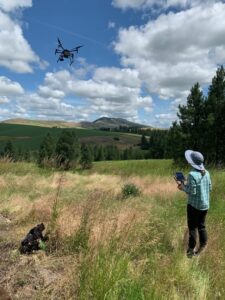
WSU Researchers Develop Drone System To Chase Off Pest Birds: ‘We Could Make Drones Look Like Predators’

In the future, cameras could spot blackbirds feeding on grapes in a vineyard and launch drones to drive off the avian irritants, then return to watch for the next invading flock. All without a human nearby.

Read the full article…

Become a Member and get unlimited access to all articles.

Register

Already a member? Log in here

Whack-A-Mole: Agency That Chased Salmon-Eating Cormorants Off Estuary Island Now Hazing Re-Located Birds On Astoria Bridge Over Columbia River

The same federal agency that previously had hazed and culled Caspian terns and double-crested cormorants at East Sand Island in the lower Columbia River estuary in order to reduce predation on salmon and steelhead smolts is now hazing cormorants nesting on the Astoria-Megler Bridge six miles upstream.

Read the full article…

Become a Member and get unlimited access to all articles.

Register

Already a member? Log in here

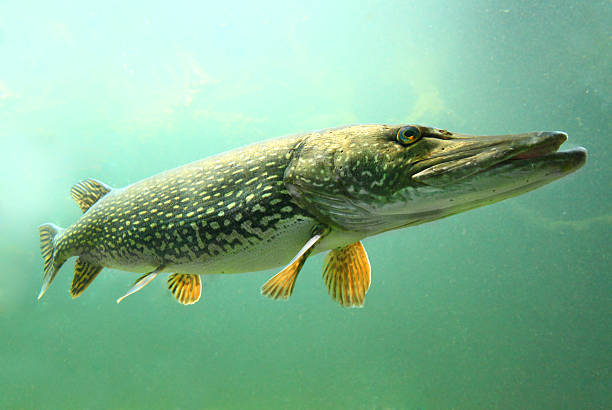
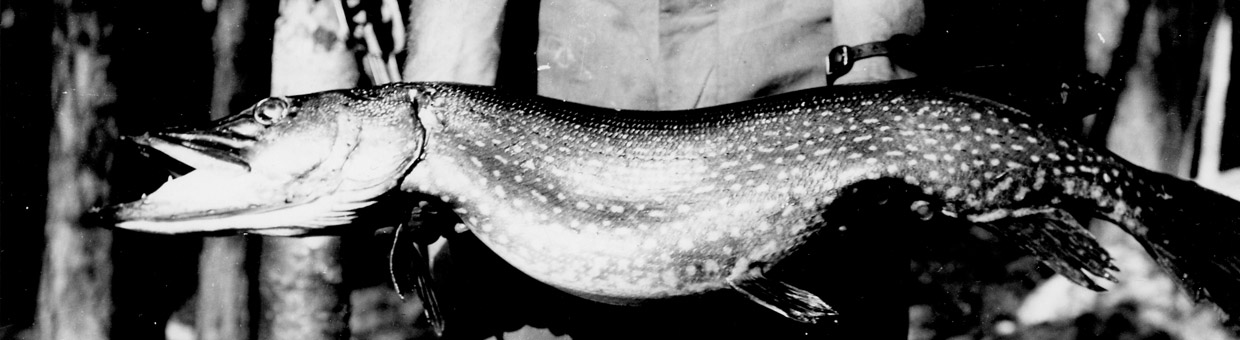
Suppression Of Northern Pike In Lake Roosevelt Showing Much Success; Goal Is To Reduce Population To ‘Almost Undetectable Levels’

An effort by tribes, the state of Washington and federal agencies to suppress or eradicate invasive Northern Pike is bearing fruit in Lake Roosevelt, the reservoir behind Grand Coulee Dam, according to an update by biologists at this week’s meeting of the Northwest Power and Conservation Council’s Fish and Wildlife Committee.
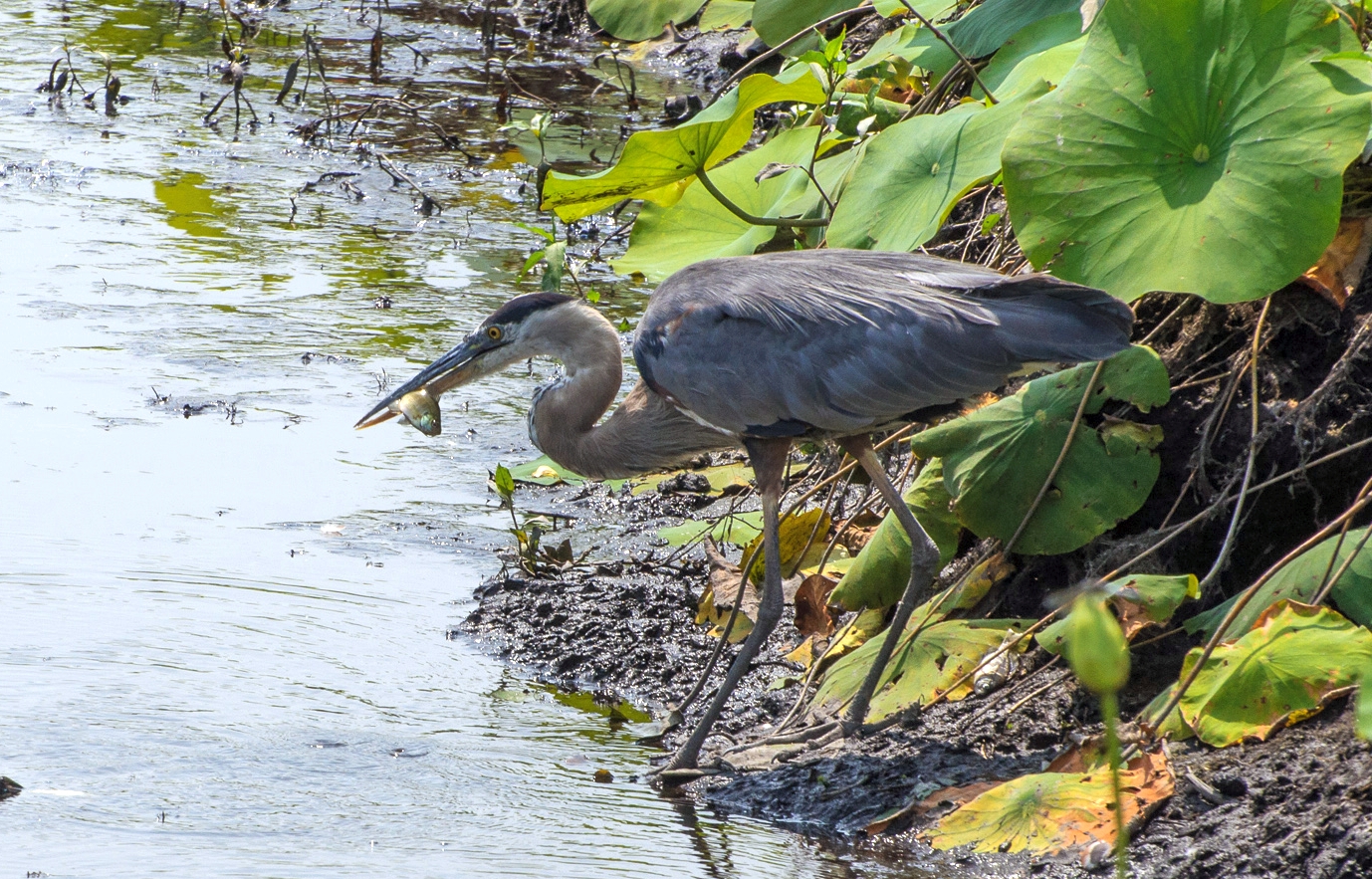
Read the full article…

Become a Member and get unlimited access to all articles.
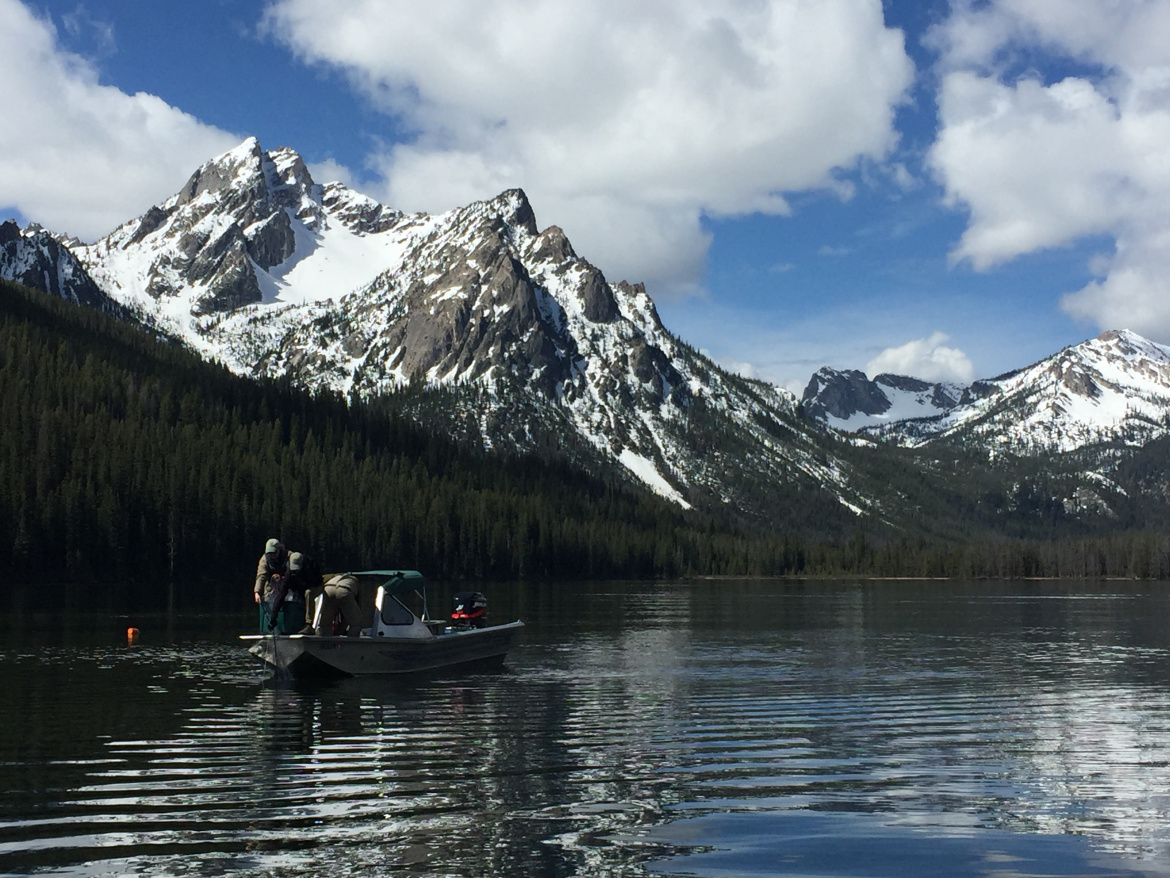
Register

Already a member? Log in here

European Green Crab Invasion In Washington Worsens: Researchers Using E-DNA To Contain, Prevent New Outbreaks

European green crabs feast on shellfish, destroy marsh habitats by burrowing in the mud and obliterate valuable seagrass beds. The invasive species also reproduces quickly, making it a nightmare for wildlife managers seeking to control its spread in Washington’s marine waters.

Read the full article…

Become a Member and get unlimited access to all articles.

Register

Already a member? Log in here

Task Force Considers Sea Lion Removal At Bonneville Dam A Success; In 15 Years 214 Euthanized, 56,000 Salmon/Steelhead Avoid Predation

NOAA Fisheries and its Pinniped Task Force closed a chapter of its program to lethally remove California sea lions from Bonneville Dam. Determining that the removal of the sea lions saved nearly 56,000 adult salmon and steelhead, the Task Force called the 15-year effort a success.

Read the full article…

Become a Member and get unlimited access to all articles.

Register

Already a member? Log in here

Montana Study Shows Climate Change, Invasive Species Driving Widespread Declines of Native Trout In Northern Rockies

In a new study, University of Montana researchers found that climate change drives native trout declines by reducing stream habitat and facilitating the expansion of invasive trout species.

Read the full article…

Become a Member and get unlimited access to all articles.

Register

Already a member? Log in here

Report: 76 Salmon-Eating California Sea Lions Lethally Removed At Bonneville Dam Over Five-Year Period, Non-Lethal Hazing Ineffective

Northwest states euthanized some 76 fish-eating California sea lions at Bonneville Dam over a five-year period through June 30, 2021, according to a recent report from the states to the National Marine Fisheries Service.

Read the full article…

Become a Member and get unlimited access to all articles.

Register

Already a member? Log in here

Montana Study Reveals How Invasive Species Over Time Disrupt Native Species’ Food Webs; Lake Trout Vs. Bull Trout

Invasive species cause biodiversity loss and about $120 billion in annual damages in the U.S. alone. Despite plentiful evidence that invasive species can change food webs, how invaders disrupt food webs and native species over time has remained unclear.

Read the full article…

Become a Member and get unlimited access to all articles.

Register

Already a member? Log in here

Study Analyzes Non-Native Warmwater Fish Consumption Of Juvenile Salmon In Reservoirs; Walleye Predation Much Higher Than Native Pikeminnow

When warmwater fish species like bass, walleye and crappie that are not native to the Pacific Northwest, but prized by some anglers, overlap with baby spring chinook salmon in reservoirs in Oregon’s Willamette River they consume more baby salmon than native predatory fish per individual, new research found.

Read the full article…

Become a Member and get unlimited access to all articles.

Register

Already a member? Log in here

Sea Lion Removal Over Until Fall Chinook Return; Under New Rules Biologists Removed 33 Pinnipeds At Bonneville Dam, 9 At Willamette Falls

At the end of the first spring in which biologists have been allowed by federal permit to lethally remove both California and Steller sea lions in the Columbia and lower Willamette rivers, fisheries biologists have stopped the removal activity as sea lions have left Bonneville Dam and both rivers for coastal rockeries.

Read the full article…

Become a Member and get unlimited access to all articles.

Register

Already a member? Log in here

Evaluating Avian Predation Research: Science Panel Seeks Further Analysis On Effectiveness Of Bird Control Measures Aimed At Boosting Steelhead Survival

The Independent Scientific Advisory Board has released an analysis of two studies offering differing views on the effectiveness of avian predation control measures in the Columbia River basin. The scientists say further comparative research is needed to determine if hazing and killing terns and cormorants are boosting steelhead smolt-to-adult returns.

Read the full article…

Become a Member and get unlimited access to all articles.

Register

Already a member? Log in here

WDFW Taking Comment On Recommendation To Keep Unlisted Status For Steller Sea Lions; 18,000 Animals In 1979 To 71,000

The Washington Department of Fish and Wildlife is taking public input on its state status review for Steller sea lions.

Read the full article…

Become a Member and get unlimited access to all articles.

Register

Already a member? Log in here

Managing Lake Pend Oreille Fisheries: 240,000 Non-Native Lake Trout Removed Since 2006, Walleye Now Targeted

On the heels of a successful and significant reduction of lake trout in Lake Pend Oreille, Idaho is now using some of the same methods – gillnetting and an angler rewards program – it used to fight lake trout in a new effort to reduce the population of invasive walleye in the lake.

Read the full article…

Become a Member and get unlimited access to all articles.

Register

Already a member? Log in here

Why Are Alaska’s Returning Chinook Salmon Getting Smaller, Younger? Study Suggest Marine Predators Target Bigger Fish

Older Chinook salmon may die in the ocean more often than previously thought, according to a life cycle simulation created by Alaska researchers.

Read the full article…

Become a Member and get unlimited access to all articles.

Register

Already a member? Log in here

2020 Draft Pinniped Predation Report: Steller Sea Lions At Bonneville Dam Taking Big Whack Out Of Steelhead, Sturgeon

During the fall 2019 and spring 2020 monitoring seasons at Bonneville Dam, sea lions continued to prey on salmon, steelhead and sturgeon, but the proportion of California sea lions is continuing to drop while that of steller sea lions continues to rise, according to a draft annual pinniped report by the U.S. Army Corps of Engineers.

Read the full article…

Become a Member and get unlimited access to all articles.

Register

Already a member? Log in here

Study Shows Avian Predation On Salmon Smolts In Columbia River Plume Higher With Turbidity, Smaller Plume, Fewer Forage Fish

Juvenile salmon run the gamut of predators – birds, other fish and pinnipeds – as they migrate from their rearing grounds far upstream in the Columbia River basin all the way to the ocean, but they also are confronted with predators as they enter the ocean.

Read the full article…

Become a Member and get unlimited access to all articles.

Register

Already a member? Log in here

Precautionary Tale On Eradicating Invasive Species: ‘Don’t Try To Get Them All, Or Could Come Back To Bite You’

Some invasive species targeted for total eradication bounce back with a vengeance, especially in aquatic systems, finds a study led by the University of California, Davis.

Read the full article…

Become a Member and get unlimited access to all articles.

Register

Already a member? Log in here

UBC Study Shows Blue Herons As Significant Source Of Juvenile Salmon Predation; Taking Out Fish Destined To Die Somewhere Else?

Pacific great blue herons could be scooping up as many as three percent of all juvenile salmon in the Salish Sea region and as many as six percent in some years with low water flow, according to a new University of British Columbia study.

Read the full article…

Become a Member and get unlimited access to all articles.

Register

Already a member? Log in here

Despite Covid-19 Challenges, BPA Says Pikeminnow Reward Program Met Removal Goals, Though Harvest 70,000 Fish Below Average

The Bonneville Power Administration reports that in 2020, for the 23rd consecutive season, the Northern Pikeminnow Sport Reward Program met its annual goal to remove 10% to 20% of pikeminnow, 9 inches or longer, in the Columbia and Snake rivers that prey on juvenile salmon and steelhead. Due to Covid-19, however, catch numbers were far below average.

Read the full article…

Become a Member and get unlimited access to all articles.

Register

Already a member? Log in here

Idaho’s ‘Salmon Workgroup’ Submits Policy Recommendations To Governor; No Consensus On Dam-Breaching

The state of Idaho’s “Salmon Workgroup” last week released a final report that includes policy recommendations for Gov. Brad Little to consider that aim “to restore abundant, sustainable, and well distributed populations of salmon and steelhead in Idaho for present and future generations, while recognizing diverse interests throughout the State.”

Read the full article…

Become a Member and get unlimited access to all articles.

Register

Already a member? Log in here

USFWS Issues Final Rule Expanding Ability For States,Tribes To Lethally Take Cormorants Feasting On Fish

The U.S. Fish and Wildlife Service has issued the final rule and final environmental impact statement to “responsibly manage conflicts associated with double-crested cormorants” in the United States.

Read the full article…

Become a Member and get unlimited access to all articles.

Register

Already a member? Log in here

UW/NOAA Study Shows Earliest Arriving Spring Chinook Hit Hardest By Sea Lion Predation In Lower Columbia

A new University of Washington and NOAA Fisheries study found that sea lions have the largest negative effect on early-arriving endangered chinook salmon in the lower Columbia River.

Read the full article…

Become a Member and get unlimited access to all articles.

Register

Already a member? Log in here

Trapping, Removing Larger Salmon-Eating Steller Sea Lions ( 2500 lbs) For First Time Requires Larger Barge, Cages; BPA Says Funding Approved, Still Need Building

Confronted with trapping and euthanizing salmon-eating sea lions that are sometimes twice the size of California sea lions, states and tribes are upgrading equipment and procedures to begin capturing the larger Steller sea lions in the Bonneville Dam tailrace and at Willamette Falls, and eventually in Columbia River tributaries.

Read the full article…

Become a Member and get unlimited access to all articles.

Register

Already a member? Log in here

Ecosystem Modeling: NOAA Predator-Prey Study Looks Simultaneously At Feeding Patterns Among Different Groups Predatory Fish

Scientists at the NOAA Northeast Fisheries Science Center have developed an unusually rich picture of who is eating whom off the Northeastern United States.

Read the full article…

Become a Member and get unlimited access to all articles.

Register

Already a member? Log in here

Sea Lion Removal In Columbia/Willamette River To Restart In October Under New Rules: Now Includes Stellers, Area- Based Rather Than Individual Animal

Sea lion removal at Bonneville Dam and Willamette Falls will restart in October, but with a twist that allows tribes and states to capture and euthanize far more sea lions, including both California and Steller sea lions, and to target sea lions in the lower Willamette River and from the I-205 bridge on the Columbia River upstream to McNary Dam, as well as the river’s tributaries.

Read the full article…

Become a Member and get unlimited access to all articles.

Register

Already a member? Log in here

Due To COVID-19, BPA’s Northern Pikeminnow Reward Program On Track For Lowest Harvest On Record; Season Extended, Bounty Payments Increased

Likely due to the Covid-19 pandemic, and recent smokey skies, the number of anglers this year participating in the Northern Pikeminnow Sport Reward Program is down 28 percent from this time last year. Currently, the 2020 harvest of northern pikeminnow on the Columbia and Snake rivers is on track to be the lowest on record.

Read the full article…

Become a Member and get unlimited access to all articles.

Register

Already a member? Log in here

Key Avian Predation Management Question: Is Steelhead Mortality Due To Terns, Cormorants Additive Or Compensatory?

The fish-eating sea birds on East Sand Island in the Columbia River estuary have been the target of management actions to reduce the number of double-crested cormorants and Caspian terns since the middle of the last decade.

Read the full article…

Become a Member and get unlimited access to all articles.

Register

Already a member? Log in here

Science Panel Suggests Task Force As Focal Point For Battling ‘Inevitable’ Spread Of Northern Pike In Columbia River Basin

An independent science panel has suggested the creation of a regional task force to be the focal point for efforts to battle the spread of northern pike when the voracious predator “inevitably” spreads in the Columbia River downstream from Grand Coulee and Chief Joseph dams.

Read the full article…

Become a Member and get unlimited access to all articles.

Register

Already a member? Log in here

Looking For Sources Of Imnaha River Steelhead Mortality, A Discovery: Huge Numbers Of PIT-Tags At Great Blue Heron Rookery

To get a better idea of how much predation plays in steelhead populations, a couple of Nez Perce Tribe Fisheries biologists began looking for clues at a heron rookery on northeast Oregon’s Wallowa River.

Read the full article…

Become a Member and get unlimited access to all articles.

Register

Already a member? Log in here

GUEST COLUMN: Well-Planned Efforts To Reduce Cormorant Impacts On Columbia River Basin Salmonids Can Be Developed

Last month, the Columbia Basin Bulletin published an article about the recent U.S. Fish and Wildlife Service proposed rule and draft environmental impact statement related to management of double-crested cormorants.

Read the full article…

Become a Member and get unlimited access to all articles.

Register

Already a member? Log in here

Researchers Quantify Relationship Between Caspian Tern Predation Rates On Upper Columbia River Juvenile Steelhead And Returning Adult Fish

Caspian tern predation on steelhead smolts in the Columbia River has reduced the size of the juvenile migration by more than 20 percent each year also has reduced the number of adult steelhead that return to the river several years later.

Read the full article…

Become a Member and get unlimited access to all articles.

Register

Already a member? Log in here

USFWS Proposes New Rule For Killing Fish-Eating Cormorants; Would Allow Major Increase In Allowable Take On West Coast

The federal agency responsible for protecting sea birds under the Migratory Bird Treaty Act is instead proposing to “responsibly manage” double-crested cormorants across the nation by permitting lethal taking of birds that eat fish, such as salmon and steelhead smolts, by states and tribes.

Read the full article…

Become a Member and get unlimited access to all articles.

Register

Already a member? Log in here

Lake Pend Oreille Sees Highest Kokanee Density In Two Decades, Over 2.5 Million Fish; Low Point 10,000 Fish In 2007

Fisheries researchers estimated that over 2.5 million adult kokanee occupied Lake Pend Oreille in the fall of 2019. This is the highest count on record since the mid-1990’s. As summer heats up, reports are starting to roll in that anglers are reaping the benefits of a highly abundant kokanee population.

Read the full article…

Become a Member and get unlimited access to all articles.

Register

Already a member? Log in here

Lake Trout Being Netted In Idaho’s Stanley Lake To Reduce Predation Risk For Kokanee, Snake River Sockeye

Idaho Fish and Game has contracted with a company to net lake trout in Stanley Lake during two-weeks in early June to reduce their population and reduce risk to endangered sockeye salmon populations. After the netting, sterile lake trout will be restocked in the summer and fall to continue to provide anglers a lake trout fishery at Stanley Lake.

Read the full article…

Become a Member and get unlimited access to all articles.

Register

Already a member? Log in here

2019 Pinniped Predation Report: Sea Lions Take 3.3 Percent Of Salmon/Steelhead Run January Through May, Big Hit On Winter Steelhead

Sea lions bit out a big chunk of the spring salmon and steelhead run in 2019, taking 3.3 percent of the fish passing Bonneville Dam, January through May.

Read the full article…

Become a Member and get unlimited access to all articles.

Register

Already a member? Log in here

23-Member Task Force Set To Meet To Consider Recommendations For Expanding Lethal Removal Of Sea Lions In Columbia River, Tributaries

On May 12-14, NOAA Fisheries will convene a task force to make recommendations on the proposal to expand the lethal take of sea lions in the Columbia River basin. The sea lions have had a significant negative impact on salmon and steelhead listed under the Endangered Species Act, and they also consume species of concern — lamprey and sturgeon.

Read the full article…

Become a Member and get unlimited access to all articles.

Register

Already a member? Log in here

California Study On Active Predator Removal Shows No Changes In Predation Rates On Juvenile Salmon

A recent study found that active removal of predators in the San Joaquin-Sacramento Delta in California as a way to protect a native and imperiled species may not get the intended results.

Read the full article…

Become a Member and get unlimited access to all articles.

Register

Already a member? Log in here

New Avian Predation Plan Needed? Tribes Say Simply Moving Birds Around A Whack-A-Mole Exercise

In 2015, nearly half of steelhead smolts that began their journey to the ocean at Rock Island Dam on the upper Columbia River did not survive the onslaught of birds that feed on the smolts along the way, according to Blaine Parker, avian predation coordinator at the Columbia River Inter-Tribal Fish Commission.

Read the full article…

Become a Member and get unlimited access to all articles.

Register

Already a member? Log in here

Nearly 13,000 Pike Removed From Lake Roosevelt Since 2015, 3,658 Last Year; Co-Managers Report Funding Shortfalls To Maintain Effort

Since 2015, when the efforts to suppress or eradicate non-native northern pike from Lake Roosevelt began, nearly 13,000 of the voracious fish have been removed from the huge reservoir that backs up behind Grand Coulee Dam on the upper Columbia River.

Read the full article…

Become a Member and get unlimited access to all articles.

Register

Already a member? Log in here

Army Corps Using Laser At McNary Dam To Discourage Avian Predation On Juvenile Salmon

In an effort to discourage birds from snatching up juvenile salmon below McNary Dam, the U.S. Army Corps of Engineers Walla Walla District has bought a laser.

Read the full article…

Become a Member and get unlimited access to all articles.

Register

Already a member? Log in here

Efforts On Early Detection Monitoring Of Invasive Species – Mussels, Pike — In Washington State Detailed; Environmental DNA Major Tool

Two different anglers on two different waterbodies, but both in the anadromous zone of the Columbia River basin and both on the same day – July 17, 2017 – say they saw one of the most feared invasive predators in the basin, a northern pike. But, their alleged sightings were quickly debunked … by science.

Read the full article…

Become a Member and get unlimited access to all articles.

Register

Already a member? Log in here

Washington Moves Pike To Most Unwanted Invasive Species List; Would Allow Governor To Declare Emergency

Northern pike were promoted to a short list of the most unwanted invasive species in the state of Washington on Friday by the state’s Fish and Wildlife Commission.

Read the full article…

Become a Member and get unlimited access to all articles.

Register

Already a member? Log in here

Review Of Avian Predation Management; Efforts Coming Up Short On Goals As Harassed Birds Relocate

For the most part, the double-crested cormorants that abandoned one of the largest cormorant colonies in the world, located at East Sand Island in the lower Columbia River estuary, simply moved a couple of miles upstream to the Astoria-Megler Bridge, according to a study in process.

Read the full article…

Become a Member and get unlimited access to all articles.

Register

Already a member? Log in here

Fight Against Pike: Washington FW Commission Considers Raising Threat Level, Would Allow Emergency Declaration If Found Below Grand Coulee

As efforts continue to curb the proliferation of northern pike in the Columbia River Basin, the state of Washington and co-management agencies are pursuing additional funding and flexibility to respond to the voracious predators entering the “anadromous zone” downstream from Grand Coulee Dam.

Read the full article…

Become a Member and get unlimited access to all articles.

Register

Already a member? Log in here

NOAA Releases For Comment Draft Plan To Kill More Than 400 Sea Lions In Columbia River To Reduce Predation

NOAA Fisheries has released a draft plan for public comment to remove and kill as many as 416 California and Steller sea lions each year in a 180 mile stretch of the Columbia River from just downstream of Bonneville Dam at river mile 112 upstream to McNary Dam at river mile 292.

Read the full article…

Become a Member and get unlimited access to all articles.

Register

Already a member? Log in here

PUDs, Tribes Asking For Help From Anglers In Reducing Northern Pike Numbers Above Grand Coulee; $10 For Every Pike Head

The Grant, Chelan and Douglas Public Utility Districts are contributing to an effort by tribes and state agencies to control Northern Pike, a voracious predator that, if not contained, could set back decades of salmon recovery efforts across the Pacific Northwest.

Read the full article…

Become a Member and get unlimited access to all articles.

Register

Already a member? Log in here

No Observed Cormorant Breeding Pairs On Estuary Island, Plenty of Birds On Lower Columbia Bridge

The goal at East Sand Island in the lower Columbia River estuary is to limit the number of double-crested cormorants nesting on the island to 5,600 breeding pairs to limit the birds’ impacts on juvenile salmon and steelhead, according to Jeffery Henon, spokesperson for the U.S. Army Corps of Engineers.

Read the full article…

Become a Member and get unlimited access to all articles.

Register

Already a member? Log in here

Spring Season’s Last Sea Lion Predation Report: In May, Steller Numbers At Bonneville Dam Similar To Last Year, California Sea Lions Way Down

The number of the larger steller sea lions searching for dinner in the Bonneville Dam tailrace was about the same for May this year as the numbers observed last year in May. However, the number of California sea lions has dropped this year.

Read the full article…

Become a Member and get unlimited access to all articles.

Register

Already a member? Log in here

States, Tribes Seek NOAA Permit To Expand Lethal Removal Of Sea Lions From Columbia River, Tributaries; Could Allow Euthanizing Up To 400 Animals Feeding On ESA Salmon, Sturgeon

With the growing worry about sea lion predation – both California and steller – on Endangered Species Act-listed salmon and steelhead in the Columbia River basin, three states and four Native American Tribes applied last week to NOAA Fisheries to lethally remove as many as 286 California and 130 steller sea lions from the river and some tributaries.

Read the full article…

Become a Member and get unlimited access to all articles.

Register

Already a member? Log in here

Quantifying Economic Costs Of Northern Pike Invasion; ‘Would Require Large-Scale Ecological-Economic Exercise’

Economists tasked with quantifying the costs of suppressing invasive northern pike in Lake Roosevelt as well as the costs to the region if the pike escaped Grand Coulee Dam and migrated downstream, risking recovery of the Columbia River basin’s threatened and endangered salmon and steelhead, indicated at a Northwest Power and Conservation Council meeting this week that available data is too sparse to adequately answer the questions.

Read the full article…

Become a Member and get unlimited access to all articles.

Register

Already a member? Log in here

The Pike Danger: Will Economic Impact Report Light A Fire On Suppression Efforts?

A highly anticipated economics report on the impacts of northern pike in the Columbia River Basin will get a rollout next week before the Northwest Power and Conservation Council in Portland.

Read the full article…

Become a Member and get unlimited access to all articles.

Register

Already a member? Log in here

Oregon Removes, Euthanizes 33 California Sea Lions At Willamette Falls; Wild Winter Steelhead Run Up Considerably

The Oregon Department of Fish and Wildlife was permitted by NOAA Fisheries in November 2018 to remove and euthanize up to 93 California sea lions at Willamette Falls to protect wild runs of spring chinook and winter steelhead transiting the Falls. Both species are listed as threatened under the federal Endangered Species Act.

Read the full article…

Become a Member and get unlimited access to all articles.

Register

Already a member? Log in here

Salmon Predation Questions: Scientists Say Inevitable Voracious, Invasive Pike Will Move Downstream Of Grand Coulee

Washington tribes and state government first detected the presence of northern pike in Lake Roosevelt, the huge reservoir created by Grand Coulee Dam, in 2007 and have ramped up suppression efforts in the lake since 2014.

Read the full article…

Become a Member and get unlimited access to all articles.

Register

Already a member? Log in here

Corps March Pinniped Report: Sea Lion Numbers At Bonneville Dam Below 10-Year Average

The number of sea lions observed at Bonneville Dam in March was below the 10-year average and spring chinook salmon and steelhead, the fish sea lions like to feast on during the spring at the dam, were also far below average

Read the full article…

Become a Member and get unlimited access to all articles.

Register

Already a member? Log in here
© Copyright 1997- 2026 Columbia Basin Bulletin. All rights reserved.